
Flash floods kill 17 in Afghanistan as heavy rains end prolonged dry spell
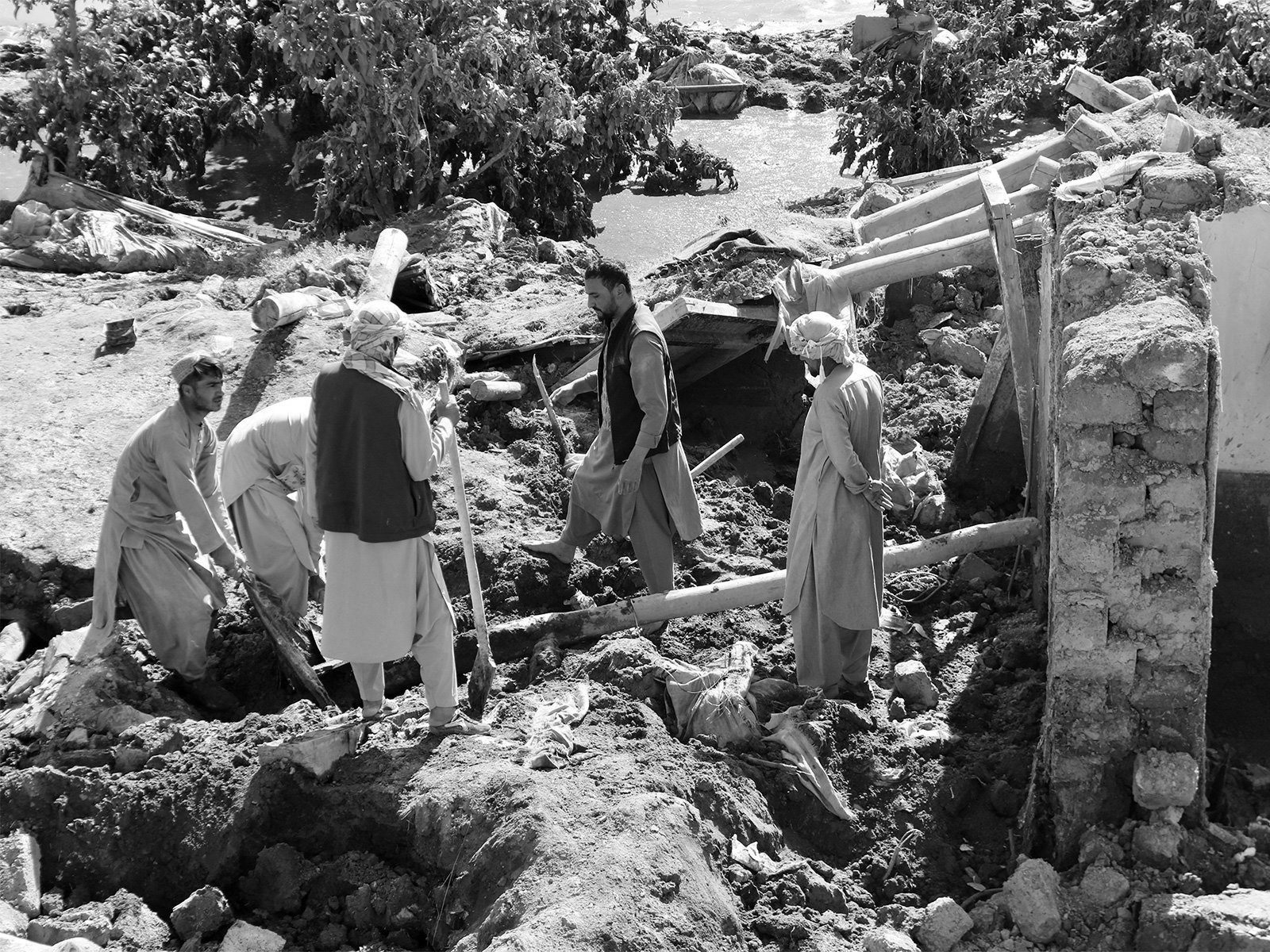
The season’s first heavy rains and snowfall brought relief from a prolonged dry spell in Afghanistan but also unleashed deadly flash floods across several regions, killing at least 17 people and injuring 11 others, according to the National Disaster Management Authority (NDMA) .
Most of the casualties have been reported since Monday in flood-hit districts across central, northern, southern and western Afghanistan. Officials said the sudden downpours caused rivers and seasonal streams to overflow, damaging homes, infrastructure and livelihoods.
In Herat province , five members of a family were killed when the roof of their house collapsed in Kabkan district on Thursday, said Mohammad Yousaf Saeedi, spokesperson for the Herat governor. Two of the victims were children. The house, like many in rural Afghanistan, was constructed from mud, making it particularly vulnerable to intense rainfall.
NDMA spokesperson Mohammad Yousaf Hammad said the floods have affected nearly 1,800 families , killed livestock and damaged roads, irrigation systems and homes. “Assessment teams have been sent to the worst-affected areas, and surveys are ongoing to determine the scale of losses and immediate needs,” he said.
Flash floods are sudden, fast-moving floods that occur within hours of heavy rainfall, often with little or no warning. They are especially destructive in mountainous and arid regions, where dry, hard soil is unable to absorb intense rain quickly, causing water to rush downhill with force.
Afghanistan is highly prone to flash floods due to its rugged terrain, steep valleys and reliance on seasonal rivers . Years of deforestation, poor water management and damaged infrastructure exacerbated by decades of conflict have further increased the risk. Climate change has intensified rainfall patterns, leading to shorter but heavier downpours that overwhelm natural and man-made drainage systems.
Western provinces such as Herat, along with parts of northern and central Afghanistan, have historically borne the brunt of such disasters. According to humanitarian agencies, floods and landslides kill or displace hundreds of people in Afghanistan every year. In 2024 alone, multiple flash flood events killed dozens and affected tens of thousands across the country, underscoring the recurring nature of the threat.
The danger posed by flash floods is not unique to Afghanistan. Neighbouring India faces similar risks, particularly in the Himalayan region. States such as Himachal Pradesh, Uttarakhand and parts of Jammu and Kashmir regularly experience flash floods triggered by intense monsoon rains, cloudbursts and glacial lake outbursts.
In recent years, flash floods in India’s hill states have killed hundreds and caused widespread destruction of roads, bridges and homes. Experts point to similar drivers in both countries: fragile mountain ecosystems, unplanned construction, deforestation and increasingly erratic weather patterns linked to climate change.
The latest floods come as Afghanistan grapples with one of the world’s most severe humanitarian crises. The United Nations and aid agencies have warned that conditions are expected to worsen in 2026 due to economic hardship, food insecurity and climate-related disasters.
Earlier this week, the UN and its humanitarian partners launched a $1.7 billion appeal to assist nearly 18 million people in urgent need across Afghanistan, highlighting the growing vulnerability of communities facing repeated natural disasters with limited resources to recover.
As assessment teams continue their work, authorities fear the death toll and damage figures may rise if further heavy rains occur in the coming days.