
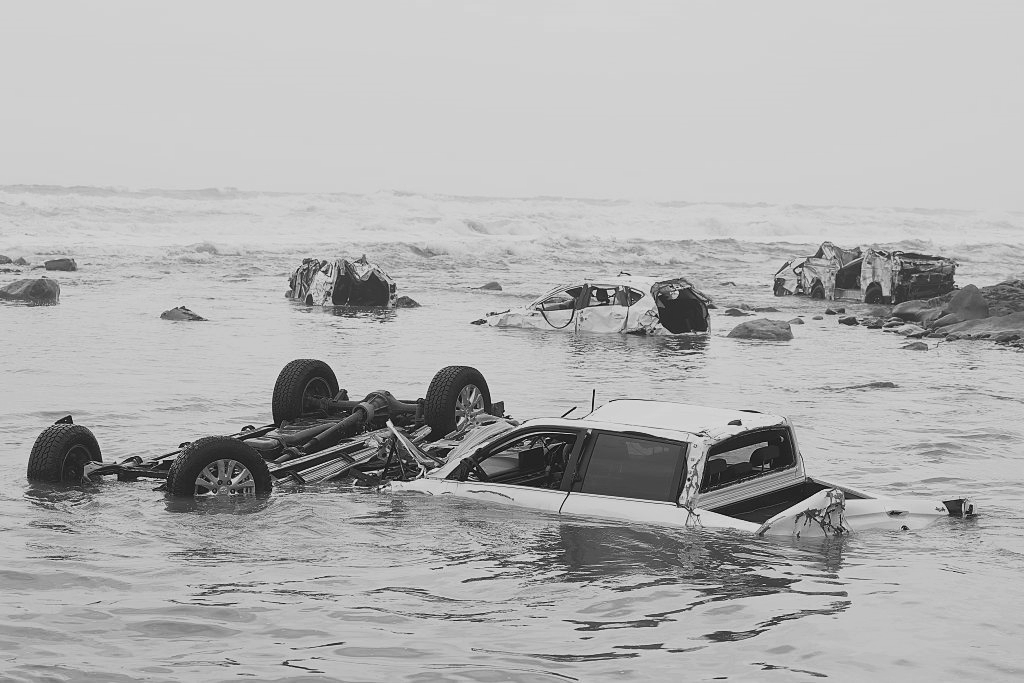
Flash floods ease in Sydney as authorities highlight measures to reduce future risks
Torrential rains triggered flash flooding in Sydney over the weekend, prompting evacuations in low-lying areas, but authorities on Sunday reported that water levels were receding. The suburb of Narrabeen, a beachside community with around 8,000 residents, was among the hardest hit, with residents advised to move to higher ground late on Saturday. The State Emergency Services confirmed that flooding was "receding and no further significant rise in flood levels is expected."
Emergency crews in New South Wales responded to more than 1,700 incidents triggered by heavy rain , while a woman was killed after being struck by a falling tree branch near Wollongong, about 66 km south of Sydney. Authorities warned of flash flooding, sudden, fast-rising floods that occur when intense rainfall overwhelms rivers and drainage systems, especially over saturated ground, steep terrain or densely built urban areas. Experts said climate change is exacerbating such events by warming the atmosphere, enabling it to hold more moisture and release it in short, extreme bursts of rain, increasing the frequency and severity of flash floods.
In response, governments and planners are emphasizing a combination of structural, policy, and community measures to reduce future flood risks. The NSW State Disaster Mitigation Plan identifies high-risk areas and outlines strategies to strengthen emergency preparedness, improve evacuation systems, and invest in mitigation infrastructure. Regional Disaster Adaptation Plans, such as those for the Hawkesbury-Nepean Valley, are being developed to protect communities with improved flood modelling, evacuation routes, and stakeholder coordination. Funding programs like the NSW Flood Recovery and Resilience Grants and the National Flood Mitigation Infrastructure Program support construction of levees, detention basins, and other flood control measures.
Urban planning improvements, including water-sensitive designs, permeable surfaces, and expanded green spaces, aim to reduce runoff and slow floodwaters in built-up areas, while land-use policies are being revised to limit development on flood-prone land. Post-disaster rebuilding is also being guided by “build back better” standards to make infrastructure more resilient. Authorities are also expanding community-focused programs to raise awareness and improve preparedness for future emergencies.
Officials stress that a combination of planning, infrastructure, and community engagement is critical to reducing the impacts of increasingly severe weather events in Sydney and across flood-prone regions of New South Wales.