
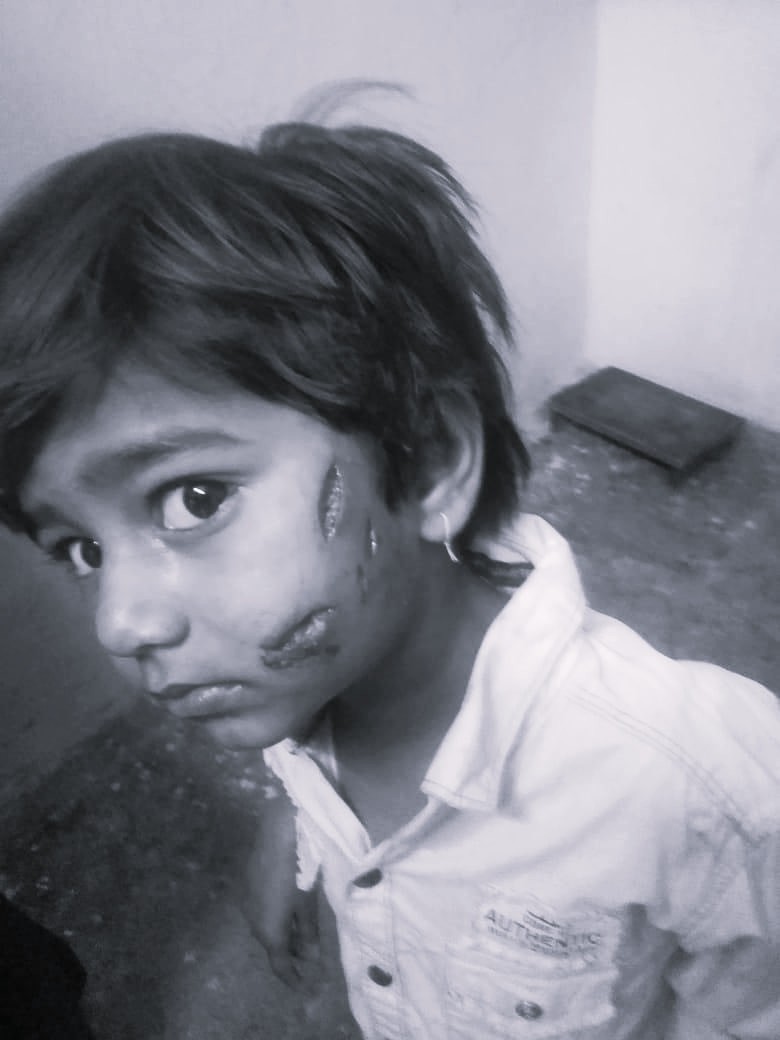
Five-Year-Old Attacked by Stray Dog in Suraram, Hyderabad
The stray dog problem in Telangana is rapidly turning into a public safety crisis, with repeated attacks reported in different areas and growing panic among residents. The most worrying part is that young children are increasingly becoming victims.
In the latest incident in Suraram Colony, Hyderabad , a five-year-old child was attacked by a stray dog (or a pack of dogs) while playing outside. The child suffered serious facial injuries and was rushed to hospital. Reports have created some confusion over whether the victim was a boy or a girl, but all major updates confirm the incident and injury severity.
Residents say stray dogs have been moving freely in colonies for days, and they accuse local authorities of ignoring complaints. The fear is now spilling over into anger, with many residents demanding immediate action.
However, the crisis has also triggered a second and equally serious development: illegal and cruel attempts to remove or kill stray dogs , leading to criminal cases.
In Warangal, police registered an FIR against the Chief Warden of NIT Warangal and three dog catchers after animal welfare groups alleged that stray dogs inside the campus were dragged using metal wires during a relocation attempt on January 17 . The complaint was filed by Adulapuram Goutham of the Stray Animals Foundation of India , and police are verifying the incident, including CCTV footage.
In another disturbing incident, police booked the local gram panchayat leadership in Yacharam village, Rangareddy district , after allegations that around 100 dogs were poisoned due to public complaints about stray dogs. This incident is being seen as part of a wider pattern: recent reports suggest more than 500 stray dogs were killed across multiple Telangana districts in the last few days, allegedly through poisonous injections.
The situation now reflects a dangerous breakdown: while public safety demands stronger stray dog control, unlawful killings and cruel removals are also increasing. Experts and activists argue that only scientific methods such as sterilisation and anti-rabies vaccination can reduce the problem long-term, while also keeping communities safe and staying within legal boundaries.