
First the Detentions, Then the Warning: India’s Clash With the UN Over Delhi Protests
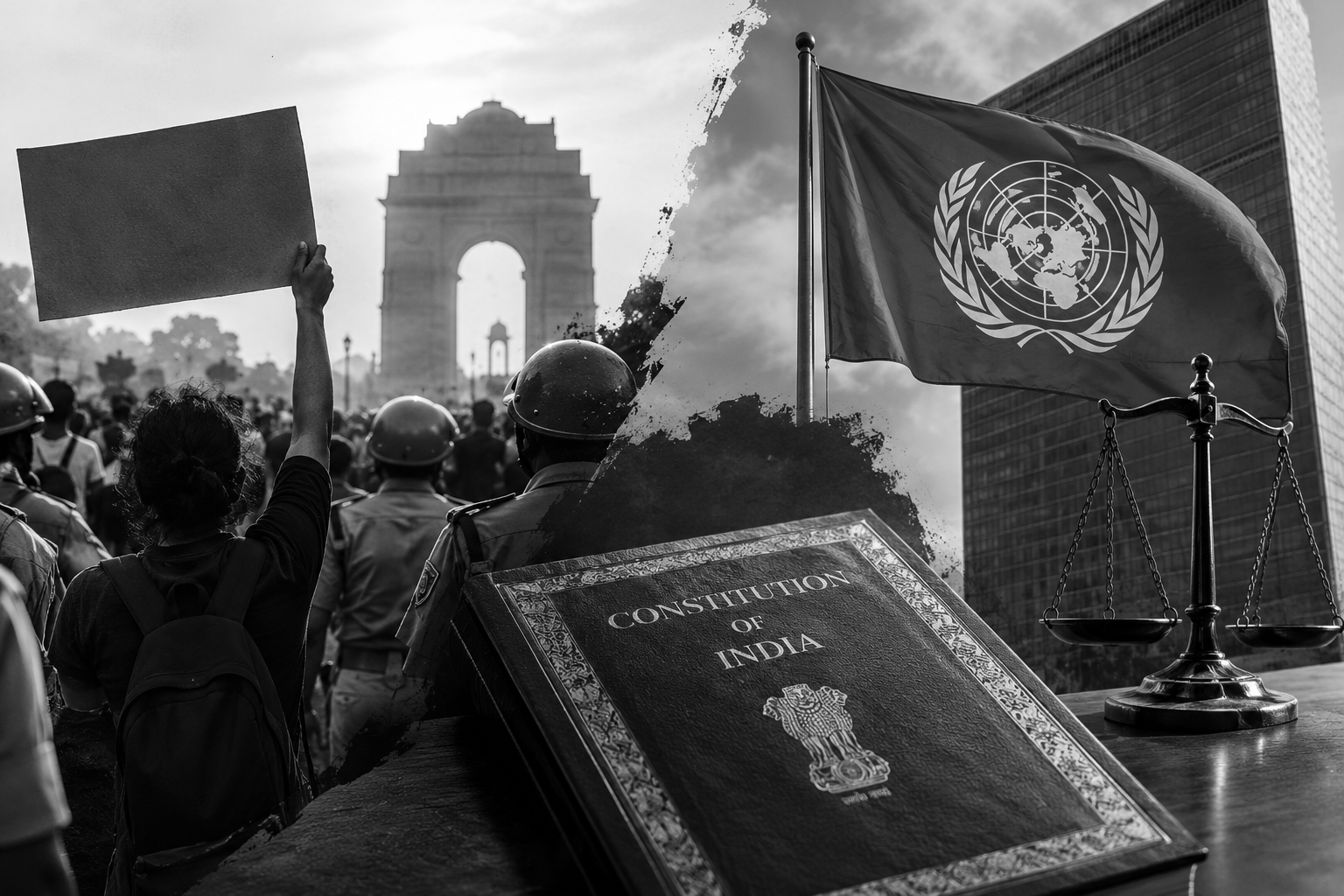
The Constitution guarantees Indian citizens the right to assemble peacefully and express their views, yet reports of mass detentions during protests in Delhi have brought the exercise of these freedoms under scrutiny. Now, as the United Nations raises concerns over the reported detentions, the Indian government has pushed back, accusing international human rights mechanisms of politicisation and interference in the country’s internal affairs.
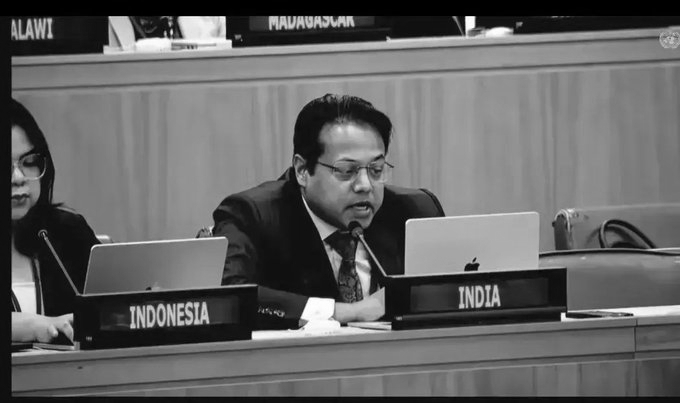
At the 81st session of the UN General Assembly’s Third Committee, India’s First Secretary at its UN mission, Anuj Swarup, urged international human rights bodies to respect cultural and historical contexts and avoid selectivity and double standards.
“We hope that the UN human rights mechanisms will rise above politicisation and selectivity,” Swarup said, asserting that India remained committed to advancing human rights for all.
His remarks came days after the Office of the UN High Commissioner for Human Rights (OHCHR) expressed concern over reports of mass detentions involving demonstrators, protest leaders, civil society members, lawyers and journalists before and during large-scale demonstrations in Delhi. India described the UN office’s comments as “unwarranted” and an “unacceptable interference” in its internal affairs.
The confrontation puts the spotlight on a fundamental democratic principle: constitutional rights are not privileges granted at the government’s discretion. Article 19 of the Constitution guarantees citizens the right to freedom of speech and expression and to assemble peacefully without arms, subject to constitutionally permitted restrictions. When the exercise of these freedoms leads to mass detentions, the circumstances, legality and proportionality of the action become matters of legitimate public scrutiny.
The UN’s intervention has brought these concerns to the international stage, while India’s response has challenged the legitimacy of that scrutiny. A government can dispute allegations and correct inaccurate reporting, but criticism of its actions cannot, by itself, settle questions about civil liberties.
Swarup also defended India’s development record, citing the lifting of more than 250 million people out of multidimensional poverty over the past decade. Separately, India challenged a UN report on forest rights, saying more than 80% of over 5.4 million claims under the Forest Rights Act had been decided.