
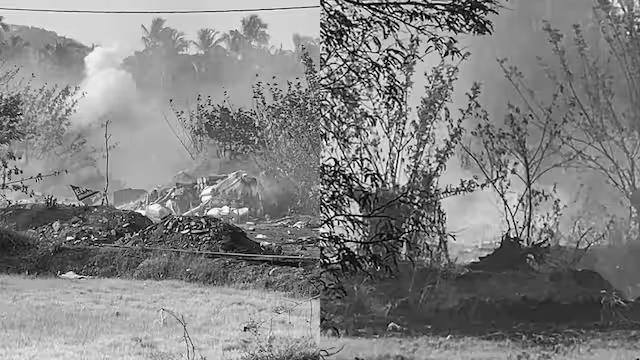
Fireworks unit blast in Thrissur leaves four dead, several injured
A devastating explosion at a fireworks manufacturing unit in Kerala’s Thrissur district has turned festival preparations into tragedy, leaving multiple people dead and dozens injured, while raising serious concerns over safety practices in seasonal cracker units.
The incident occurred on Tuesday at Mundathikode, where firecrackers were being prepared for the upcoming Thrissur Pooram festival , one of Kerala’s most iconic cultural events. According to initial reports, at least four people were killed in the blast, but the death toll is feared to rise as several victims remain in critical condition with severe burn injuries.
Authorities estimate that around 35 to 40 workers were present at the site when the explosion took place around 3:30 PM . The unit, consisting of multiple temporary sheds set up in an isolated paddy field, was actively engaged in manufacturing fireworks for temple celebrations. Food arrangements made for a similar number of workers further indicate the scale of operations at the time.
Eyewitnesses described a powerful initial blast followed by a series of intermittent explosions that continued for hours, severely hampering rescue efforts. The intensity of the explosion reportedly shattered windows in nearby areas, while thick plumes of smoke engulfed the site. Scattered debris, charred remains, and unexploded materials created a hazardous environment for emergency responders.
In the immediate aftermath, local residents rushed to the scene and played a crucial role in rescue operations, assisting authorities in shifting the injured and retrieving victims from the wreckage. Fire and rescue personnel, along with police teams, later took control of the site, though their efforts were slowed by the risk of further detonations from leftover explosive materials.
The injured were transported to nearby hospitals, including the Government Medical College, Thrissur, and Thrissur General Hospital, both of which were placed on high alert. State Health Minister Veena George directed officials to ensure specialised treatment for the victims and mobilised additional emergency services, including ambulances under the Kaniv 108 network, to handle the crisis.
While the exact cause of the explosion is still under investigation, preliminary indications suggest that a combination of highly volatile materials, possible lapses in storage protocols, and prevailing heat conditions may have contributed to the disaster. The presence of large quantities of fireworks in temporary structures has further intensified scrutiny over compliance with safety regulations.
The tragedy has once again highlighted a recurring pattern in Kerala’s festival economy, where temporary fireworks manufacturing units are set up ahead of major events like Pooram. These facilities often employ seasonal labourers, many of whom lack formal training in handling explosive materials, increasing the risk of accidents.
Past incidents in the region have raised similar concerns, yet enforcement challenges persist, particularly in remote or makeshift production sites. The latest explosion has reignited debate over whether stricter monitoring, licensing, and safety audits are being effectively implemented.
With the Thrissur Pooram festival just days away, authorities now face mounting pressure to reassess safety measures and ensure that such tragedies do not recur. Questions are being raised over regulatory oversight, storage limits, and the continued use of temporary manufacturing units for large-scale fireworks production.