
Firecracker ban origins in 1961, legal Diwali may return
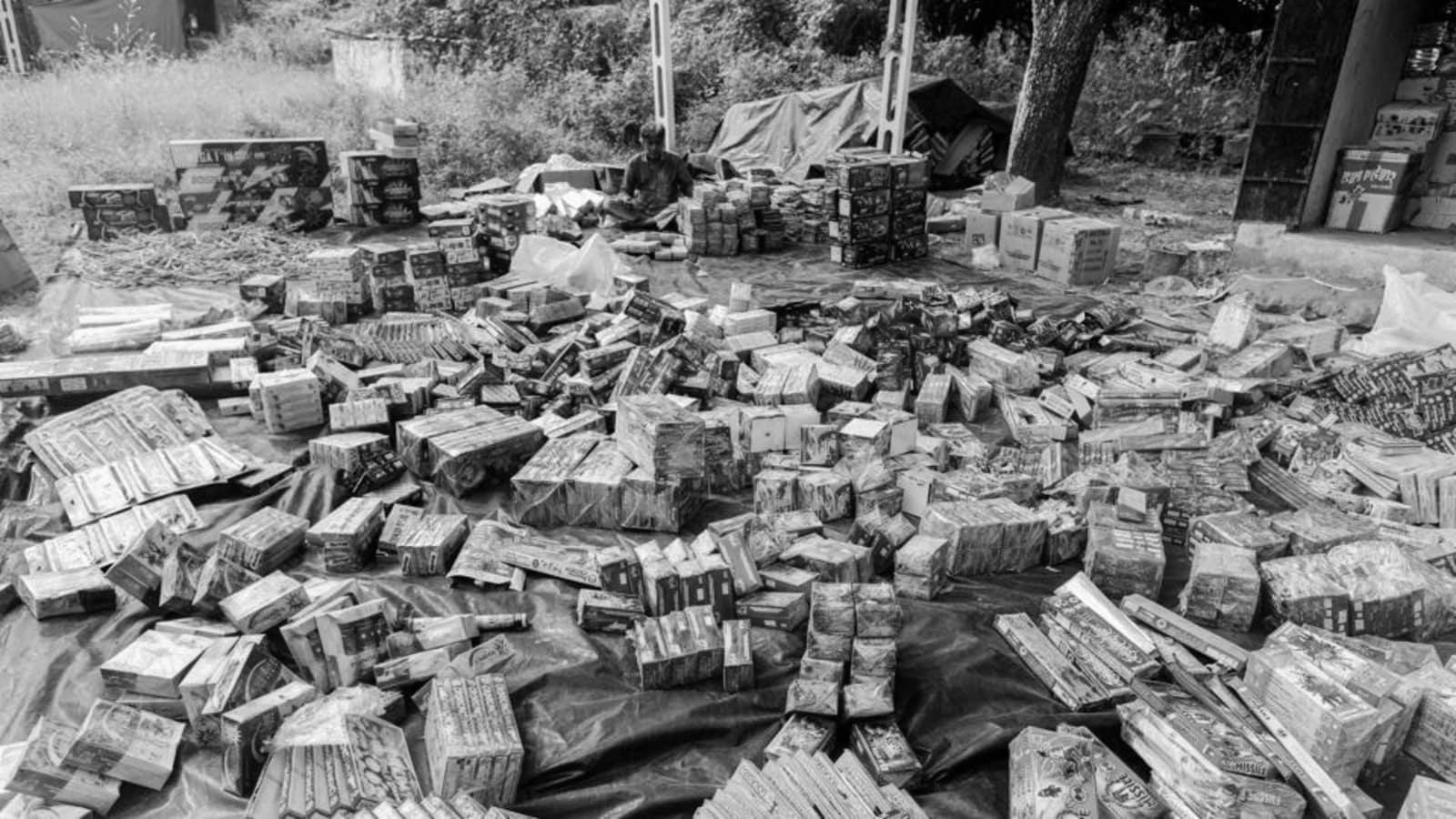
The debate over banning firecrackers in Delhi is decades old, with concerns over noise and air pollution first officially recorded in 1961. The Deputy Ganj Committee, a market association in Sadar Bazar, had written to the chief commissioner of Delhi highlighting the distress caused by high-decibel fireworks during festivals, particularly affecting residents with heart ailments. At the time, Delhi’s population was approximately 26 lakh.
The chief commissioner’s office, functioning under the direct control of the President of India after the dissolution of the Delhi Legislative Assembly in 1956, forwarded the committee’s letter to the Ministry of Works, Housing and Supply. The committee recommended measures such as banning high-decibel crackers, restricting fireworks after 10 pm, strict licensing for manufacturing and sales, and heavy penalties for violations.
The government, however, concluded that a total ban was not necessary. It noted that the Indian Explosives Act and Rules already regulated the manufacture of firecrackers and that sizes had been reduced in 1958 to minimize noise. Authorities recommended intensive police vigilance and restrictions on fireworks near hospitals and residential areas. Technical staff were appointed to inspect licensed factories to prevent irregular production.
In recent decades, the issue has taken on greater urgency due to Delhi’s population growth to over two crore residents and the city’s rising air pollution levels. The Supreme Court of India, on Friday, stated that a complete ban on firecrackers in Delhi-NCR is “neither practical nor ideal,” noting that such restrictions are often violated. The bench, comprising Chief Justice B R Gavai and Justice K Vinod Chandran, reserved its order on pleas seeking permission to manufacture and sell “green” firecrackers in the region.
The first Supreme Court-imposed ban came in 2014–15, addressing increasing pollution. In 2020, a ban under the Air (Prevention and Control of Pollution) Act was enforced. Later, the Delhi Pollution Control Committee (DPCC) issued a year-long ban in October 2024, covering manufacturing, storage, sale, and use of all firecrackers until January 1, 2025. A permanent year-round ban was notified in July 2025 under the Environment (Protection) Act, 1986.
Delhi’s air pollution is regulated by multiple authorities. The DPCC implements local regulations and ensures compliance with environmental laws. The Central Pollution Control Board (CPCB) provides national oversight and technical guidance. The Commission for Air Quality Management (CAQM) coordinates action across Delhi and adjoining states, including Punjab, Haryana, Uttar Pradesh, and Rajasthan.
Air quality deterioration around Diwali is influenced by the large-scale use of firecrackers, crop stubble burning in neighboring states, vehicular and industrial emissions, and weather patterns such as temperature inversions that trap pollutants near the ground. Firecracker emissions, containing particulate matter (PM2.5 and PM10), sulphur dioxide, and other pollutants, significantly exacerbate smog, posing serious public health risks, especially to children, the elderly, and those with respiratory or cardiovascular conditions.
Historical and recent developments highlight the persistent challenge of balancing cultural practices with public health and safety in Delhi. Authorities continue to enforce measures, promote “green” alternatives, and monitor compliance, while the Supreme Court and regulatory bodies oversee implementation to mitigate pollution and safeguard residents’ health.