
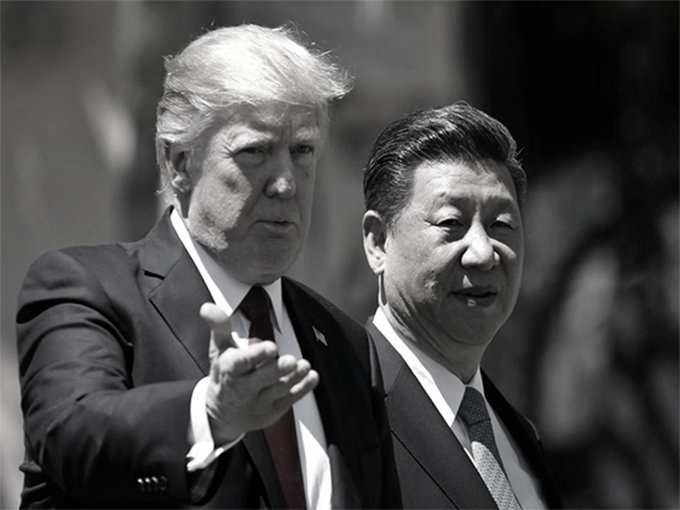
Fifth round of US-China trade talks held in Kuala Lumpur, Malaysia
The fifth round of trade talks between top economic officials from the United States and China held in Kuala Lumpur to prevent further escalation in the ongoing trade war.
Since the last meeting in Spain, relations between Washington and Beijing have been strained. New tariffs and export bans on “critical software” have been threatened by the US, while export controls on rare earths have been tightened by China. These issues are expected to be discussed in Kuala Lumpur as tensions are attempted to be eased before the APEC summit later this month.
US President Donald Trump stated on Wednesday that a deal with China will be reached, in response to growing concerns over a potential economic slowdown. Analysts, however, warn that a clear strategy has not yet been established by the US team, as China is not expected to be intimidated by the threats. Trump is scheduled to arrive in Malaysia tomorrow.
The talks in Kuala Lumpur are being held on the sidelines of the ASEAN summit, with the goal of paving the way for a meeting between Trump and Chinese President Xi Jinping. New US tariffs and trade measures could be imposed starting November 1, following China’s expanded export controls and the addition of thousands more Chinese firms to the US export blacklist.
China’s top trade negotiator, Li Chenggang, is attending the talks alongside Vice Premier He Lifeng. The two officials arrived at Kuala Lumpur’s Merdeka 118 tower, the second-tallest building in the world.
Key issues under discussion include:
• Interim relief on tariffs
• Technology controls and export bans
• Chinese purchases of US soybeans
Just before the talks, Trump stated that US farmers would be discussed with Xi, and the case of jailed Hong Kong media tycoon Jimmy Lai may be raised, highlighting China’s crackdown on rights and freedoms. Taiwan was also mentioned by Trump, although no visit is planned.
Experts have commented on the talks:
• Josh Lipsky (Atlantic Council): Disputes over US export curbs and China’s rare earth controls must be addressed, though China is not expected to back down.
• Scott Kennedy (CSIS): Success would validate China’s strategy, while failure would require preparation for escalated tensions.
The US and China seek to avoid a return to triple-digit tariffs that were imposed earlier this year. A 90-day truce was reached in May, reducing US tariffs to 55% and Chinese tariffs to 30%, while rare earth magnet flows were restarted. The truce was extended in London and Stockholm and was set to expire on November 10.
Tensions were increased after the US expanded its export blacklist in September, automatically including firms more than 50% owned by already blacklisted companies. In response, China imposed new global rare earth export controls on October 10, requiring licenses for products using Chinese rare earths or related technology. Bessent and Greer criticized China’s move as a global supply chain power grab, and further restrictions on software exports are being considered by the Trump administration.
On Friday, a new US tariff investigation was launched into China’s apparent failure to meet the 2020 trade deal, under which major purchases of US farm products, manufactured goods, energy, and services were pledged. In September, no US soybeans were purchased by China, placing economic pressure on American farmers, a key political base for Trump.