
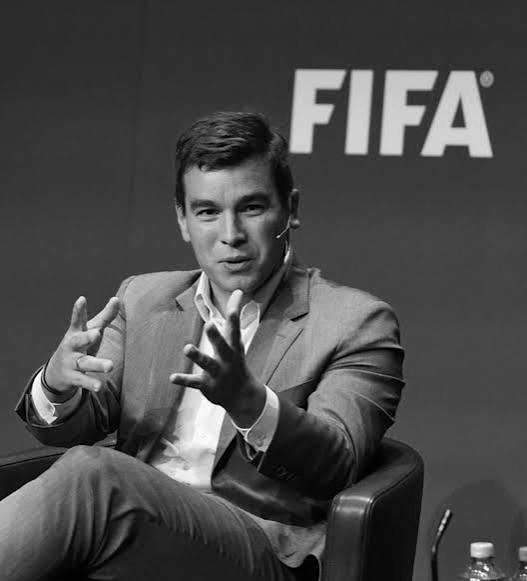
FIFA Legal Head Quits Amid Controversies Over World Cup Decisions and Infantino's Leadership
FIFA's top legal official, Emilio García Silvero, has stepped down after eight years with world football's governing body, leaving at a time when president Gianni Infantino is facing mounting criticism over controversial disciplinary decisions and alleged political interference ahead of his re-election campaign.
FIFA announced on Friday that García wanted to begin a new chapter in his career and return to Spain after spending 15 years working abroad. He had headed the organisation's legal and compliance department, overseeing disciplinary proceedings, transfer regulations and contractual disputes involving clubs, players and officials worldwide.
García joined FIFA in 2018, two years after Infantino became president, having previously worked with him at European football governing body UEFA. He also oversaw the relocation of FIFA's legal operations from Zurich to Miami in 2023 and introduced greater transparency by publishing more legal documents and disciplinary decisions.
His departure comes amid growing questions over Infantino's leadership, particularly following revelations in July about a plan to sell stakes in the men's World Cup to private investors, including Josh Kushner. The proposal triggered opposition from senior FIFA officials and was abandoned within days.
According to subsequent media reports, García had supported Infantino in a closely contested senior management vote on the proposal.
Relations between FIFA and UEFA have also deteriorated, with the European body questioning whether Infantino interfered in disciplinary proceedings affecting World Cup matches. UEFA sent him 42 questions last month, including whether he had attempted to influence decisions directly or through FIFA officials.
Several controversial rulings during the World Cup have further intensified scrutiny. FIFA allowed United States forward Folarin Balogun to play despite an earlier red card after US President Donald Trump reportedly lobbied Infantino against enforcing a mandatory one-match suspension.
Another contentious decision involved Portugal captain Cristiano Ronaldo, who received a probationary suspension following a red-card offence in a qualifying match, potentially avoiding an automatic ban from the tournament.
FIFA also faced questions over its handling of Congo goalkeeper Lionel Mpasi, who was found to have been ineligible during four previous qualifying matches. Unlike in similar cases, Congo were not made to forfeit those matches, denying Burkina Faso and Nigeria an opportunity to advance.
The pressure on Infantino has now extended to the presidential race. Veteran FIFA Council member Kozo Tashima, a former Japan international, emerged as his first challenger on Thursday, criticising what he described as unacceptable political influence during the World Cup.
Meanwhile, FIFA secretary-general Mattias Grafström thanked García for his contribution, saying his efforts had left football in a better place.
FIFA said Jan Kleiner, its head of football regulations based in Zurich, would temporarily oversee the legal and compliance departments in Miami.