
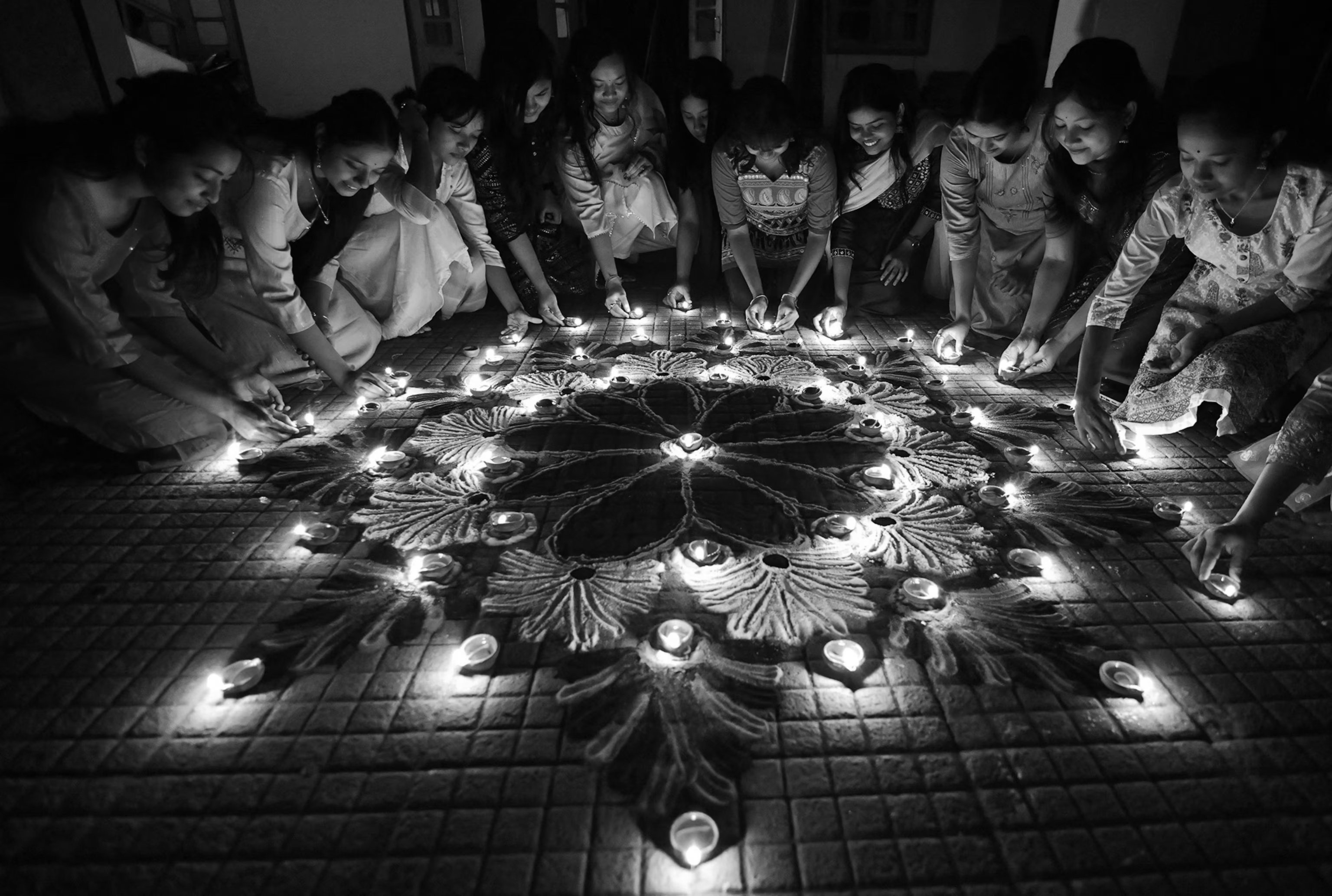
Festivals: From sacred celebrations to sustainable revivals
Festivals in India have always been a powerful social glue. Whether it is Diwali, Eid, Christmas, Pongal, or Baisakhi, these occasions bring people together beyond caste, class, and creed. They foster social harmony, collective participation, and emotional bonding. In villages, festivals once meant community cooking, folk songs, temple cleaning, and collective prayers activities that reinforced social unity and cooperation.
In urban areas too, they serve as rare occasions for family reunions and neighborhood interactions, combating the loneliness of modern life. The underlying message of festivals togetherness and gratitude remains a timeless social need.
Political and civic significance
Festivals have historically acted as platforms for collective identity and even political mobilization. During India’s freedom movement, leaders like Mahatma Gandhi encouraged celebrating Hindu and Muslim festivals jointly to build unity against colonial rule.
However, in recent times, some festivals have unfortunately been used to deepen political divides or display competitive religiosity. Loud processions, aggressive symbolism, and politically sponsored events sometimes overshadow the peaceful essence of devotion. True civic leadership lies in restoring festivals as instruments of peace, unity, and community service rather than political showmanship.
Economic Dimensions
Festivals are major economic drivers. Diwali alone stimulates the economy by billions of rupees from handicrafts and sweets to lights, apparel, and electronics. Rural artisans, potters, weavers, and farmers benefit immensely from festive markets.
However, commercialization has also distorted the purpose of festivals. The spirit of gratitude and giving is replaced by mindless consumption, waste generation, and show-off culture. Shopping sprees, imported idols, plastic decorations, and extravagant parties contribute to pollution and inequality. To revive balance, we must encourage local products, eco-friendly decorations, and small-scale industries ensuring that the economic benefits reach the grassroots.
Cultural and Spiritual Significance
Every festival was originally rooted in the rhythms of nature and the cycle of life. Pongal and Makar Sankranti celebrated harvest; Holi marked the end of winter; Diwali symbolized the victory of light over darkness both literally and metaphorically. The rituals were deeply symbolic: cleaning the house for purification, lighting lamps for hope, sharing food for equality, and offering prayers for self-reflection. Festivals thus became living classrooms of philosophy, ecology, and ethics.
Today, many rituals are performed mechanically without understanding their inner meaning. Cultural education in schools and community storytelling can help revive this spiritual connection.
How Festivals Became a Problem Over Time
With urbanization, population density, and commercialization, the scale of celebration outgrew its ecological and moral limits. Noise pollution, plastic waste, traffic chaos, and air contamination have become regular features. Diwali now raises air pollution levels to hazardous peaks. Ganesh Chaturthi causes water pollution through chemical idols. Holi brings toxic chemical colors instead of natural ones. The intention to celebrate nature and divinity has, ironically, become an assault on both.
The Way Forward - Combining the Best of Ancient and Modern
India doesn’t need to abandon festivals, it needs to reinvent them. The challenge is to retain their emotional warmth while aligning them with today’s environmental and social realities.
Examples and Solutions:
Green Crackers for Diwali:
The introduction of green crackers, developed by CSIR, reduces particulate emissions by 30–40% without losing festive excitement. They symbolize how science can uphold tradition responsibly.
Eco-Friendly Ganesh Idols:
Clay idols with plant seeds inside merge devotion with sustainability.
Community Celebrations:
Instead of multiple noisy processions, common venues and collective donations can reduce pollution and build unity.
Digital Awareness Campaigns:
Use social media not for flaunting extravagance but for promoting local artisans and sustainability.
Educational Integration:
Schools can teach the meaning of festivals why Deepavali is about light, not smoke; why Holi celebrates color, not chemical waste.
Conclusion
Festivals are mirrors of civilization; they reveal who we are and what we value. India’s festivals once embodied gratitude, sharing, and reverence for nature. If we combine that ancient wisdom with modern technology and awareness, festivals can again become engines of both joy and justice, faith and ecology. Let our future Diwalis glow with light, not smog; our Holis shine with colors of joy, not chemicals. That would be the true celebration where progress and tradition walk hand in hand.