
Feeding minds, Building futures: CM’s ambitious school nutrition initiative"
Telangana Chief Minister A. Revanth Reddy has unveiled a transformative plan to revolutionize government school education, focusing on nutrition and infrastructure enhancements. The initiative, directive, aims to provide milk, breakfast, and lunch to students starting from the 2026 academic year, alongside upgrading school facilities to match corporate standards, particularly in urban Hyderabad areas.
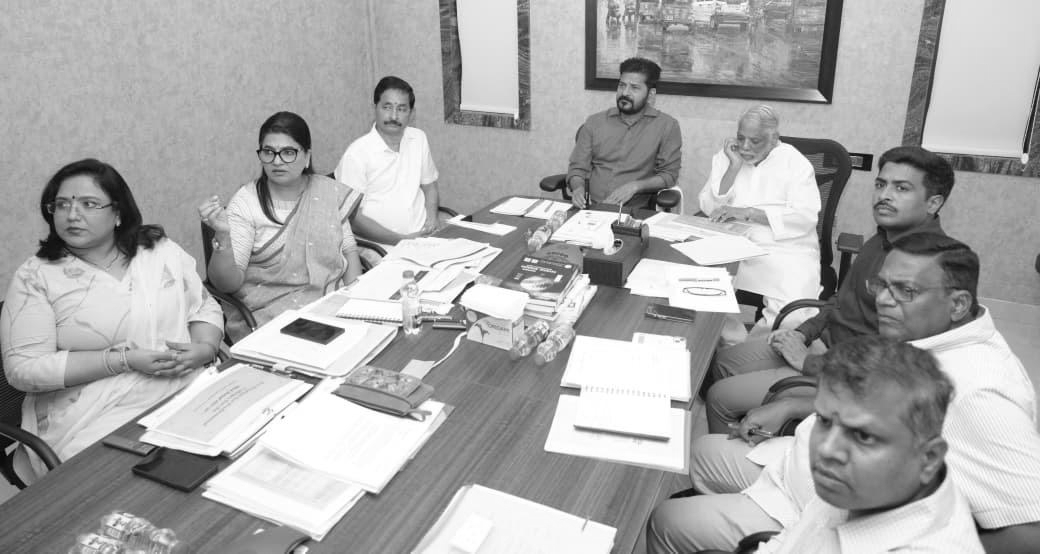
During a recent review meeting with senior education department officials, CM Reddy emphasized the urgency of this initiative. The meeting, attended by government advisors K. Keshav Rao and Vem Narender Reddy, and Higher Education Council Chairman V. Balakista Reddy, focused on drafting a detailed action plan for implementation by June 2026. The Chief Minister’s vision is to ensure that government schools not only provide quality education but also address nutritional deficiencies, a critical factor in student performance and health.
This initiative draws inspiration from Tamil Nadu’s pioneering school meal program, which has been operational since 1982. According to a 2023 UNICEF report, Tamil Nadu’s scheme has increased school enrollment by 10-15% and significantly reduced malnutrition rates among children. The report highlights that providing nutritious meals incentivizes school attendance, particularly among economically disadvantaged families. Telangana aims to replicate this success by extending the program to include breakfast and milk, thereby enhancing the nutritional intake of students.
The pilot project for nursery-to-Class 4 schools, announced during the meeting, will serve as a model for the broader implementation. These schools will be equipped with advanced infrastructure, including playgrounds, modern classrooms, and a conducive learning environment, aiming to match the facilities of corporate schools. The focus on urban Hyderabad, specifically within the Outer Ring Road area, is strategic, given the dense population and higher demand for quality education in these regions. Current enrollment figures suggest that over 5 million students across Telangana could benefit from this initiative. The government plans to identify and utilize available land within the education department’s purview to establish new schools or relocate existing ones lacking adequate facilities. This move is expected to address the infrastructure deficit and ensure that every government school meets the stipulated standards.
The initiative aligns with broader national and global trends towards improving educational outcomes through nutrition. The World Food Programme (WFP) has long advocated for school feeding programs as a means to combat hunger and improve learning. In India, the Mid-Day Meal Scheme, introduced in 1995, has been a cornerstone of this approach, though regional variations in implementation have led to differing outcomes. Telangana’s plan to include breakfast and milk is a step towards a more holistic approach, potentially setting a new benchmark for other states.
As Telangana embarks on this ambitious journey, the success of this initiative could have far-reaching implications for the state’s educational landscape and the overall well-being of its young population. With a clear roadmap and a commitment to emulate best practices, the government aims to transform government schools into beacons of quality education and nutrition.