
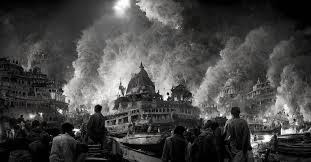
Fake AI images on Manikarnika Ghat spark FIRs, renew concerns over misuse of AI
Uttar Pradesh Police have registered eight FIRs in Varanasi against individuals and social media accounts for allegedly circulating fake, AI-generated images related to the redevelopment work at the sacred Manikarnika Ghat, officials said on Saturday. Authorities say the misleading visuals were aimed at spreading misinformation, hurting religious sentiments and disturbing social harmony.
According to police, fabricated images showing distorted and exaggerated visuals of redevelopment activity at the cremation ghat were shared on the social media platform X on January 16. Some of the images were allegedly linked to Hindu deities, creating the impression that the ghat’s religious and traditional character was being damaged . Officials said this triggered public anger, objectionable comments and reposts, escalating tensions online.
Deputy Commissioner of Police Gaurav Bansal said the images did not reflect the actual beautification and infrastructure strengthening work underway at Manikarnika Ghat since November 15, 2025. A complaint was lodged at Chowk police station by a contractor involved in the project, who alleged that AI-generated content was deliberately used to mislead devotees and portray the redevelopment in a negative light.
Police said the posts were intended not only to hurt religious sentiments but also to create an anti-government narrative. Legal action is being taken not just against those who first shared the content but also against users who amplified it through reposts and comments. A detailed investigation is underway, and authorities warned of strict action against the spread of rumours and misinformation.
Religious scholars and local bodies reacted strongly to the controversy. The Kashi Vidvat Parishad supported the redevelopment work and appealed to the public not to fall for false propaganda. Some sant committees, however, raised concerns over the handling of historical statues during redevelopment and demanded their restoration. Political leaders also weighed in, with the Uttar Pradesh government dismissing the images as fake propaganda, while opposition leaders alleged damage to Kashi’s cultural heritage. No specific comment from the RSS on the AI-image controversy has been reported so far.
The Manikarnika Ghat case has once again highlighted the growing misuse of artificial intelligence to create deceptive and harmful content. In recent months, several cases globally have drawn attention to AI abuse including the circulation of deepfake images targeting women and minors, AI-generated sexualised content leading to regulatory action against platforms, and criminal cases involving students creating fake images of classmates. In India, public figures have also approached cybercrime authorities over AI-morphed content.
Experts warn that AI-generated misinformation poses a serious challenge as such content can appear realistic, spread rapidly and cause real-world harm. Governments and technology companies are increasingly discussing safeguards such as watermarking AI-generated content, stronger platform accountability and legal consequences for misuse.
As investigations continue in the Varanasi case, authorities have reiterated that technology must not be allowed to undermine religious harmony, public trust or social order.