


Faith Over Fear: Hajj 2026 Unites 1.5 Million in Mecca Despite Deadly Heatwaves & Iran War
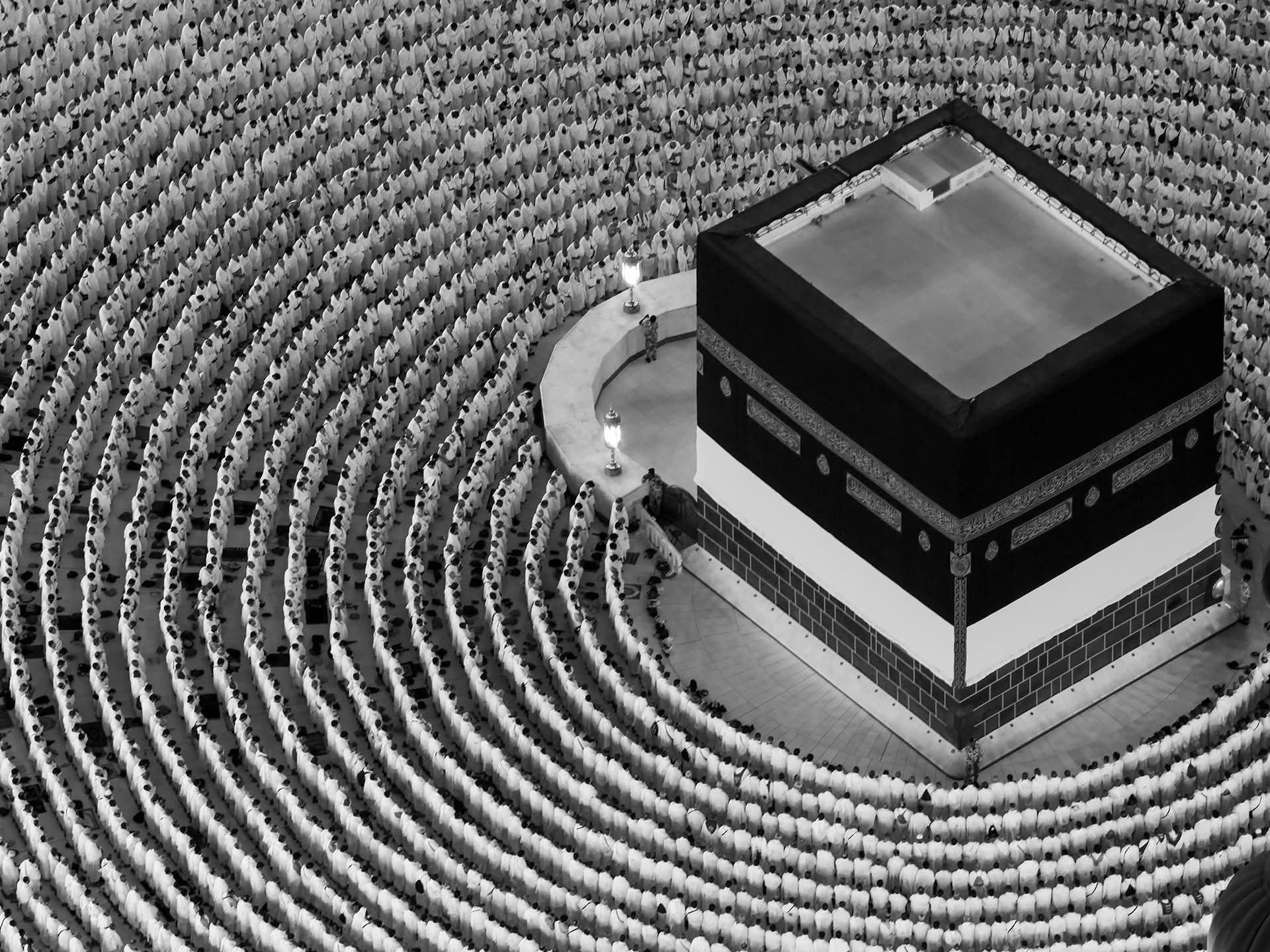
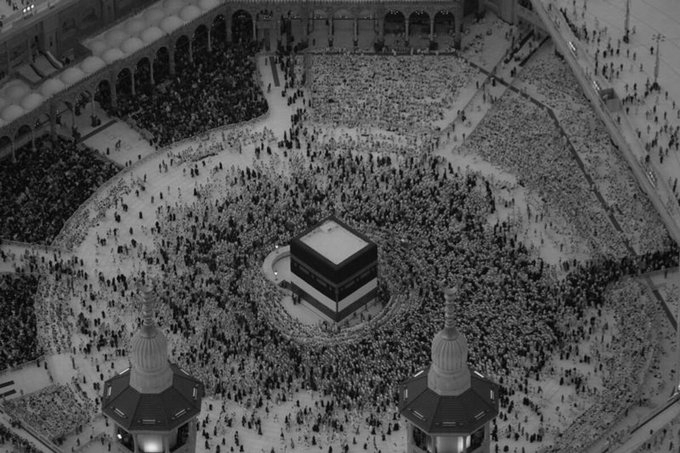
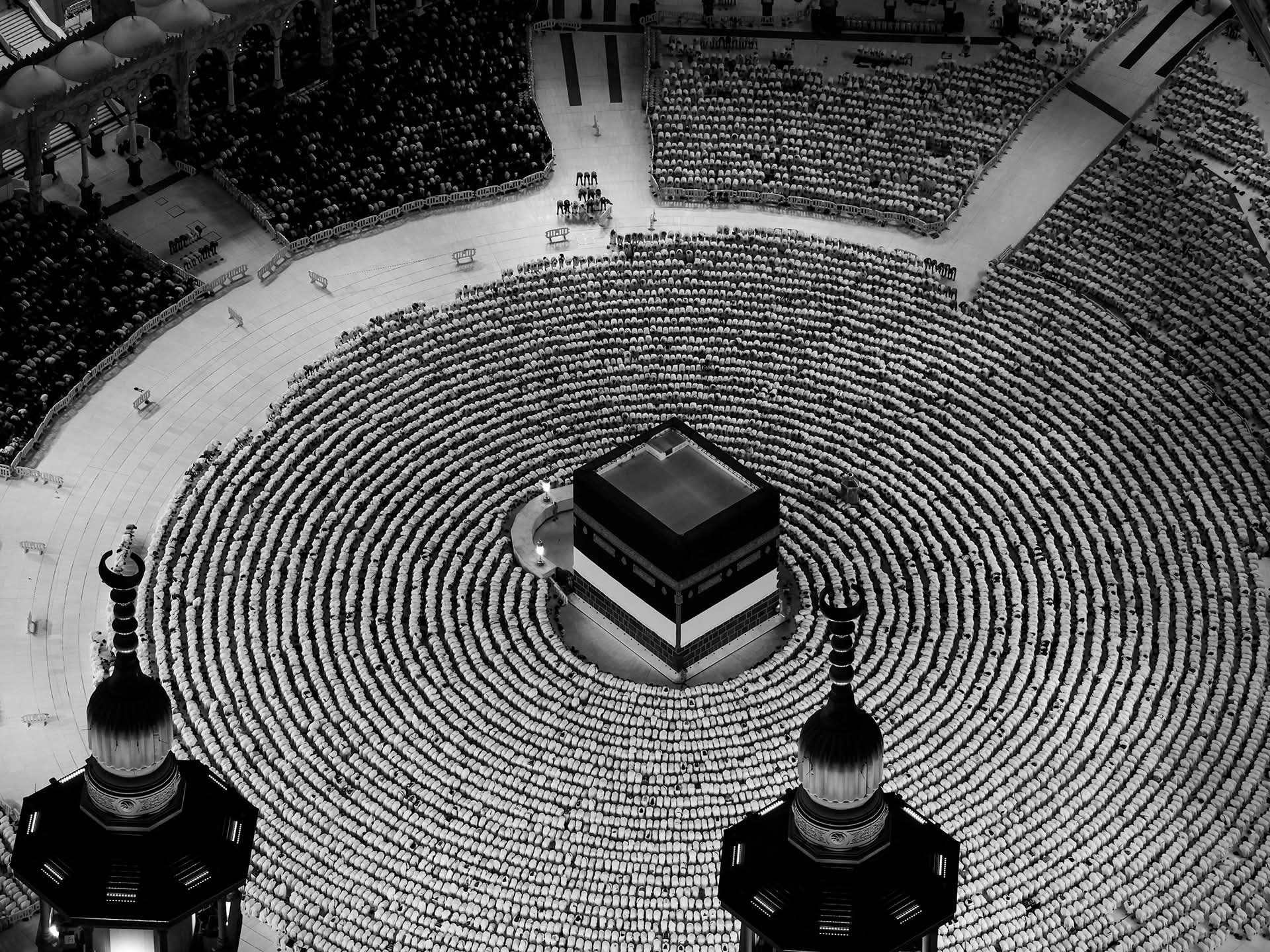
The annual Hajj pilgrimage formally commenced Monday, drawing more than 1.5 million faithful to Mecca for one of humanity's greatest spiritual gatherings and arguably its most consequential in a generation. Pilgrims from across the globe have converged on the Grand Mosque, circling the Kaaba in sweltering desert heat, before making their way to the vast tent city of Mina in a journey that countless devotees spend entire lifetimes preparing for.
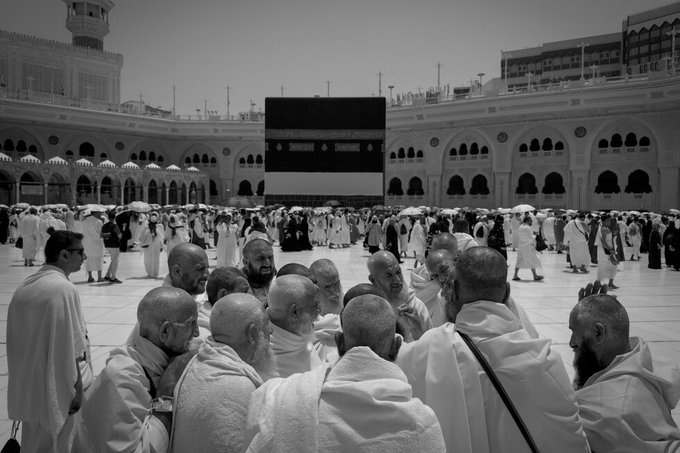
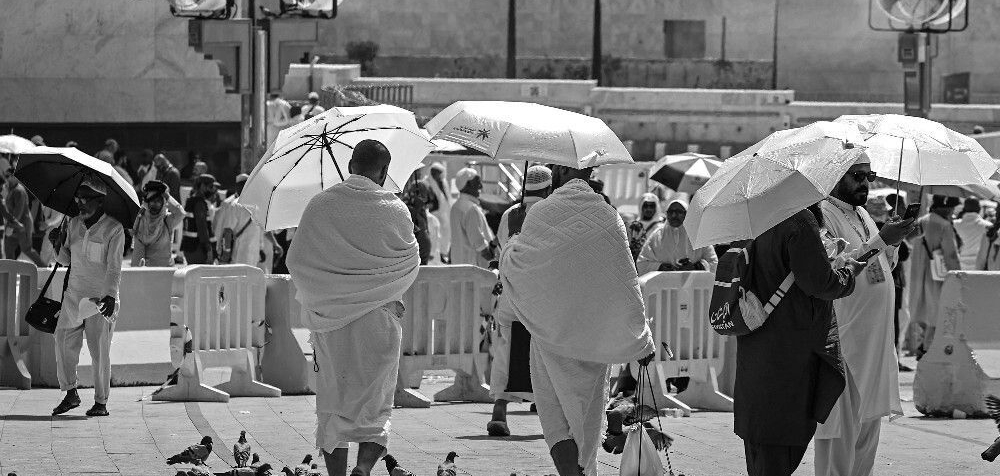
Obligatory once in a lifetime for every financially and physically able Muslim, Hajj is one of the Five Pillars of Islam , a profound equaliser that strips away nationality, class, and language, clothing millions in identical white garments as a testament to human unity before God. Its pinnacle arrives Tuesday, when pilgrims stand together on the plain of Arafat in collective worship, tearfully seeking divine forgiveness and voicing supplications for loved ones, a moment theologians describe as the closest earthly experience to the Day of Judgement.
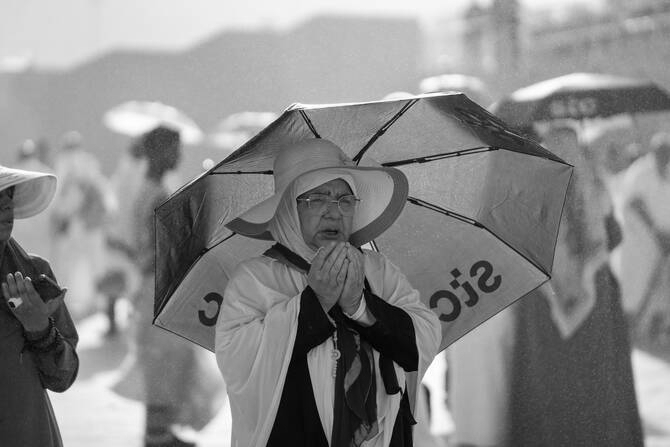
This year carries rare historical weight. Saudi meteorologists identify 2026 as among the last dangerously hot Hajj seasons before the Islamic lunar calendar shifts the pilgrimage into cooler months from 2027, making the safety stakes exceptionally high. The warning is grounded in tragedy: during Hajj 2024, at least 1,301 pilgrims perished as temperatures breached 51°C , with roughly 83% being unregistered pilgrims denied access to air-conditioned tents and medical facilities.
Saudi Arabia's response has been extraordinary. Cooled and shaded areas at Arafat now stretch across 272,000 square metres, five times the 2024 footprint, fitted with misting fans and advanced cooling columns. Over 3,000 ambulances , 11 air ambulances , and 52,000 health practitioners are deployed across holy sites, while medical drones now slash medicine delivery times from 90 minutes to six . AI platforms Baseer and Sawaher use thermal imaging and computer vision to detect dangerous crowd density in real time, and drones actively enforce permit regulations to curb the illegal pilgrim crisis that proved fatal in 2024.