
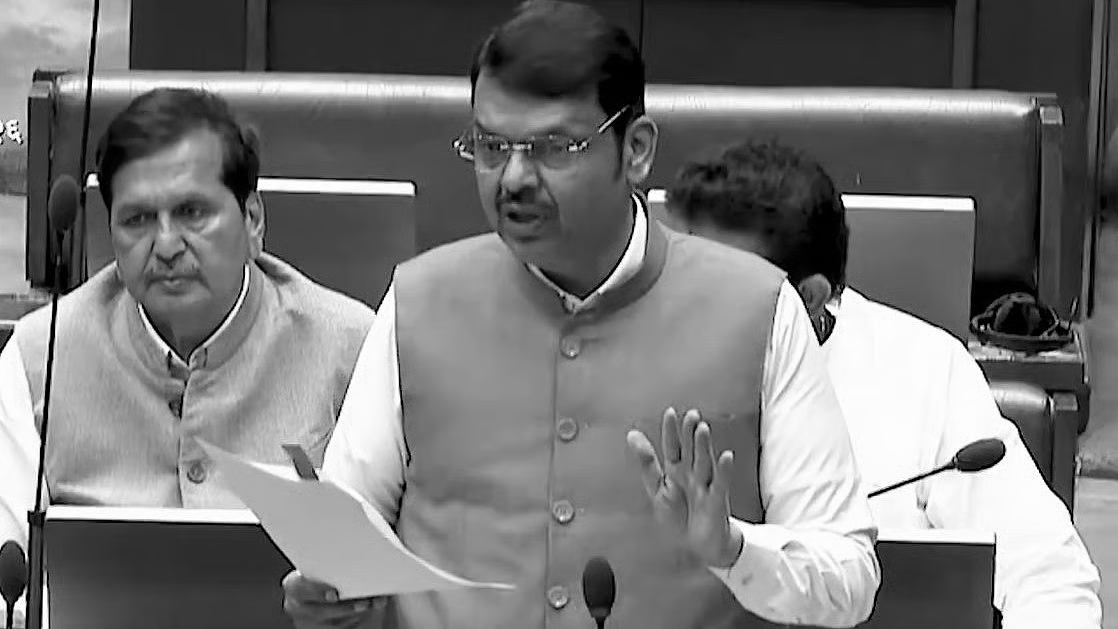
Fadnavis convinces assembly on power surplus, water for data centres remains unasked
Maharashtra Chief Minister Devendra Fadnavis used the state assembly floor on Tuesday to make an elaborate case for one thing: that the state has enough electricity. He cited surplus generation capacity, competitive industrial tariffs, renewable energy targets, and Mahavitaran's billion-dollar revenues . The message, though never stated plainly, was directed at one audience - data centre investors.
Maharashtra already hosts nearly 60 per cent of India's data centre capacity . Fadnavis wants more. An additional 4,500 MW of power capacity is being planned over five years, regulatory frameworks have been adjusted to let data centres generate and distribute renewable power locally, and industrial tariffs at ₹8.32 per unit are being positioned as a competitive advantage. The pitch was polished, detailed, and conspicuously incomplete.
Not one legislator asked about water.* This is not a minor omission. A mid-sized data centre consumes anywhere between *one and five million litres of water* every day, primarily for cooling systems that prevent servers from overheating. A hyperscale facility - the kind that global cloud giants are now building - can exceed that by multiples. Mumbai and Navi Mumbai, where the bulk of Maharashtra's data centre capacity is already concentrated, draw their water from a reservoir system that serves over 20 million people and routinely faces supply stress during dry seasons. The Marathwada region, just hours away, has spent much of the last decade in recurring *drought.
The Chief Minister's renewable energy roadmap - 52 per cent by 2030, 65 per cent by 2035 - is genuinely ambitious. Battery storage, pumped hydro, solar pump schemes for farmers: the electricity story has texture and detail. The water story has no story at all , because nobody told it.
This is a familiar pattern in infrastructure politics. Electricity is visible, metered, and politically legible. Water is shared, seasonal, and easy to defer. Data centres attract investment announcements and ribbon-cutting opportunities. Water allocation disputes attract nothing except eventually, a crisis.
Maharashtra's existing criticisms - rooftop solar disputes, billing irregularities, occasional industrial outages, worker protests over privatisation - are real and were acknowledged, if briefly, even by the CM. But these are secondary debates around the margins of a system that is, on balance, functional. The water question is structural. It asks whether the model itself is sustainable.
A state that hosts 60 per cent of India's digital infrastructure, in a region with chronic water stress, planning to multiply that capacity over the next five years, perhaps deserves a different kind of assembly session - one where someone stands up and asks not "do we have enough power?" but "where is the water coming from?"
That question was not asked on Tuesday. It should have been.