
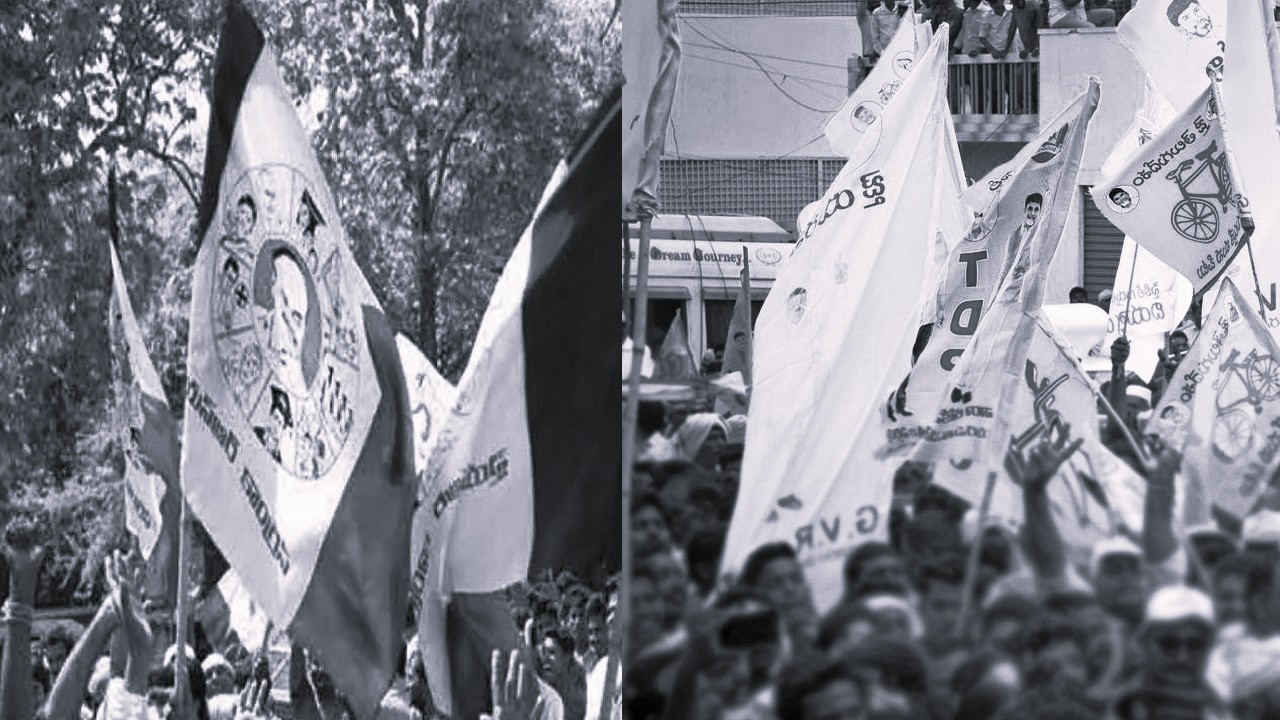
Factional clashes define Singanamala’s political landscape
Singanamala constituency in Anantapur district has earned a reputation for constant factional clashes, regardless of which party is in power. Unlike other constituencies in the district, Singanamala frequently makes headlines for internal disputes, raising questions about the reasons behind its perennial political unrest. Analysts attribute this to several structural and social factors.
Singanamala is an SC-reserved constituency, and historically, no single MLA has managed to establish a long-standing hold over the area. Most MLAs are either first-time winners or have only served one or two terms. While elected representatives hold office, their real authority is often limited, largely because ticket allocation and political support depend on endorsements from dominant upper-caste leaders. Any perceived disobedience to these leaders can result in internal opposition, complaints to party leadership, and efforts to undermine the MLA’s work—creating a widespread perception of ineffectiveness both among constituents and within the administration.
Factionalism is particularly visible within regional parties. For instance, in the 2019 elections, Jonnalagadda Padmavati won as MLA under YSRCP. Despite her husband, Aluru Sambashiva Reddy, serving as CEO of the AP School Education Oversight Commission and belonging to a dominant social group, factional clashes within YSRCP persisted. Key leaders in the constituency sought to assert their influence, filing complaints against her to party leadership, eventually resulting in her being denied a ticket for the 2024 elections. Instead, her husband received backing, highlighting how internal dynamics overshadow governance.
Currently, with Shailajanath as the in-charge of the constituency, factional groups remain active but largely dormant due to the absence of an authoritative MLA.
In the TDP, factional disputes also dominate news coverage. MLA Bandaru Shravanthi frequently finds herself embroiled in intra-party conflicts. Local leaders continually attempt to expand their influence, leading to rallies, protests, and even stone-throwing near the MLA’s residence. Despite this, she continues to assert her authority without bowing to factional pressures, illustrating how factionalism disrupts normal political functioning.
Analysts argue that the root of Singanamala’s perpetual factionalism lies in its SC-reserved status combined with the presence of ambitious leaders ready to compete for power without waiting for electoral victories. Similar patterns exist in both YSRCP and TDP, with neighboring constituency leaders also intervening to assert influence. These dynamics ensure that Singanamala remains a focal point of political disputes, making it synonymous with factional clashes in Anantapur district.