
Facial recognition to end ‘food & bed’ courses in T'gana
Students in Telangana may soon have to attend classes regularly, as universities in the state are set to implement a facial recognition-based attendance system from this academic year. This move is aimed at ending the decades-old practice of “food and bed” courses, where students enrolled primarily for hostel facilities and meals while often skipping classes.
For years, many students at universities like Osmania University have taken admissions mainly to secure subsidized accommodation and three-time meals, especially while preparing for competitive exams. Courses in subjects like Psychology, Journalism, Telugu, Sociology, Linguistics, and Philosophy were often labeled as “food and bed” courses, as students rarely attended classes. Campus authorities, due to student politics and leniency, had tolerated this practice for a long time.
The new system will change that. Attendance will now be directly linked to tuition fee reimbursement and eligibility to appear for exams. Students must maintain at least 75% attendance; those who fail to meet the requirement will lose their fee reimbursement, be barred from exams, and may even lose hostel privileges.
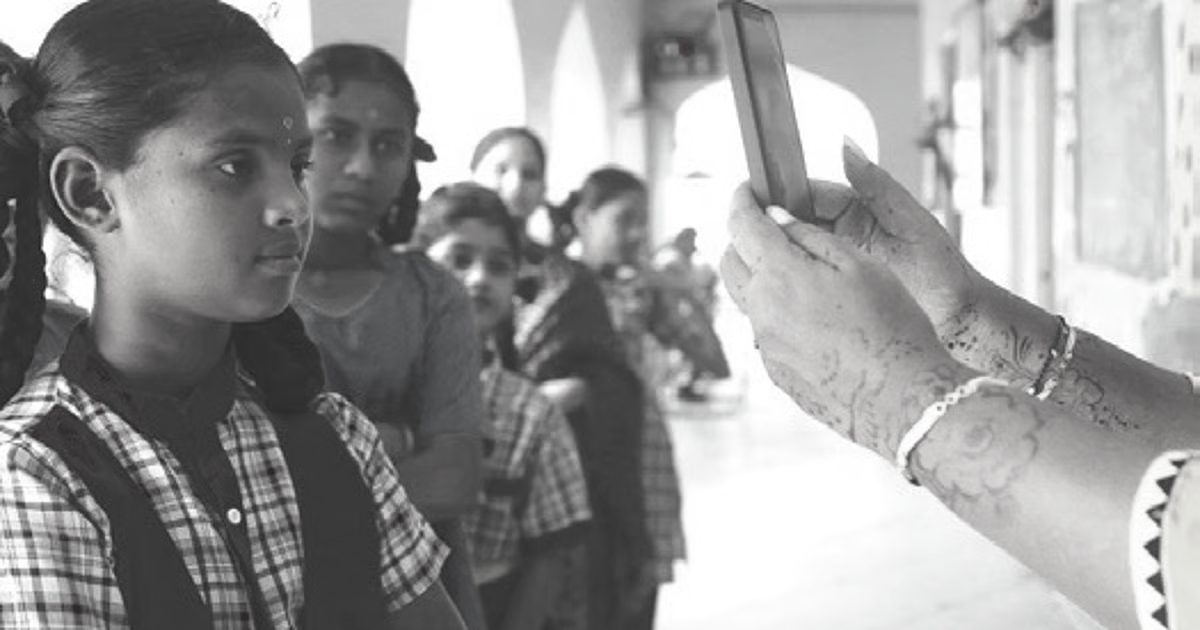
The initiative is not limited to students alone. It will also cover teaching and non-teaching staff across universities, constituent colleges, and affiliated colleges. The state has experience in this approach, as the School and Intermediate Education departments have already implemented facial recognition attendance in schools and junior colleges.
To ensure smooth implementation, the Telangana Council of Higher Education has called a meeting with Vice Chancellors of 13 universities. The agenda includes discussing best practices and integrating the new system with existing student and staff databases, including platforms like APAAR, ABC, and Digital Locker.
This move marks a significant shift in Telangana’s higher education system, emphasizing accountability and regular classroom learning while curbing misuse of hostel and mess facilities. Students, staff, and universities alike are preparing to adapt to this technology-driven approach.