
F1’s new era divides drivers despite overtaking boom in Australian Grand Prix
Formula One’s new technical regulations have triggered an early divide among drivers, with some praising the racing spectacle while others criticize the cars as difficult and artificial to drive.
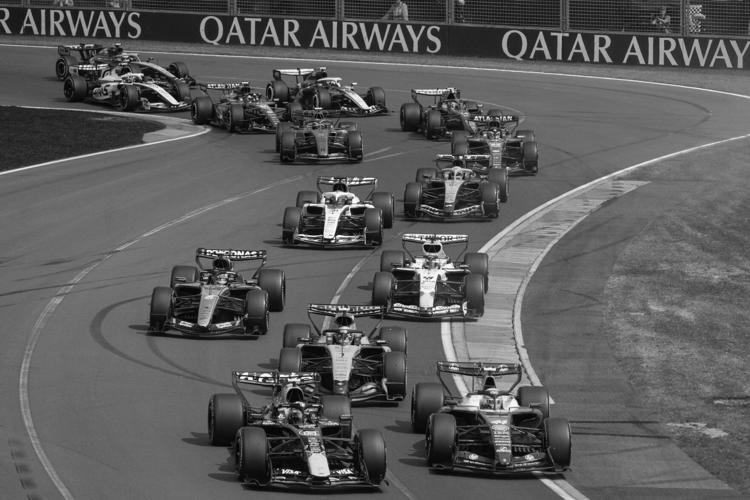
The season-opening Australian Grand Prix in Melbourne offered a dramatic start to the new era. The race featured 120 overtakes , a sharp rise from the 45 recorded at the same event last year , something Formula One officials highlighted as proof the new rules are working. A thrilling multi-lap fight between George Russell of Mercedes and Ferrari’s Charles Leclerc added to the excitement for fans.
The revised regulations place heavy emphasis on energy management and electrical power deployment , forcing drivers to think carefully about when to activate performance boosts. Leclerc said the new system rewards strategy as much as bravery, explaining that every activation of the boost button can create consequences later in the race.
Mercedes appeared to gain the early advantage under the new rules. Russell secured victory while teammate Kimi Antonelli finished second , giving the team a dominant one-two result. Ferrari briefly challenged but lost ground after a strategy error allowed the Mercedes drivers to control the race.
Not all drivers are convinced the new era is a success. Lando Norris , the reigning world champion, described the new cars as “probably the worst” he has driven in Formula One, echoing earlier criticism from Max Verstappen . Some drivers argue that overtakes now rely too heavily on straight-line speed boosts rather than traditional corner battles.
Safety concerns have also surfaced. Norris warned that large speed differences between cars using electrical power and those conserving energy could increase the risk of major accidents.
The debate is likely to continue as the championship moves to the Chinese Grand Prix , a circuit expected to favour the new energy-focused design.