
Explosions, Violence And Arson: Bangladesh On Edge As Tarique Rahman Faces Growing Crisis
Bangladesh is witnessing a fresh wave of political violence, with homes of Awami League leaders being torched, shops looted and crude bombs exploding across Dhaka, putting Prime Minister Tarique Rahman under pressure to restore order. The attacks have largely targeted leaders and supporters of former Prime Minister Sheikh Hasina’s Awami League.
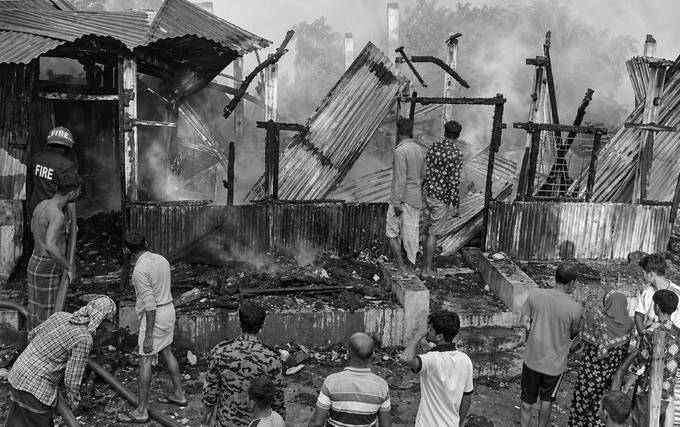
In Narail district, dozens of homes and shops belonging to Awami League leaders and activists were attacked, looted and set on fire. The houses of former lawmakers BM Kabirul Haque Mukti and Mushfiqur Rahman Liton were among the targets. BNP supporters are alleged to be behind the attacks, with fire service personnel reporting that 20–30 houses were engulfed in flames. Similar attacks on former Awami League leaders’ homes have been reported across the country over the past week.
The violence has spread beyond political strongholds. A government company staff bus, a truck and a bank were targeted in overnight arson attacks, while crude bombs exploded inside government colleges in Dhaka. Police have arrested suspected Awami League activists and seized explosives and bomb-making materials in Cox’s Bazar. The Border Guard Bangladesh has deployed 95 platoons across seven districts, including two battalions in Gopalganj, Hasina’s constituency. School examinations in Pabna have also been suspended following clashes between BNP and Awami League supporters that left several people injured.
The unrest is compounding Bangladesh’s economic troubles, with workers protesting over wages and rising living costs. Clashes with police and factory shutdowns have disrupted production. A Bangladesh Garment Manufacturers and Exporters Association survey estimated factory production losses at over $400 million in November, while international buyers have shifted orders to competing countries. The garment industry accounts for over 80% of export earnings and employs around four million people.
The situation has revived memories of the 2024 uprising, when student protests against government job quotas escalated into a mass movement that forced Hasina from power and drove her into exile in India. Economic hardship, political polarisation, street protests and arson are once again testing Bangladesh’s stability.
Seeking to prevent further escalation, Rahman has invited parties involved in the July 2024 uprising for talks, urging anti-fascist forces to unite on sovereignty, national security and democracy. His first meeting was with the National Citizen Party (NCP), formed by student leaders of the uprising. The party has said national unity must rest on clear commitments and demanded an apology for past broken promises, dissolution of the constitution amendment committee and an oath to the constitution reform council.
However, political dialogue faces several challenges, including the Awami League’s continued influence, Hasina’s possible return in December, labour unrest and deteriorating law and order. Rahman has accused the banned Awami League of trying to destabilise the country. Yet attacks on its leaders’ homes have raised questions about the government’s ability to protect political opponents.