
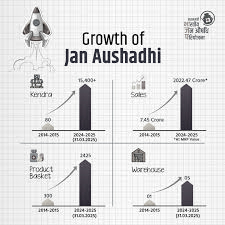
Expansion of Jan Aushadhi network raises questions on ground-level impact
The rapid expansion of the Pradhan Mantri Bhartiya Janaushadhi Pariyojana (PMBJP) , with more than 18,000 Jan Aushadhi Kendras now operational across the country, has been projected by the government as a major step toward making healthcare affordable. The scheme aims to provide low-cost generic medicines to the public, reducing dependence on expensive branded drugs.
However, concerns persist over whether the growth in numbers has translated into effective service delivery. Reports from several states indicate that many Kendras face irregular supply of medicines, with instances of stock shortages and delays affecting availability of essential drugs. Patients are often forced to turn to private pharmacies when medicines are unavailable at these outlets.
Despite assurances regarding the quality of generic medicines, a perception gap continues among patients and sections of the medical community. Doctors’ preference for prescribing branded drugs and limited public awareness have slowed the wider adoption of generics under the scheme.
The distribution of Kendras has also raised concerns, with a significant concentration in urban and semi-urban areas, particularly within government hospitals. Rural and remote regions, where affordable medicines are most needed, continue to face access challenges.
Market factors further complicate the scheme’s impact. While medicines under PMBJP are priced lower, competition from private pharmacies offering similar generics in some areas reduces the scheme’s price advantage. Additionally, stakeholders have pointed to limited incentives for entrepreneurs operating Kendras, affecting their long-term viability.
Supply chain management remains another area of concern. Although the government has implemented an IT-enabled logistics system, last-mile delivery issues continue to disrupt consistent availability, especially in remote regions.
The scheme operates alongside initiatives such as the Free Drugs Service Initiative under the National Health Mission , but gaps in coordination between programmes have led to concerns about inefficiencies in procurement and distribution.
While the expansion of Jan Aushadhi Kendras marks a significant policy push to reduce healthcare costs, experts note that addressing operational gaps and improving integration with the broader health system will be critical to ensuring that the scheme delivers tangible benefits to patients.