
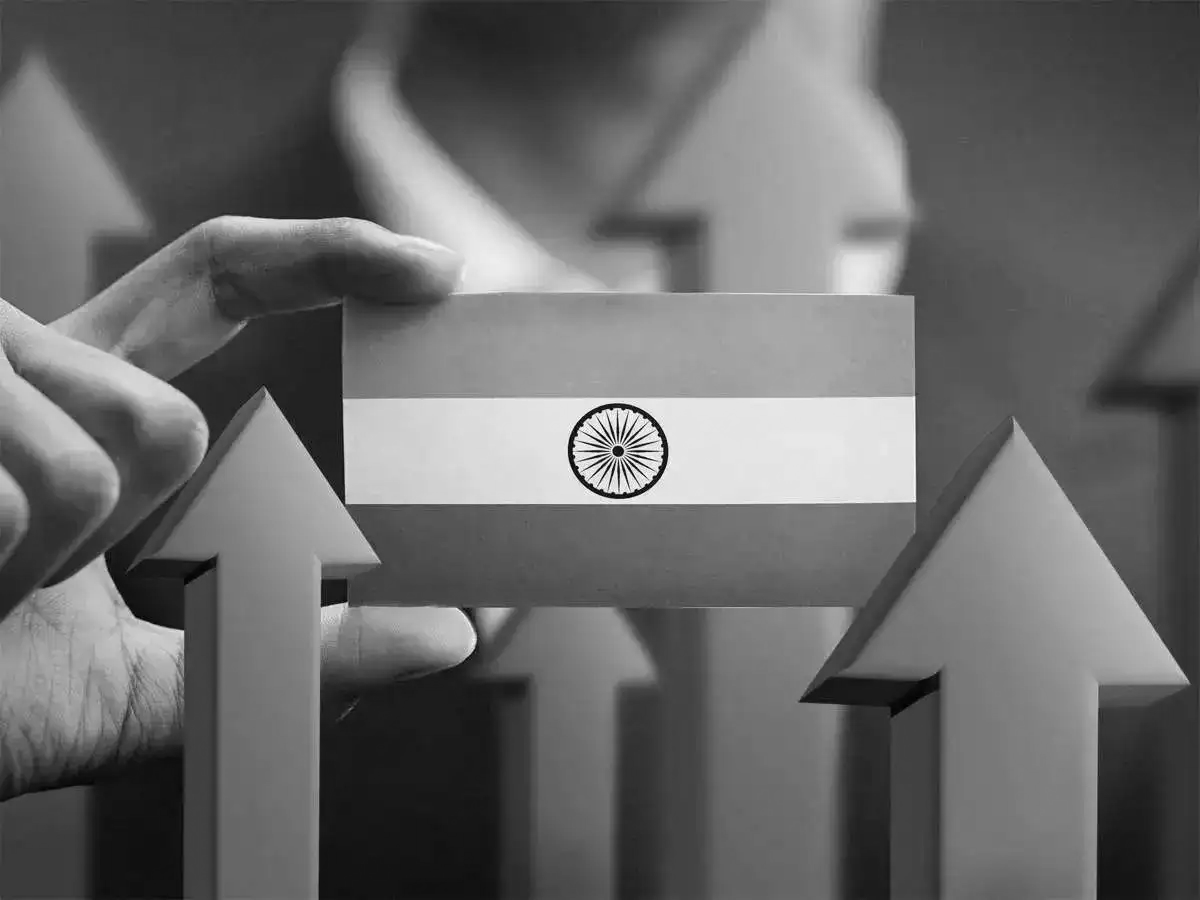
Evidence, Economy, Empowerment - India aligns reforms with 2047 Goals
As India charts its course toward becoming a $10-trillion economy by 2030 and a fully developed nation by 2047, the government is emphasizing data-driven policies, economic reforms, and citizen-focused governance. From recent fiscal measures to initiatives enhancing public data availability, the strategy aims to strengthen the middle class and accelerate inclusive growth.
The Ministry of Statistics and Programme Implementation (MoSPI), in collaboration with the Centre for Development Studies (CDS), Thiruvananthapuram, recently organized the Data User’s Conference on the Time Use Survey (TUS) 2024. Nearly 175 delegates, including researchers, policymakers, economists, and media representatives, attended the conference, which focused on improving data quality, usability, and policy relevance.
In the inaugural session, Dr. Saurabh Garg, MoSPI Secretary, highlighted the Ministry’s vision of “Data for Development,” emphasizing that quality-of-life indicators, gender disparities, and unpaid work are as crucial as GDP in tracking national progress. He also stressed the importance of using TUS data to inform human development policies and ensure economic interventions are inclusive. Experts at the conference underlined that surveys like TUS are critical for capturing the hidden contributions of unpaid labor and integrating them into macroeconomic indicators. Panel discussions recommended incorporating digital access patterns, supervisory care, and voluntary versus obligatory unpaid work into future surveys.
The Time Use Survey (TUS) tracks how people spend their daily hours on activities such as paid work, household chores, caregiving, education, and leisure. It highlights unpaid labor, often ignored in GDP calculations. For example, a man who works an eight-hour office job and spends three additional hours helping his elderly parents or volunteering in the community contributes both economically and socially. TUS captures this total time use, revealing hidden contributions. Such data helps policymakers understand gender roles, care work, and social patterns, allowing for better welfare programs, labor policies, and inclusive economic planning that reflect real-life efforts.
India’s first-quarter economic results of 2025 have outperformed several major economies, reflecting strong growth in services, manufacturing, and digital sectors. To sustain this momentum, the Finance Ministry has introduced key reforms aimed at both economic growth and citizen welfare. Simplification of the income tax structure has put more disposable income into the hands of salaried families, allowing greater financial flexibility. Revisions in GST rates have reduced the cost of essential goods and services, making everyday consumption more affordable while easing compliance for small businesses. Targeted rate cuts in sectors such as housing, consumer goods, and industrial products are expected to stimulate domestic demand, making home ownership and investments more accessible to ordinary citizens.
India provides extensive government data through official portals, including data.gov.in, mospi.gov.in, rbi.org.in, niti.gov.in, censusindia.gov.in, and india.gov.in, covering economic, social, and demographic information. These platforms support research, policy planning, and public use. For data not publicly available, citizens can file Right to Information (RTI) requests via rti.gov.in or respective state portals, such as Maharashtra’s and Telangana’s RTI sites. Some open data portals also offer RTI contact points. By combining open data and RTI mechanisms, individuals, researchers, and journalists can access authoritative datasets, enabling evidence-based decision-making, transparency, and informed analysis of India’s economic and social development.
The government has also faced criticism over perceived gaps in public access to official data, with opposition slogans such as “NDA – No Data Available” highlighting concerns over transparency. In response, MoSPI has implemented several measures to strengthen data availability and usability. Digitized portals, interactive dashboards, and institutionalized surveys like TUS enable individuals, researchers, and policymakers to track social and economic progress in real time. Collaborations with research institutions and the hosting of Data User Conferences aim to ensure that official statistics are reliable, comprehensive, and actionable. These measures enhance transparency, foster public trust, and allow policies to reflect the actual needs of the population.
For example:
COVID-19 Deaths and Vaccination Data – During the pandemic, discrepancies between official death tolls and independent estimates raised questions about data transparency. A national survey indicated that India's cumulative COVID-19 deaths by September 2021 were six to seven times higher than reported officially. While the government launched an extensive vaccination campaign, concerns were raised about the lack of comprehensive data on adverse events following immunization, which could have addressed vaccine hesitancy and improved public trust.
Rafale Deal Transparency – The 2016 Rafale fighter jet deal has been controversial, with allegations of corruption and lack of transparency. Despite the Supreme Court’s 2018 ruling clearing the government of wrongdoing, questions persist regarding pricing and decision-making. Recent reports suggest that the Rafale jets underperformed during a brief conflict with Pakistan, prompting calls for greater transparency in defense procurement.
Waqf Properties Data Gaps – The management of Waqf properties has faced criticism due to inadequate data and oversight. Over 4.3 lakh Waqf properties have no recorded status, reflecting weak documentation. Discrepancies in official figures further complicate the situation, with petitioners refuting the government’s claim of a 116% increase in Waqf properties, citing lower numbers reported by state Waqf boards.
By combining fiscal reforms with improved data transparency, the government is strengthening the role of the middle class in driving inclusive growth, bridging short-term economic gains with long-term developmental objectives. Accurate and accessible data enables evidence-based decision-making, supports human development policies, and ensures equitable progress across society. Experts emphasize that while GDP growth is important, true development combines economic output, social equity, quality of life, and environmental sustainability. The government’s ongoing efforts signal that India’s middle class is central to national development, bridging citizen welfare with the broader vision of a $10-trillion economy by 2030 and a developed nation by 2047.