
Everyone Holds the Cards. Putin Just Showed Iran Isn’t Holding Them Alone
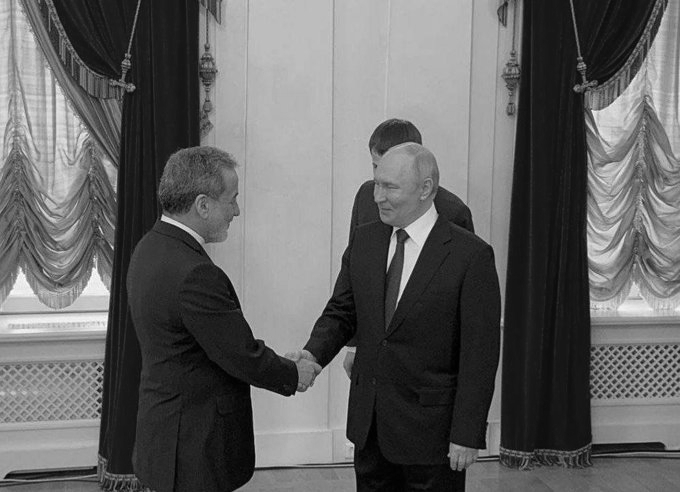
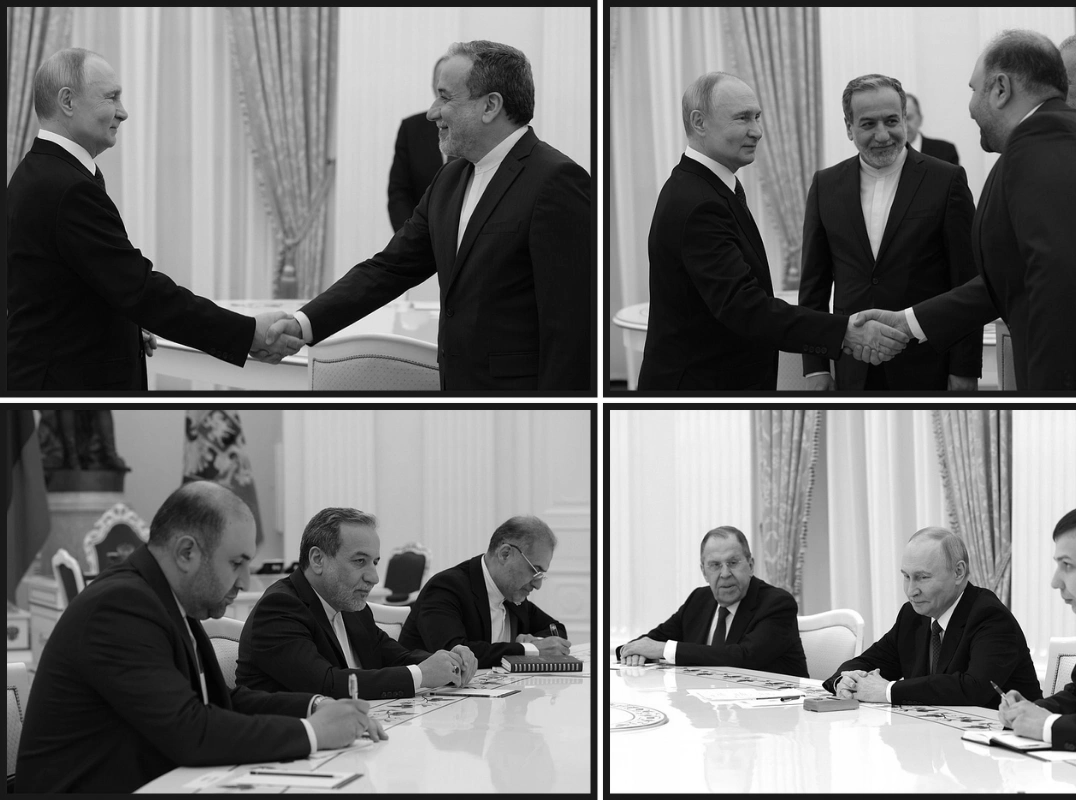
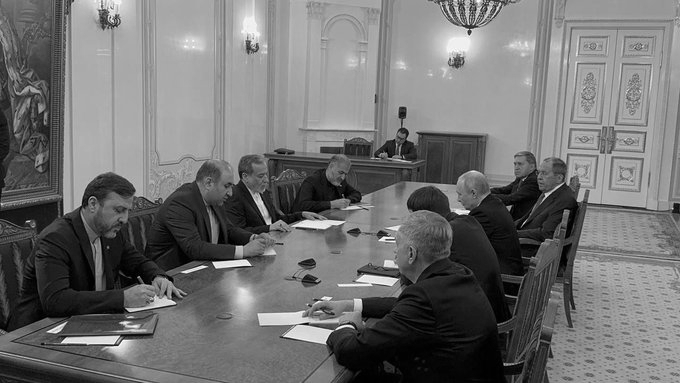
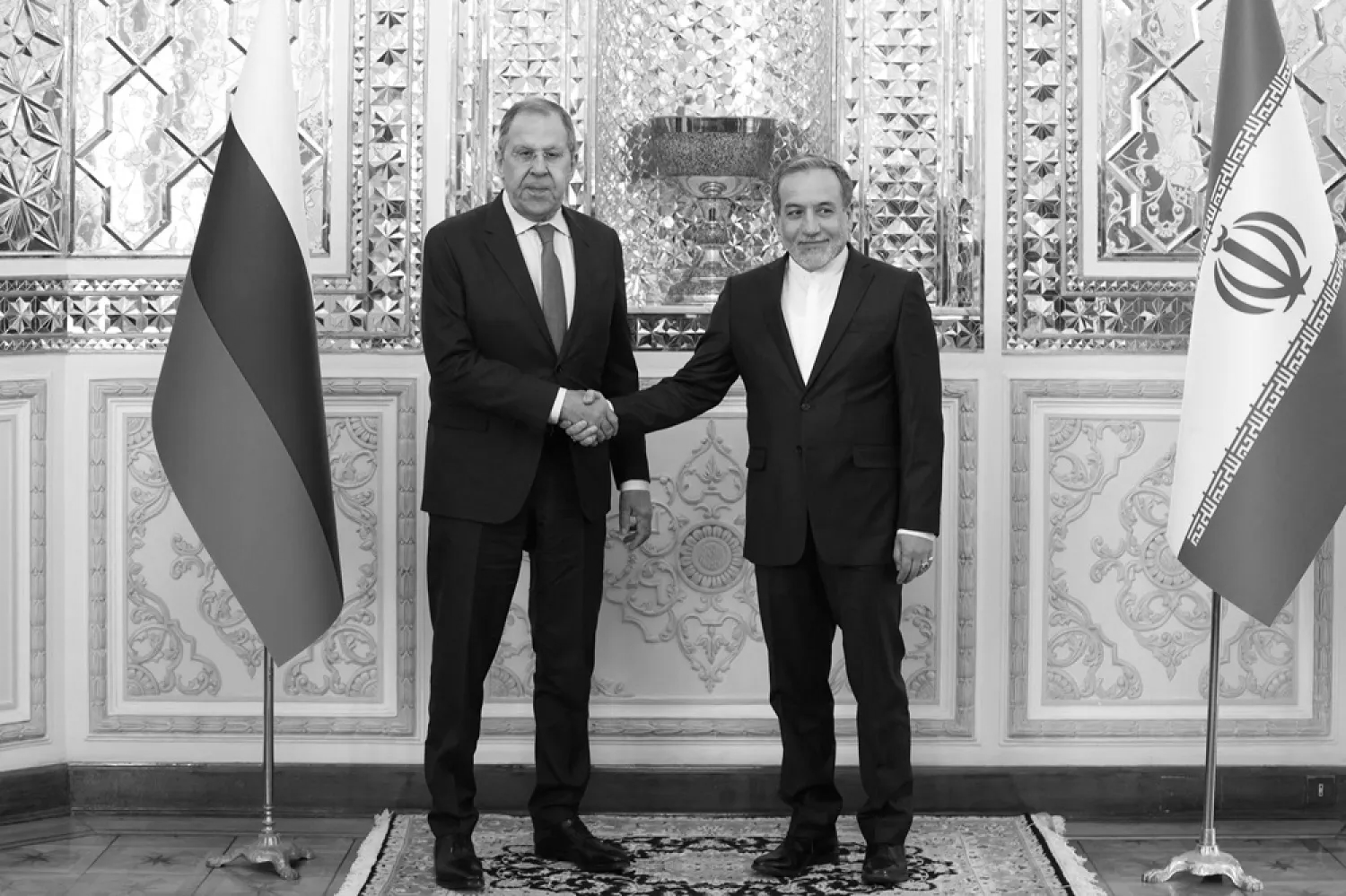
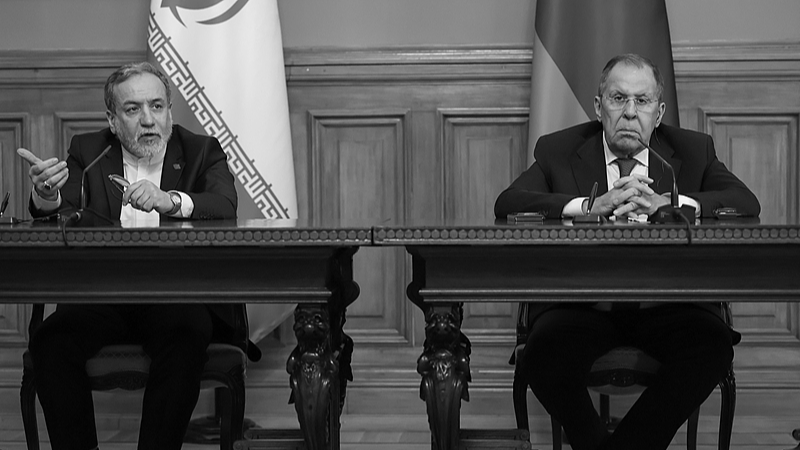
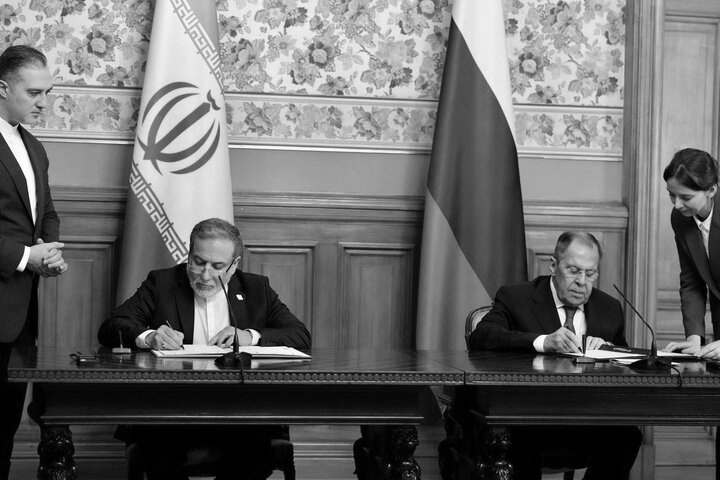
The most important signal in the Iran crisis this week did not come from Washington or Tehran , but from Moscow . When Iranian Foreign Minister Abbas Araghchi met Russian President Vladimir Putin , the message was unmistakable: Iran may be under extraordinary military and economic pressure, but it is not isolated.
Putin’s public statement that Russia will support Iran’s interests was carefully worded. It was not a military pledge, but it was a clear geopolitical intervention. At a moment when the US is trying to force Tehran toward submission through military threats, naval pressure, and sanctions, Moscow has positioned itself as Iran’s diplomatic shield and a power that expects influence over any final settlement.
That matters because this conflict is now at a genuine hinge point. Donald Trump’s threat on April 19 to destroy “every single power plant and every single bridge in Iran” may have been intended as pressure, but it also boxed Tehran into a corner. For Iran’s leadership, especially after surviving the assassination of its supreme leader, openly negotiating under such threats risks looking less like diplomacy and more like surrender.
The collapse of the Islamabad talks reflected exactly that problem. Despite intense mediation by regional players, no breakthrough emerged. Reports suggest Araghchi himself acknowledged divisions within Iran’s leadership over how to respond to Washington’s nuclear demands, while domestic hardliners warned against concessions.
Iran’s latest proposal appears tactical: reopen the Strait of Hormuz and reduce immediate hostilities if the US lifts its blockade, while pushing nuclear negotiations to a later stage. In effect, Tehran is offering short term de escalation without surrendering its core leverage.
That is why both sides are using nearly identical language. Tehran insists it “holds key cards.” Washington says “the United States holds the cards.” When both adversaries believe they have leverage, conflict tends to stretch rather than resolve.
This is where Putin’s meeting with Araghchi becomes crucial. By publicly backing Iran while avoiding direct military promises, Russia has increased Tehran’s strategic breathing room without fully owning the war. Araghchi’s declaration in Moscow that the US had achieved “not a single war goal” was aimed not just at Iran’s domestic audience, but at reinforcing Russia’s value as a counterweight to American pressure.
For the US, this complicates everything. Sanctions on Chinese linked oil networks and shadow fleets may tighten economic screws, but with Russia visibly supporting Iran and China resisting sanctions pressure, Washington risks facing not just Tehran, but a wider geopolitical balancing coalition.
The greatest danger now is not simply war, but miscalculation. Iran believes time, oil disruption, and global economic pain are leverage. The US believes sanctions and force can still break Tehran. Russia believes prolonged uncertainty weakens Washington.
By meeting Araghchi and publicly backing Iran, Putin did not promise Tehran victory. He offered something potentially just as important: proof that Iran is not fighting this crisis alone, and that any path forward now runs through more than just Washington’s demands.