
EU Sanctions Hamas Leaders and Israeli Settlers, Blocks Broader Trade Measures
The European Union has agreed to impose a targeted sanctions package against Hamas leaders and individuals and organisations linked to the Israeli settler movement , marking a rare breakthrough after years of internal deadlock over Middle East policy.
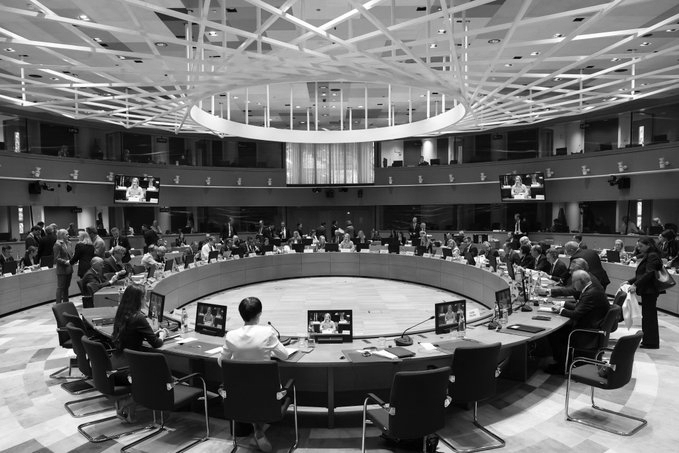
The decision was reached unanimously by the 27 EU foreign ministers after long-standing resistance, previously driven largely by Hungary under former Prime Minister Viktor Orbán, was removed following political change in Budapest.
EU foreign policy chief Kaja Kallas said the bloc had finally moved “from deadlock to delivery,” stressing that extremism accountability measures are necessary as violence escalates in Gaza and the West Bank.
French Foreign Minister Jean-Noël Barrot confirmed that the sanctions will include asset freezes and travel bans targeting selected Hamas figures and settler-linked organisations accused of supporting or carrying out violence in the occupied West Bank . Early reports indicate the list includes a small number of individuals and groups tied to extremist activity.
However, EU ministers failed to agree on wider economic pressure measures , including restrictions on imports from Israeli settlements or suspension of the EU–Israel Association Agreement , despite proposals led by several member states such as Spain and Ireland. Diplomats said these measures lacked sufficient consensus.
The decision comes amid rising violence in the West Bank, with UN-linked data reporting increasing settler attacks and displacement of Palestinian communities. At least 40 Palestinians have been killed since the start of the year, according to humanitarian monitors.
Rights organisations including Human Rights Watch welcomed the sanctions but said they remain insufficient to address systemic violations of international law.
Israel criticised the move as politically motivated, while Hamas also rejected the comparison between its leadership and settler-linked actors.
Despite the breakthrough, EU officials acknowledge the measures remain limited and symbolic in scope , with deeper divisions continuing over long-term strategy, trade policy, and broader conflict resolution efforts.