
EU leaders meet to counter pressure from Russia, China, Trump
European Union leaders gathered Thursday at the 16th‑century Alden Biesen castle in Belgium for an informal retreat aimed at charting a new strategic course as the bloc faces mounting global pressures from the United States under President Donald Trump, assertive Chinese economic tactics and hybrid threats from Russia. The meeting, convened by European Council President António Costa, brought together heads of state and government alongside key thinkers and policymakers to discuss how to strengthen the EU’s economic competitiveness and strategic autonomy.
All 27 EU leaders were invited to participate in the informal retreat, and several were confirmed or widely reported as attending discussions throughout the day. Finnish Prime Minister Petteri Orpo was due to travel to Belgium for the summit, underlining his engagement with the agenda.
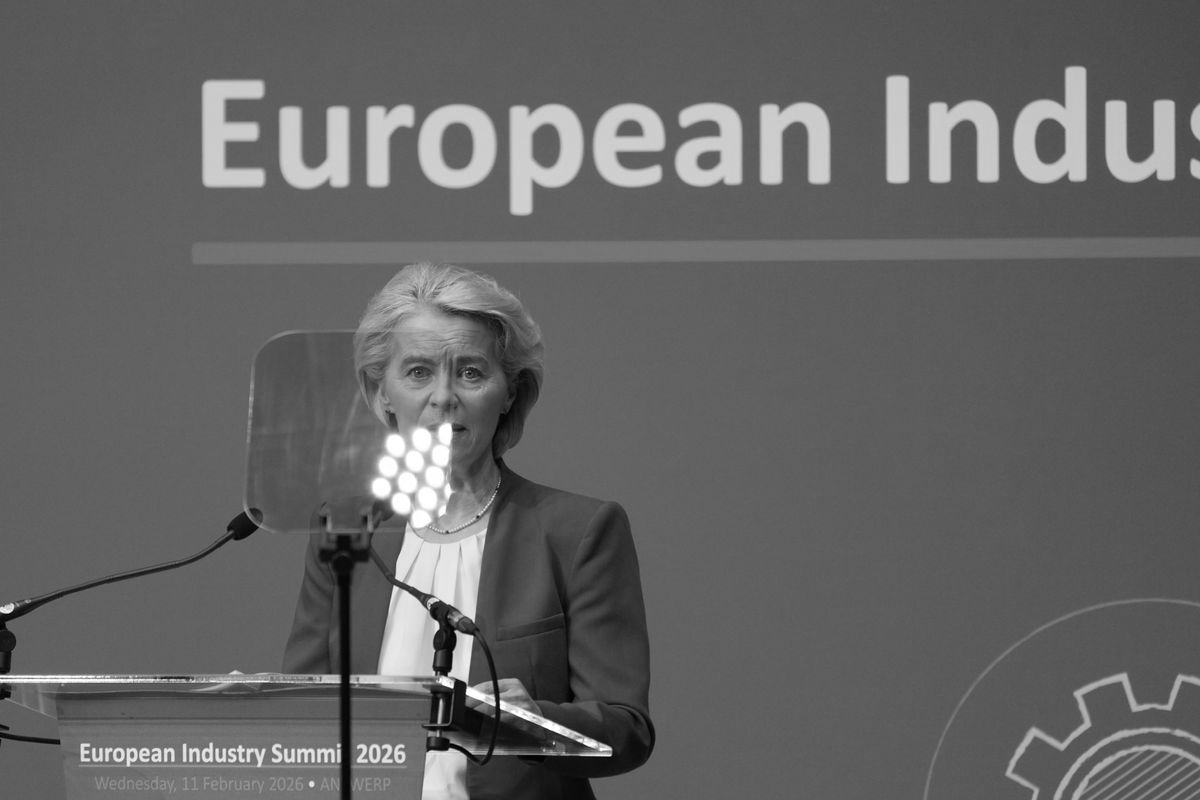
European Commission President Ursula von der Leyen played a central role in the discussions, pressing for regulatory simplification and deeper integration of the single market to enhance the bloc’s competitiveness against the world’s largest economies — the United States and China. “The urgency could not be greater,” von der Leyen said ahead of the meeting, stressing that Europe’s companies need capital and fewer barriers to thrive.
French President Emmanuel Macron also took part in the retreat, advocating for a stronger industrial base and a “European preference” for key sectors such as clean tech, automotive and defence. Macron reiterated that Europe must “start acting like a power” on the global stage, emphasizing both economic and geopolitical leadership.
German Chancellor Friedrich Merz was present and emphasized the need for deregulation and competitiveness to reverse industrial decline, aligning with similar concerns raised by Italian Prime Minister Giorgia Meloni . These leaders argued that reducing red tape and completing the single market would help EU firms compete internationally.
In addition to national leaders, influential external contributors were invited to the meeting. Former Italian Prime Ministers Mario Draghi and Enrico Letta joined the retreat to share insights from their 2024 strategic reports on boosting European competitiveness and completing the single market, helping frame long‑term discussions for the bloc.
The programme also included an exchange of views with the President of the European Parliament , underscoring the institutional breadth of the conversation at Alden Biesen.
Industry voices echoed political urgency ahead of the gathering. The Antwerp Declaration Community - representing over 1,300 companies and trade unions called on EU leaders to deliver “urgent and bold action” to restore industrial competitiveness, with senior executives warning that Europe is losing industrial capacity at unprecedented speed if structural reforms are not pursued.
While the retreat did not aim to produce formal decisions, leaders were expected to feed the insights into the formal European Council summit scheduled for late March , where commitments on competitiveness, regulatory reform, trade and strategic autonomy will be more concretely defined.