
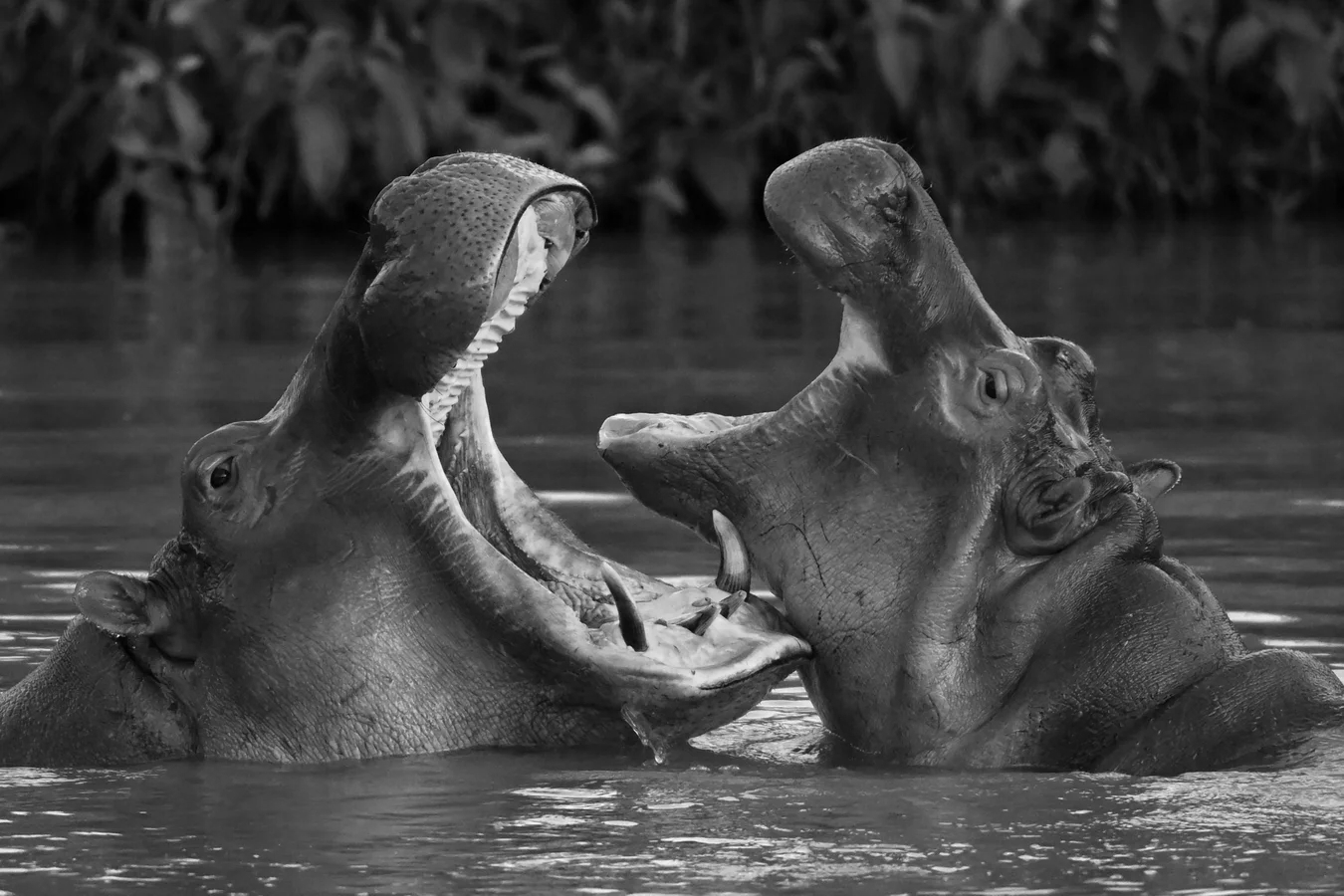
Escobar’s Hippos Spark Ecological Crisis in Colombia as Culling Plan Divides Nation
Colombia is facing an unusual environmental crisis rooted in the legacy of Pablo Escobar , whose illegally imported hippopotamuses have multiplied into a large invasive species population across the Magdalena River basin. From just a few animals at Hacienda Nápoles in the 1980s, their numbers have grown to over 200 and are projected to rise sharply in the coming years, as the country’s climate and absence of predators provide ideal conditions.
For local communities, especially in areas like Puerto Triunfo, the hippos represent both danger and opportunity. Fishermen face increasing risks due to the animals’ aggressive behaviour, which has already disrupted livelihoods and reduced fishing activity. At the same time, the hippos have become a key driver of tourism , drawing visitors and supporting local businesses, creating a complex balance between livelihoods and public safety .
Scientists warn that the expanding population poses a serious ecological impact , as hippos alter water systems by adding organic waste, reducing oxygen levels and threatening fish and native species. Without intervention, experts believe the situation could escalate into a long-term environmental crisis , with irreversible damage to river ecosystems.
To address this, the Colombian government has proposed a control plan involving euthanasia , alongside sterilisation, relocation and confinement. While officials argue that limited culling is necessary for population control , the plan has triggered intense debate. Animal rights groups oppose the move as inhumane, while many scientists insist it is essential to prevent further damage.
Efforts to pursue alternatives such as relocation have faced major hurdles, including high costs and international restrictions on transferring invasive animals. Meanwhile, local opinion remains divided, with some residents supporting removal for safety reasons, and others fearing economic losses if hippo-driven tourism declines.
Ultimately, Colombia’s hippo situation has become a global case study in balancing conservation , ethics and human needs. With no easy solution, the country must navigate competing priorities to manage a problem that is as much about history and human action as it is about wildlife.