
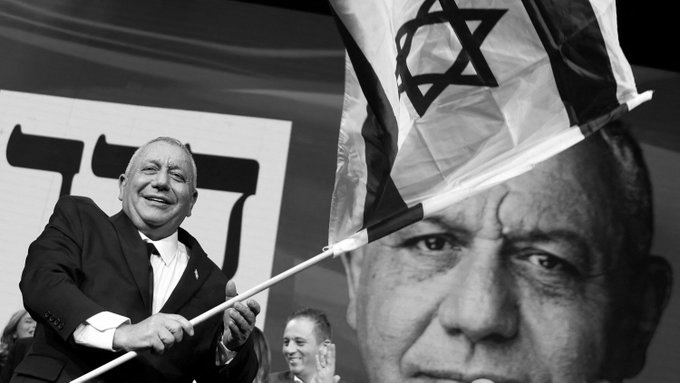
End Of The Road For Netanyahu? Rival Gadi Eisenkot Gets Chance To Form Israel Government
Is it finally game over for Benjamin Netanyahu? Israel's longest-serving prime minister is facing one of the biggest political challenges of his career after his coalition failed to secure a parliamentary majority in the October 27 elections. His biggest rival, former military chief Gadi Eisenkot, has now received the mandate to form the country's next government, potentially bringing Netanyahu's long tenure to an end.
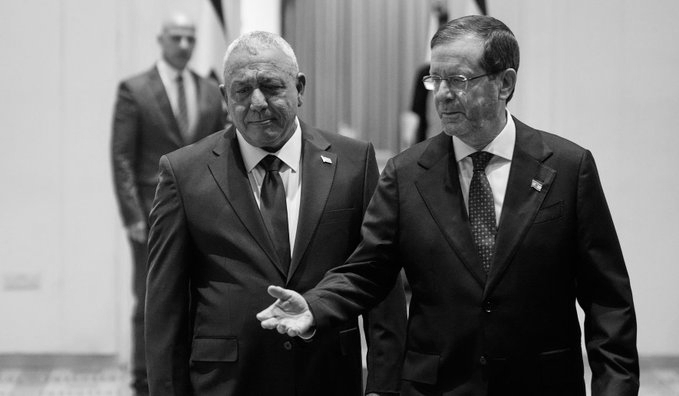
Israeli President Isaac Herzog formally tasked Eisenkot with forming a government on November 8, after consultations with political parties represented in the 120-member Knesset, Israel's parliament. Eisenkot's appointment marks a major setback for Netanyahu, whose Likud party won the highest number of seats but failed to secure enough support to govern.
The election produced a divided parliament, with Netanyahu's bloc winning 53 seats, while Eisenkot's opposition bloc secured 48. Arab-led parties won the remaining 19 seats. Neither side has the 61 seats required for a parliamentary majority.
During consultations with the president, lawmakers representing 67 seats recommended Eisenkot for the task, compared with 46 who backed Netanyahu. Representatives of a party holding seven seats did not recommend either candidate. However, these recommendations do not automatically translate into a governing coalition.
Eisenkot, leader of the centrist Yashar party, now has 28 days to form a government, with the possibility of a further 14-day extension. If successful, he will replace Netanyahu. If he fails, the president could give another lawmaker, potentially Netanyahu, an opportunity to form a government. Failure by both sides could eventually lead to another election.
The biggest challenge for Eisenkot is bringing together parties with sharply different political positions. His bloc has only 48 seats, meaning he needs additional support to reach the 61-seat threshold. The Arab-led parties, which collectively hold 19 seats, have backed his bid, but cooperation with them remains controversial among several Jewish-led political parties.
Other disagreements involve military service exemptions for ultra-Orthodox Jewish men and the future direction of Israel's government. These divisions could complicate efforts to turn the parliamentary recommendations into a stable coalition.
Meanwhile, Netanyahu is attempting to keep his political options open. His bloc is eight seats short of a majority, and he has ruled out working with Arab parties. Instead, he has called for a broad national unity government involving parties from the national and Zionist camps.
However, bringing rival parties together will not be easy. Many of the groups supporting Eisenkot have united primarily around their opposition to Netanyahu, despite significant disagreements on other political and policy issues.