
Emerging from latest blackout, Cuba says ready for any potential US attack
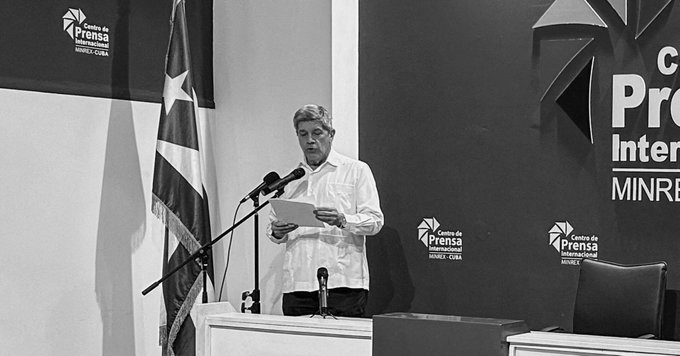
In the sweltering dark of a Caribbean spring, Cuba is fighting on two fronts at once: against a superpower that has threatened to “take” the island , and against a power grid that is slowly, catastrophically, coming apart. The two crises are not unrelated. The Cuban government has said it is prepared for any potential United States attacks as the island begins to recover from yet another blackout under a punishing oil blockade imposed by Washington that has pushed its economy to the brink. On Sunday, Deputy Foreign Minister Carlos Fernández de Cossio responded to President Donald Trump’s threats, insisting that Cuba had “historically been ready to mobilise as a nation for military aggression.” “We don’t believe it is something that is probable, but we would be naïve if we do not prepare,” de Cossio told reporters. Together, these twin crises have pushed this small, defiant nation to the edge of something it has not faced in decades.
Cuba’s government this week declared it is ready to meet any U.S. military aggression head-on , a phrase used before but rarely with such weight. This comes after President Donald Trump , following a previous grid collapse, mused publicly about taking the island: “Whether I free it, take it, I think I can do anything I want with it. They’re a very weakened nation right now.” He did not clarify whether he meant military action, and his administration did not deny pursuing regime change.
The fuel crisis drives the turmoil. In January, U.S. tariffs effectively closed Cuba’s remaining supply lines. Venezuela, which provided about 35,000 barrels of oil a day, cut shipments after President Nicolás Maduro was arrested. Cuba’s Vice Minister of Energy confirmed three months without diesel, gasoline, fuel oil, aviation fuel, or LPG, with domestic production covering barely 40% of needs.
The result has been repeated blackouts , with the national grid collapsing three times in March alone. The latest, on March 21, began at the Nuevitas thermoelectric plant and left only 72,000 customers in Havana, including five hospitals, powered in a city of nearly two million. Flights are suspended, workplaces cut hours, and fuel is rationed. Hospitals, tourism, and agriculture are all affected.
Daily life is a slow-motion disaster. Trash piles up, cooking gas vanishes, and residents heat water over wood fires. Many express exhaustion: “If there’s no electricity tomorrow, we won’t be able to get water,” said Suleydi Crespo, a mother of two. Protests are rising, embassies are closing, but allies like Russia and China continue support, and an international aid convoy has arrived.
President Miguel Díaz-Canel has signalled limited flexibility, releasing political prisoners while insisting Cuba will never trade sovereignty for electricity . For now, in the dark and heat, Cuba waits.