
Elon Musk’s X faces India action, pledges ban on illegal content
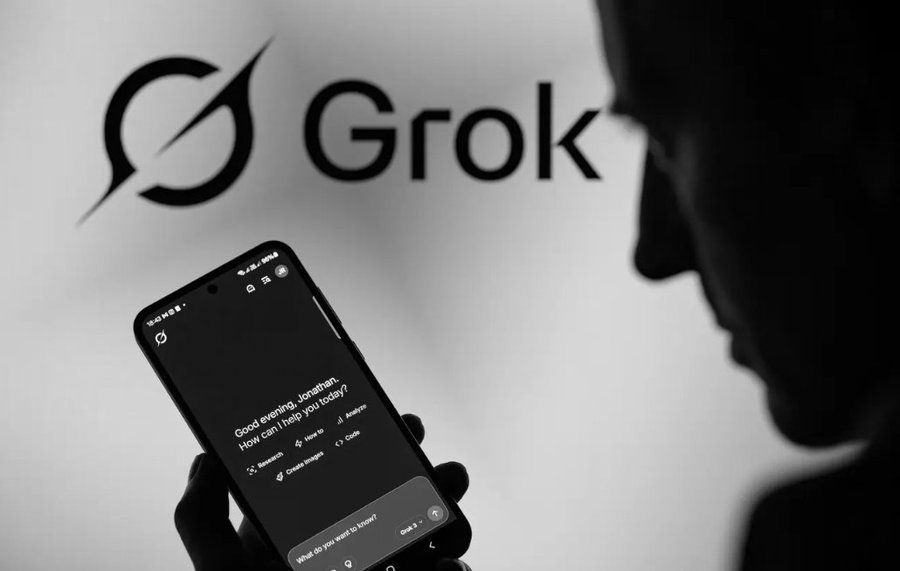
Elon Musk-owned microblogging platform X has said it will take strict action against illegal content on its platform, including material generated through its artificial intelligence service Grok , by removing such posts, permanently suspending accounts involved, and cooperating with governments and law enforcement agencies where required.
The statement, issued by X’s Global Government Affairs handle on Sunday, came amid mounting scrutiny from Indian authorities over the circulation of vulgar, obscene and unlawful content on the platform. It followed an earlier post by Musk himself, who warned that users misusing Grok to generate illegal material would face the same consequences as those uploading such content directly.
“Anyone using or prompting Grok to make illegal content will suffer the same consequences as if they upload illegal content,” Musk said, responding to concerns over the creation of inappropriate images using the AI tool. The Global Government Affairs team later reiterated this position, stressing that X enforces its rules uniformly across human- and AI-generated content.
Under X’s platform rules, “illegal content” includes Child Sexual Abuse Material (CSAM) , content that violates local laws on decency and obscenity, material promoting violence or unlawful activity, and content that involves harassment, exploitation, or serious privacy violations. The company says such content is not tolerated under any circumstances.
X’s policies do allow the sharing of consensually produced and distributed adult nudity or sexual behaviour , provided it is properly labelled and not prominently displayed. However, the platform draws a clear line between lawful adult content and material that is obscene, non-consensual, exploitative or prohibited under national laws.
According to X, enforcement measures include the immediate removal of illegal content , permanent suspension of accounts responsible for creating or sharing it, and, in severe cases, cooperation with local governments and law enforcement agencies . The platform maintains that these steps are essential to protect users and ensure compliance with legal obligations across jurisdictions.
The company’s stance has gained urgency in India after the Ministry of Electronics and Information Technology (MeitY) directed X on January 2 to immediately remove all vulgar, obscene and unlawful content, particularly that generated through Grok. The ministry also asked the platform to take action against offending users and accounts and submit a detailed Action Taken Report (ATR) within 72 hours.
MeitY said it had received repeated complaints including from members of Parliament and through public representations that certain content circulating on X violated laws related to decency and obscenity. The ministry also flagged instances where Grok was allegedly being misused to create fake accounts and generate or share derogatory and obscene images of women.
Earlier, Rajya Sabha MP Priyanka Chaturvedi had written to Union IT Minister Ashwini Vaishnaw , seeking urgent intervention over what she described as the growing misuse of AI tools to target women with vulgar and demeaning content online.
While X insists its actions are limited to content that violates the law or platform rules, the company’s tightening enforcement has reignited debate over free speech and online expression . Critics argue that broad or vaguely defined categories of “illegal” or “unlawful” content, coupled with swift takedowns and permanent bans, risk suppressing legitimate speech and dissent.
Supporters of stricter moderation, however, contend that stronger enforcement is necessary to curb abuse, protect vulnerable groups, and prevent the misuse of emerging AI technologies.