
Elon Musk Gave USD 1 Million Cheques To Voters, Now Wisconsin Is Asking A Tough Question
A bipartisan Wisconsin elections panel has found probable cause that Elon Musk likely violated state election law by offering USD 1 million cheques to voters during the 2025 Wisconsin Supreme Court election, sending the matter to prosecutors for a possible criminal case.
The Wisconsin Elections Commission voted 5-1 in a closed session to refer two voter complaints to Brown County District Attorney David Lasee’s office. Prosecutors will now decide whether to file charges under Wisconsin’s election bribery law, with 40 days given to respond to the commission.
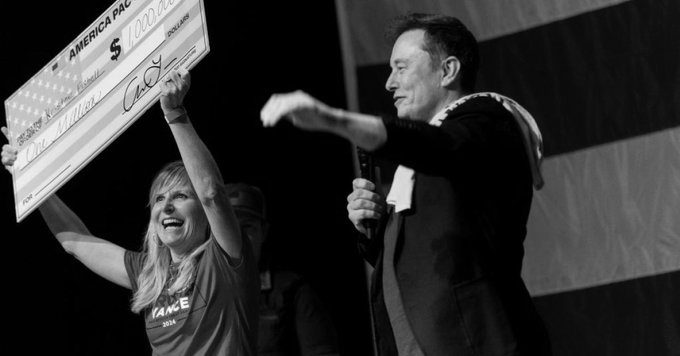
The controversy centres on a March 2025 social media post by Musk, where he said he would personally give two USD 1 million cheques to people who had voted in the state Supreme Court election. The commission said the offer appeared intended “to induce” voters to participate in the election. Musk later changed the wording, saying the money was linked to supporters of a petition against “activist judges.”
Musk’s involvement came during a fiercely contested judicial race between Republican-backed candidate Brad Schimel and Democratic-backed Susan Crawford. Musk and groups aligned with him spent more than USD 20 million supporting Schimel, making the contest the most expensive judicial election in US history, with overall spending exceeding USD 100 million. Crawford won the race by about 10 percentage points, keeping liberal control of the Wisconsin Supreme Court.
At a Green Bay rally days before the election, Musk handed out two USD 1 million cheques. One recipient was the chair of the Wisconsin College Republicans. Musk’s political action committee, America PAC , had also offered USD 100 incentives to voters who signed a petition opposing “activist judges.”
Wisconsin Attorney General Josh Kaul previously attempted to block the payments, but courts rejected the effort. Musk’s lawyers argued the giveaways were protected political speech and aimed at building a movement rather than influencing a specific candidate’s support.
The decision now shifts attention to the Brown County district attorney, who must determine whether Musk’s actions crossed the legal line between political advocacy and unlawful voter inducement.