
Electro-extraction : Nth cycle’s clean tech revolution in metal refining
A breakthrough in electrochemical refining is being positioned as the United States’ answer to its growing dependence on China for critical minerals. The technology, known as electro-extraction, has been developed and commercialized by Nth Cycle, a Massachusetts-based clean technology startup that aims to revolutionize the global supply chain for metals essential to electric vehicles, renewable energy systems, and defense industries.
The company was co-founded by MIT Associate Professor Desirée Plata, CEO Megan O’Connor, and Chief Scientist Chad Vecitis, who sought to create a sustainable alternative to traditional metal refining. Through this process, valuable metals such as nickel, cobalt, copper, and lithium are extracted from electronic and industrial waste without the massive carbon footprint and hazardous chemicals associated with conventional methods.
How Electro-extraction works :
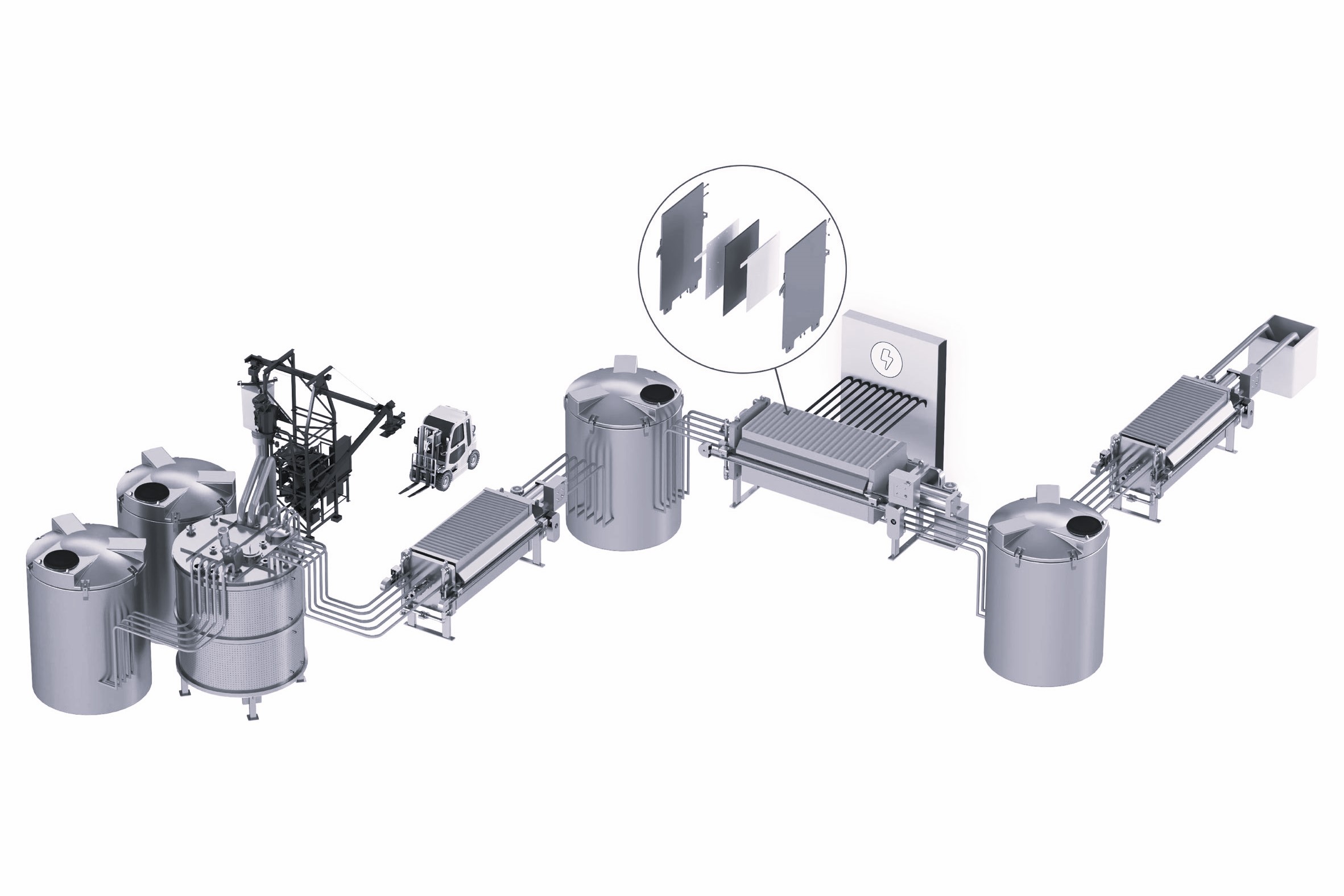
The process of electro-extraction has been designed to mimic the refining chemistry used in conventional plants, but with a cleaner and modular approach. Instead of using fossil fuels and corrosive acids, the system employs electric current, filtration membranes, and chemical precipitation to separate and purify metals.
Metal-rich waste sourced from old electronics, batteries, and industrial catalysts is fed into Nth Cycle’s compact refining unit called “The Oyster.” The waste slurry is subjected to controlled electrochemical reactions, which selectively attract ions of target metals toward electrodes, allowing them to be deposited and recovered as high-purity compounds.
By relying solely on electricity, the technology can be powered by renewable energy, making the refining process nearly emission-free. “Electro-extraction is one of the cleanest ways to recover metal,” it was explained by Plata.
Unlike centralized refineries that require billions of dollars and years to build, Nth Cycle’s systems can be deployed rapidly, co-located with battery recyclers, mines, or manufacturing facilities. Each unit is modular, processing more than 3,000 metric tons of scrap material per year, and can be tailored to recover different metals based on feedstock composition.
Advantages over traditional refining :
Traditional refining depends heavily on thermal smelting and acid leaching, which generate toxic byproducts and consume vast quantities of fossil fuels. These methods have been increasingly concentrated in China, where approximately 85 percent of the world’s critical minerals are refined.
By contrast, Nth Cycle’s process significantly reduces greenhouse gas emissions, hazardous waste, and operational costs. It allows waste material once considered environmental liabilities to be converted into valuable resources. This shift could enable the U.S. and Europe to develop localized supply chains, improving both economic resilience and national security.
According to O’Connor, “America is an incredibly resource-rich nation; it's just a matter of extracting and converting those resources for use. That’s the role of refining.”
Drawbacks and technical challenges :
Despite its promise, electro-extraction technology faces several technical and scalability challenges. One limitation lies in the energy intensity of the electrochemical process. While the system is designed to run on renewable power, large-scale deployment would still require significant electrical input.
Another challenge is the variability of feedstock. Waste streams from electronics or batteries differ widely in composition, which can complicate the optimization of extraction parameters. The selectivity of electrodes and membrane durability under prolonged operation are also concerns that are still being refined through ongoing research.
Moreover, while Nth Cycle’s systems are modular, their production capacity remains small compared to the massive output of industrial refineries. Scaling up to meet global metal demand will require extensive manufacturing, logistical coordination, and partnerships with recycling and mining firms.
Environmental experts have also noted that although chemical use is reduced, certain electrolytes and precipitating agents may still pose disposal challenges, particularly in long-term industrial use.
From lab to commercial scale :
Nth Cycle’s first commercial refining system has been operational since last year in Fairfield, Ohio, producing cobalt and nickel from industrial scrap. The facility has been described as the first commercial nickel refining site for scrap in the U.S. Many employees at the site were previously part of the automotive and chemical industries, marking a symbolic shift from traditional manufacturing to clean technology.
The company operates under a “refining-as-a-service” model, owning and operating the systems while allowing clients including recyclers and manufacturers to retain ownership of the final metals.
The startup has received early backing from the U.S. Department of Energy and became part of the MIT Industrial Liaison Program’s STEX25 accelerator. The company’s relocation to the greater Boston area was said to have been influenced by the region’s robust innovation ecosystem and access to technical expertise.
Toward a circular metal economy :
Nth Cycle’s broader mission is to close the loop in the critical mineral supply chain. The firm is currently focused on battery materials but plans to expand into mining waste, which represents one of the largest untapped metal sources in the world.
“The world needs more critical minerals like cobalt, nickel, lithium, and copper,” O’Connor said. “Both recycling and mining need to be refined, that's where our technology comes in.”
If successfully scaled, electro-extraction could be a transformative force, turning waste into a domestic metal supply and reducing global reliance on environmentally harmful refining operations.
Yet, as experts acknowledge, its widespread adoption will depend on how efficiently energy consumption, material costs, and system longevity can be optimized in the coming years.