
El Niño Alert: Is Telangana Prepared for a Water Crisis?
Telangana is heading into the crucial dry months with depleted irrigation tanks, declining groundwater levels and mounting concerns over drinking water availability. The southwest monsoon ended with a rainfall deficit of around 17 per cent, leaving several districts struggling to replenish their water resources. As the state prepares for the summer of 2027, the central question is whether the government can turn its emergency planning into timely action or whether water shortages will deepen before the crisis is brought under control.
Chief Minister A. Revanth Reddy has directed officials to prepare a comprehensive action plan covering drinking water, irrigation, agriculture and electricity until June next year. The government has acknowledged the potential impact of El Niño and the need to protect essential supplies. However, the situation on the ground suggests that preparedness must be measured not by announcements alone, but by reservoir storage, functioning infrastructure, reliable village-level supplies and the support reaching farmers.
Telangana received approximately 17 per cent below-normal rainfall during the 2026 southwest monsoon, according to recent reports. Although the state's overall rainfall classification may differ from the conditions experienced in individual districts, 18 of its 33 districts reportedly recorded deficient rainfall. Hyderabad also registered a significant rainfall deficit. The uneven distribution of rainfall has left several areas facing drought-like conditions, raising concerns about soil moisture, crop health and the availability of water during the coming months.
Recent reports have cited different estimates of affected mandals, ranging from around 215 to 235 in some assessments, while other claims put the number higher. These figures need to be reconciled with the latest official classification. For farmers, however, the distinction between normal statewide rainfall and deficient rainfall in their locality offers little comfort. Crops depend on the timing and distribution of rain, soil moisture and access to irrigation. When rainfall fails during critical stages of cultivation, even a season classified as normal overall can cause substantial losses.
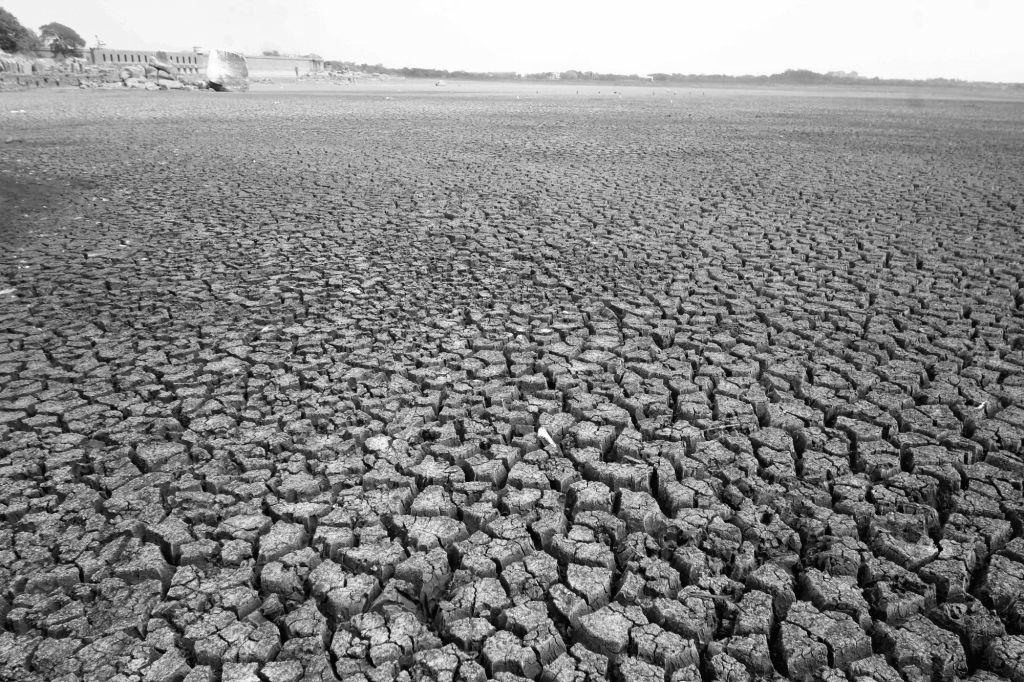
The decline in reservoir storage is one of the clearest indicators of the state's growing water stress. According to Telangana Today, combined storage in reservoirs across the Krishna and Godavari basins stood at 503.43 thousand million cubic feet (TMC ft) on September 30, 2026, compared with 834.92 TMC ft on the same date in 2025. This substantial year-on-year decline highlights the reduced buffer available to meet competing demands in the months ahead. The actual quantity available for use will depend on reservoir-specific storage, operational requirements and water allocations.
Minor irrigation tanks are another major concern because they support agriculture and help recharge groundwater. The South First reported that nearly 17,700 of more than 21,500 monitored tanks held less than half their storage capacity in early October, with many holding very little water. These figures raise an important question: how much water can actually be supplied to farms and communities if substantial inflows do not materialise? The answer depends not only on the quantity stored but also on usable storage, water quality, pumping capacity and the infrastructure needed to move water to areas facing shortages.
Drinking water security is emerging as a major concern, particularly in Hyderabad and vulnerable rural areas. Recent reports have warned that declining reservoir levels could intensify pressure on the city's water supply before the peak of summer. Singur reservoir, an important source for parts of Hyderabad's western corridor, was reported to contain approximately 3.9 TMC ft against a full capacity of 29.9 TMC ft. Osmansagar's storage was also reported to have fallen to around 2.2 TMC ft. These figures have prompted concerns about alternative supplies and the need for area-wise contingency arrangements.
The concerns extend beyond the capital. Hyderabad Mail reported that declining water availability at 76 intake wells had reduced pumping capacity and that disruptions had been reported in nearly 500 habitations. Officials have been identifying alternative sources, including agricultural borewells that could potentially help meet drinking water needs. The immediate challenge is to establish how frequently households are receiving water, which villages face the greatest risk and whether emergency supplies can reach vulnerable communities. Tanker availability, affordability, water quality and the protection of low-income households deserve particular attention.
Groundwater offers another measure of the pressure building beneath the surface. According to figures reported by Hyderabad Mail, the state's average groundwater depth worsened from 4.41 metres below ground level in September 2025 to 7.52 metres in September 2026. The decline matters because borewells have become an important source of irrigation for farmers facing inadequate rainfall and reduced canal supplies. Yet groundwater is not an unlimited reserve. Telangana's hard-rock aquifers can have limited storage capacity, making them vulnerable when rainfall and recharge remain inadequate.
As farmers pump more water to protect standing crops, borewell yields may decline and pumping costs can rise. Households dependent on local wells may also face greater uncertainty. Statewide averages, however, can conceal serious local variations, making district- and mandal-level monitoring essential. Authorities need to identify vulnerable groundwater zones and encourage efficient irrigation, rainwater harvesting and measures that improve recharge wherever feasible.
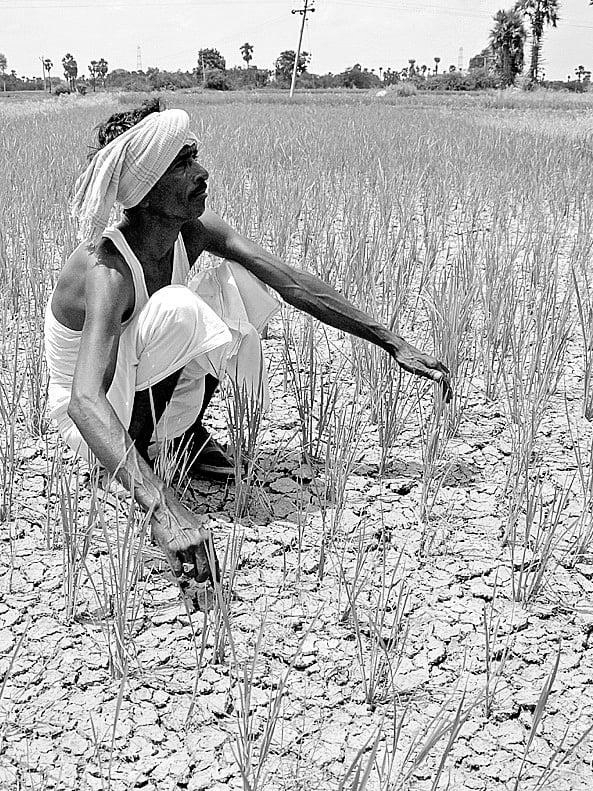
For agricultural communities, the immediate concern is whether available water will last until harvesting. Farmers must weigh the cost of pumping groundwater, electricity reliability, crop requirements and the possibility of losing their investment if water supplies fail. The Agriculture Department's Kharif 2026 contingency plan reportedly advised farmers to consider short-duration and drought-tolerant varieties rather than water-intensive crops such as paddy where conditions warranted a change. The effectiveness of such advice depends on whether farmers received it in time, had access to suitable seeds and could adjust cultivation practices without incurring unsustainable losses.
Officials need to identify crops under stress, assess potential yield losses and communicate practical guidance at the village level. Compensation and relief measures must also be evaluated against farmers' actual needs. A contingency plan has limited value if support arrives only after crops have failed. Field reporting should document crop damage, borewell failures, irrigation costs and the experiences of farmers in the worst-affected mandals.
The crisis also raises questions about Telangana's ability to store, lift and distribute water efficiently. Reports have highlighted operational constraints affecting irrigation schemes, including Kaleshwaram, Palamuru-Rangareddy and Devadula, alongside concerns about the functioning of the Medigadda, Annaram and Sundilla barrages. These issues make it necessary to distinguish between water flowing through a river, water available for the state's use and water that can actually be delivered to a farm. Infrastructure condition, pumping capacity, project operations and water-sharing arrangements all influence the final outcome.
Telangana's efforts to secure its shares of Krishna and Godavari waters remain important. However, inter-State negotiations alone cannot resolve every local shortage. The government must demonstrate how available supplies are being prioritised and distributed, particularly when drinking water and irrigation compete for limited reserves. The operational status of major projects, the quantity of water that can be lifted and the timelines for repairs or maintenance need to be examined against official records.
Water scarcity and electricity demand are closely linked. As rainfall declines, farmers become more dependent on borewell pumping, placing additional pressure on power supply. Telangana Today reported that peak electricity demand reached 19,543 MW in September 2026. The government has indicated that electricity arrangements will form part of its response, including spending on power purchases when necessary. The key questions are whether agricultural supply schedules can be maintained, whether low-voltage problems will be addressed and whether adequate arrangements exist for the months of increased demand. Reliable electricity is essential for irrigation, but pumping more groundwater cannot indefinitely substitute for depleted reservoirs and inadequate recharge.
Chief Minister A. Revanth Reddy has directed officials to coordinate water supply, irrigation, crop protection and electricity measures. The state is also seeking a ₹20,000-crore special assistance package from the Centre for drought-related requirements. Proposed measures have included stronger monitoring, a possible war room, a toll-free helpline and efforts to protect standing crops. These steps indicate recognition of the risks, but their effectiveness will depend on implementation. The government should publish clear district-wise water assessments, identify alternative sources, establish emergency supply thresholds and disclose progress against deadlines. Officials must also clarify which measures are already operational and which remain proposals.
Independent scrutiny is equally necessary. Opposition leaders have criticised the government's response and called for faster relief, while concerns have been raised about missed opportunities to conserve water and operate irrigation infrastructure. Such allegations should be assessed against project records, official data and responses from the departments concerned. A transparent monitoring system could help the public understand how much water is available, how it is being allocated and whether announced measures are reaching affected communities.
Telangana's challenge is not simply to survive a dry summer. It is to manage limited water resources fairly, protect vulnerable households, minimise agricultural losses and improve the state's ability to respond to climate variability. The decisive test will be whether reservoirs are managed prudently, drinking water reaches affected habitations, farmers receive timely support and electricity remains dependable. Transparent data and regular public updates will be essential to establish whether preparedness is keeping pace with the risk.
The warning signs are visible, but the final scale of the crisis is not predetermined. Telangana still has an opportunity to reduce the impact through careful planning, efficient water management and timely intervention. The question facing the government is whether those measures will reach people before shortages become an emergency—and whether the public will be able to judge preparedness by measurable results rather than official assurances alone.