
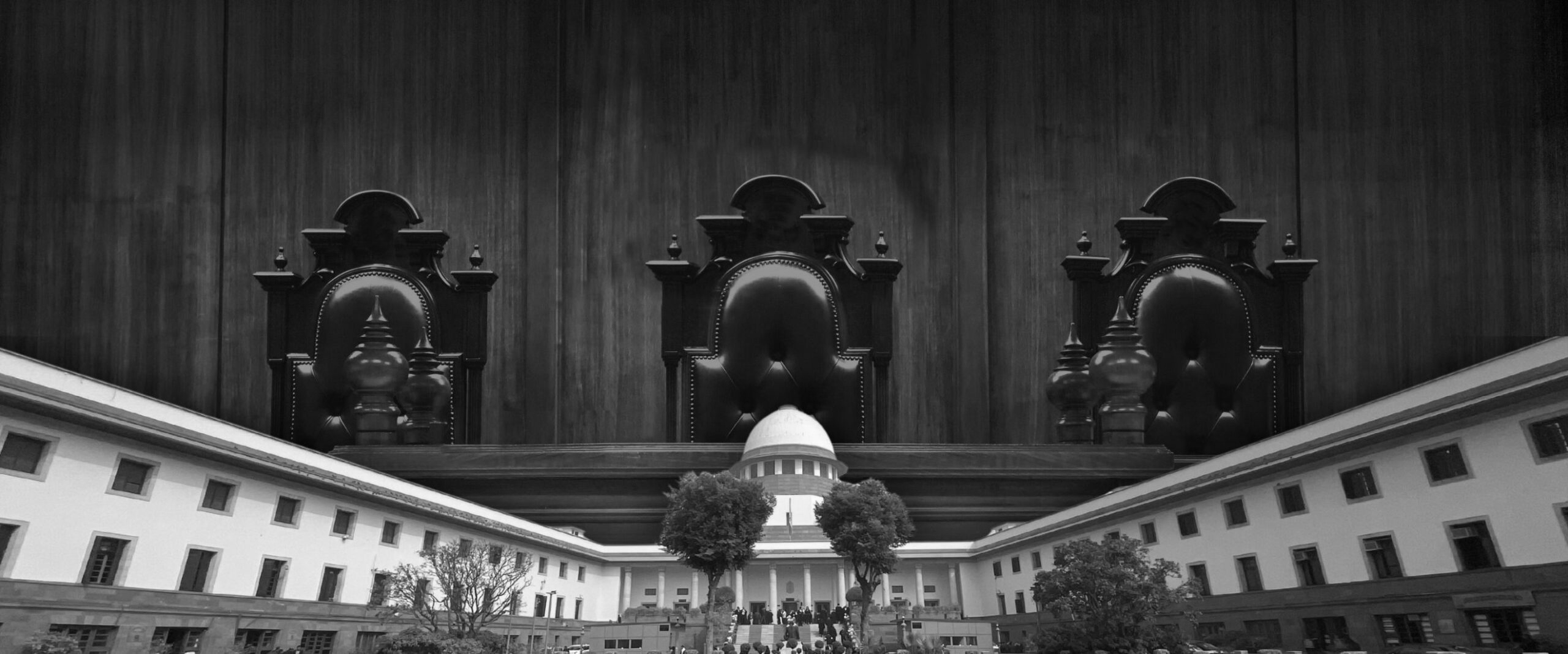
Eight Judges Elevated Permanently as Judiciary Tackles Vacancies and Case Backlogs
The Supreme Court collegium has approved the elevation of eight additional judges as permanent judges in the Madras High Court and the Chhattisgarh High Court , in a move aimed at strengthening judicial capacity and ensuring greater stability in India’s higher judiciary. The decision, taken under the leadership of Chief Justice of India-designate Surya Kant , comes amid persistent concerns over vacancies and mounting case pendency across High Courts.
The collegium cleared the names of Justices R Poornima, M Jothiraman, and Augustine Devadoss Maria Clete for the Madras High Court, while Justices Sachin Singh Rajput, Radhakishan Agrawal, Sanjay Kumar Jaiswal, Bibhu Datta Guru, and Amitendra Kishore Prasad were approved for the Chhattisgarh High Court. Their transition from additional to permanent judges follows a period of assessment based on judicial performance, integrity, and quality of rulings.
Under India’s judicial appointment framework, additional judges are typically appointed for a limited tenure before being considered for confirmation. This process allows the collegium to evaluate their suitability while maintaining flexibility in judicial staffing. However, prolonged reliance on temporary appointments can disrupt continuity. By confirming these judges, the collegium has sought to ensure greater institutional stability, consistency in adjudication, and smoother court administration .
The timing of these appointments is significant. High Courts in India continue to face heavy caseloads and uneven judge strength , which directly impact the speed of justice delivery. Courts like the Madras High Court, one of the oldest and busiest in the country, handle a wide spectrum of cases ranging from constitutional matters to commercial disputes. Enhancing its permanent bench strength is expected to improve case disposal rates and reduce delays. Similarly, in Chhattisgarh, where judicial infrastructure is still expanding, increasing the number of permanent judges is likely to improve accessibility and efficiency in the justice system.
The move also highlights the continuing importance of the collegium system , under which senior judges recommend appointments and elevations to safeguard judicial independence. At the same time, the system remains under scrutiny for issues such as delays in approvals and concerns over transparency. Differences between the judiciary and the executive over appointment timelines have, in the past, contributed to prolonged vacancies, further straining court functioning.
Against this backdrop, the latest confirmations represent more than routine administrative decisions. They reflect a broader institutional effort to address structural gaps, reinforce judicial capacity, and enhance public confidence in the legal system . While such steps help in easing immediate pressures, experts continue to emphasise the need for faster appointment processes and systemic reforms to ensure that India’s judiciary can effectively meet the demands of a growing and increasingly complex litigation landscape.