
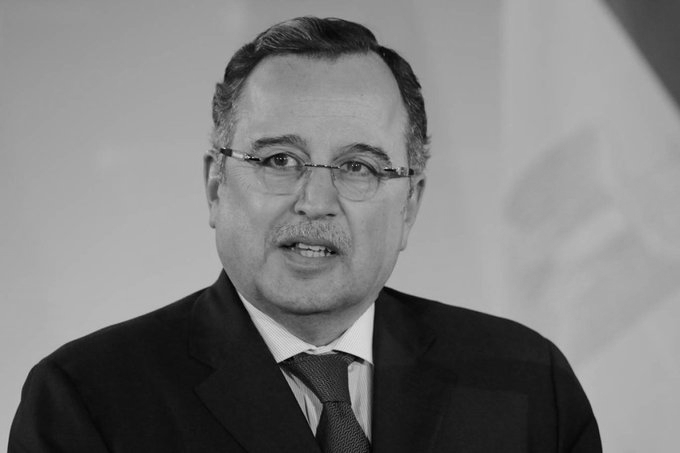
Egyptian diplomat Nabil Fahmy appointed as new Arab League chief
Arab foreign ministers have named veteran Egyptian diplomat Nabil Fahmy as the next secretary‑general of the Arab League , entrusting him with guiding the 22‑member regional organisation at a time of intensifying diplomatic and security challenges across the Middle East. The nomination reflects broad support among member states and underscores Egypt’s continued influence as the host nation of the League’s headquarters in Cairo .
Fahmy, 75, received unanimous backing during the 165th ministerial session of the Arab League Council, the organisation’s principal decision‑making body composed of representatives from all member states, usually foreign ministers. His appointment must still be formally endorsed by Arab heads of state at the forthcoming Arab summit in Saudi Arabia , though this step is widely viewed as a formality. His five‑year term is scheduled to begin on July 1, 2026 , when he succeeds Ahmed Aboul Gheit , who has led the League since 2016.
The Arab League , officially the League of Arab States , was established on March 22, 1945 , to promote cooperation among Arab countries in political, economic, cultural and social spheres. It serves as a forum for dialogue, coordination of policies and mediation of disputes among member states, though its effectiveness has often been limited by internal divisions and differing national interests. Each member has one vote in the League Council, and decisions are binding only on those states that support them.
Under the League’s founding Charter , the Secretary‑General is appointed by the Council with a two‑thirds majority vote of member states and serves a five‑year term . The Secretary‑General heads the General Secretariat , which implements Council decisions, prepares the League’s annual budget and oversees its departments and specialised agencies. Articles of the Charter also grant the Secretary‑General diplomatic rank and assign responsibility for coordinating administrative and financial functions of the organisation.
Although Egypt traditionally nominates the secretary‑general—a practice followed since the League’s creation, except during Egypt’s temporary suspension in the late 1970s—candidates must still secure approval from other Arab states. The position carries considerable symbolic weight as the face of the Arab League on the international stage and as a mediator in regional crises.
Fahmy’s distinguished diplomatic career includes service as Egypt’s foreign minister (2013–2014), a period marked by internal political upheaval, and as Egypt’s ambassador to the United States (1999–2008) as well as ambassador to Japan (1997–1999). He also founded the School of Global Affairs and Public Policy at the American University in Cairo , where he currently serves as dean emeritus. Fahmy is the son of former Egyptian foreign minister Ismail Fahmy , who resigned in protest over Anwar Sadat’s historic visit to Jerusalem , a pivotal moment in Arab diplomatic history that led to Egypt’s peace treaty with Israel.