
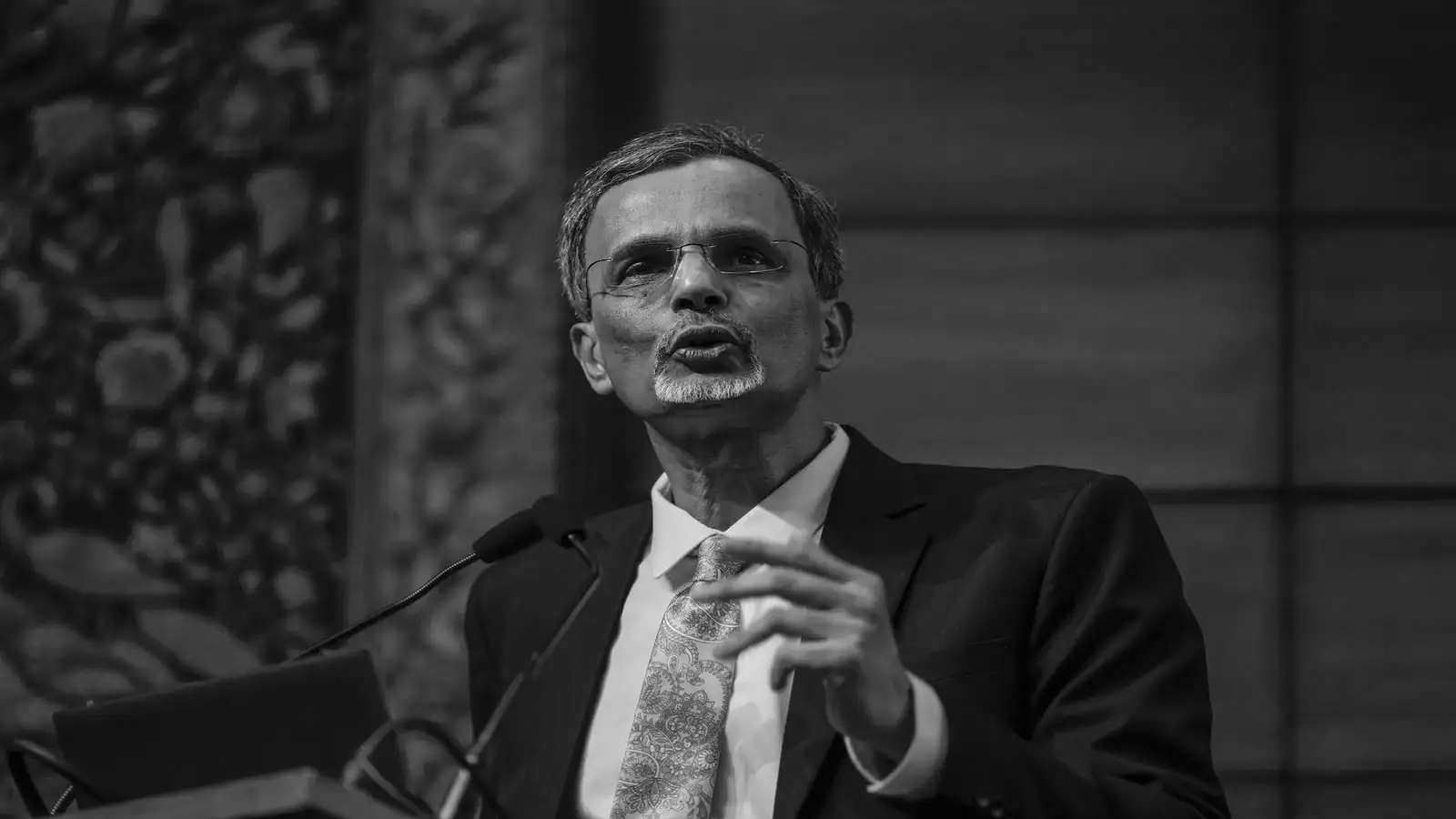
Economic normalisation could take longer: CEA Anantha Nageswaran
India’s Chief Economic Adviser Anantha Nageswaran has cautioned that global economic normalisation may take longer than expected , as ongoing geopolitical conflicts continue to disrupt energy markets, trade flows and inflation dynamics worldwide.
Speaking at conferences organised by the US-India Strategic Partnership Forum and the US-India Economic Forum 2026, he said the global economy is absorbing shocks through multiple channels, making recovery uneven and prolonged.
He identified four key transmission channels: higher energy prices , supply chain disruptions in key commodities , rising logistics and insurance costs, and potential pressure on remittance inflows , particularly from Gulf economies.
Nageswaran said uncertainty around conflicts in West Asia, South Asia and the Asia-Pacific region is complicating the outlook, adding that a return to normal economic conditions will require greater patience.
He noted that India’s landed crude oil import cost has risen to about USD 113 per barrel , reflecting sustained global energy volatility. He also warned that inflationary pressures remain elevated, with external shocks affecting domestic price stability and fiscal conditions.
Recent assessments suggest that the West Asia conflict poses downside risks to India’s growth outlook , including possible pressure on inflation, fiscal deficit management and external balances if tensions persist.
Despite these risks, he said India’s fundamentals remain strong, supported by steady GDP growth , moderate inflation , and improving fiscal consolidation, making it relatively resilient compared to peers.
He highlighted India’s expanding global engagement through trade agreements with the UK, European Union and United States, which would strengthen global value chain integration and help cushion external shocks.
He also pointed to strong public investment momentum, noting that capital expenditure has risen more than threefold in recent years , driving major expansion in highways, railways, ports and inland waterways, improving logistics capacity.