
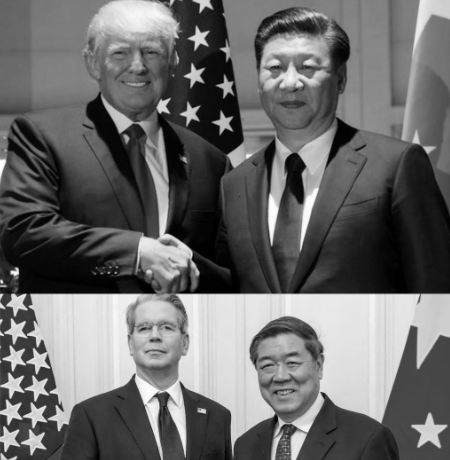
Economic chiefs meet in Paris as Trump prepares for Beijing visit
Senior economic officials from the United States and China have begun the sixth round of economic and trade talks in Paris , a critical diplomatic effort to address long‑standing trade tensions and set the stage for an anticipated summit between the U.S. President Donald Trump and Chinese President Xi Jinping later this month. The discussions are taking place from March 14 to 17 at the Organisation for Economic Co‑operation and Development headquarters, reflecting both sides’ desire to stabilise relations and prepare for Trump’s planned visit to Beijing at the end of March.
The U.S. delegation is led by Treasury Secretary Scott Bessent and U.S. Trade Representative Jamieson Greer, while China’s side is headed by Vice Premier He Lifeng alongside senior trade negotiators. These talks are part of a series of meetings aimed at managing economic friction and reviving cooperation after a tumultuous period of reciprocal tariffs and restrictions.
At the centre of the Paris negotiations are a number of persistent economic disputes that have undercut bilateral trade. Washington is pressing Beijing to roll back high tariffs on Chinese imports imposed during earlier trade confrontations, and to consider greater Chinese purchases of U.S. agricultural and manufactured goods. China, in turn, is pushing for relief from U.S. export controls on advanced technology products that Beijing argues hinder its industrial development.
A particularly sensitive issue continues to be China’s control over rare earth elements , minerals crucial for high‑tech industries ranging from semiconductors to renewable energy equipment. While the two sides agreed during a previous meeting in Busan to suspend some planned export restrictions for a year, supply concerns and market shortages remain a sticking point for U.S. manufacturers.
The talks also unfold amid broader geopolitical tensions that could influence economic negotiations. Ongoing conflicts in the Middle East and instability in global energy markets have heightened strategic concerns, prompting calls from Washington for international cooperation on securing key maritime routes. Such geopolitical issues may weigh on, or complicate, discussions in Paris.
Adding to the pressures is a controversial U.S. “Section 301” trade investigation into China and other trading partners over alleged industrial overcapacity and labour practice issues. Beijing has forcefully criticised this probe as unjustified, warning that it could prompt retaliatory measures and complicate efforts to build trust ahead of the summit.
Despite these challenges, both sides acknowledge the importance of the upcoming state visit, tentatively scheduled for March 31 to April 2, which would mark President Trump’s first trip to China since 2017. Although Beijing has not formally confirmed the visit date, discussions in Paris are seen as crucial groundwork to ensure that leaders can present tangible progress and potentially outline further economic cooperation.
Analysts say expectations for sweeping breakthroughs in Paris may be limited given the complexity of the issues and the relatively short time before the summit. Nonetheless, officials from both countries are under pressure to demonstrate momentum in reducing trade friction, expanding market access and stabilising global economic ties as markets watch closely for signs of accommodation or potential escalation.