
Durgapur gangrape: Mamata’s ‘girls should not be out at night’ sparks outrage, fifth accused held
West Bengal Police on Monday arrested the fifth accused in the alleged gangrape of a second-year medical student from Odisha, following the earlier detention of the fourth suspect. The first three suspects, arrested shortly after the incident on Friday night, were remanded to ten days’ police custody by a local court.
The survivor, from Jaleswar in Balasore district, was reportedly attacked while going out for dinner with a friend near her private medical college in Durgapur. The incident has reignited public outrage over women’s safety in West Bengal, where law and order continues to face scrutiny.
A three-member team from the Odisha State Commission for Women, led by Chairperson Sovana Mohanty, is in Durgapur to meet the survivor and her family. The team will assess her medical care, mental health, and progress of the investigation, submitting recommendations to the Odisha government. Senior Field Officer Bijiyani Singh said the team may also coordinate with West Bengal Police to ensure justice is effectively pursued.
Political tensions have escalated alongside the case. The BJP launched a six-day dharna in Durgapur on Monday, led by Leader of Opposition Suvendu Adhikari, accusing the TMC government of failing to protect women. Adhikari alleged that one of the accused is affiliated with the ruling party and criticized the police for obstructing the protest.
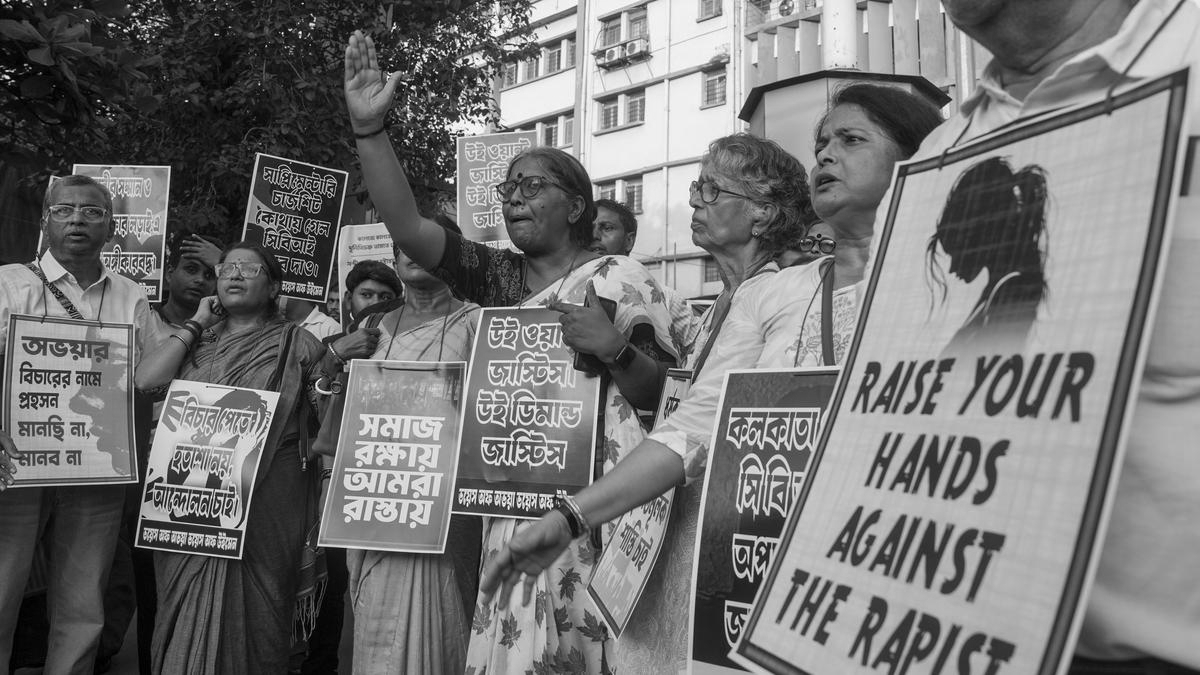
The controversy deepened when Chief Minister Mamata Banerjee stated, “Girls should not be allowed to go out at night,” questioning why the survivor had been permitted to leave her campus at 12:30 AM and emphasizing that private colleges must ensure student safety. The statement drew sharp criticism from multiple quarters: Odisha Deputy Chief Minister Pravati Parida called it “insulting” and demanded a written acknowledgment regarding Banerjee’s lack of empathy; Sovana Mohanty said it reflected a failure to understand the survivor’s trauma; National Commission for Women member Archana Majumdar called it “absurd,” highlighting that women excel in all spheres and should not be confined to homes. Social activists, women’s rights organizations, and opposition leaders also condemned the remark as victim-blaming.
Experts note that such advice shifts responsibility from perpetrators to victims, perpetuating a culture of fear rather than ensuring accountability. In India, accused individuals are often remanded for short periods, and cases drag on for years, leaving survivors burdened with trauma. Political theatrics, including staged protests and statements, frequently overshadow the survivor’s long-term pursuit of justice.
The Durgapur case underscores a bitter reality: in a society and state that culturally worships women, they remain unsafe in homes, public spaces, and educational institutions. Countries such as Saudi Arabia, Iran, and some African nations impose severe punishments for sexual assault, reflecting a zero-tolerance approach, while India’s weaker deterrents contribute to recurring crimes.
This incident highlights systemic neglect, inadequate laws, sporadic enforcement, and a political mindset that often prioritizes optics over justice. Without structural reforms, transparent policing, and strict accountability, women’s safety in India remains fragile decades after independence.