
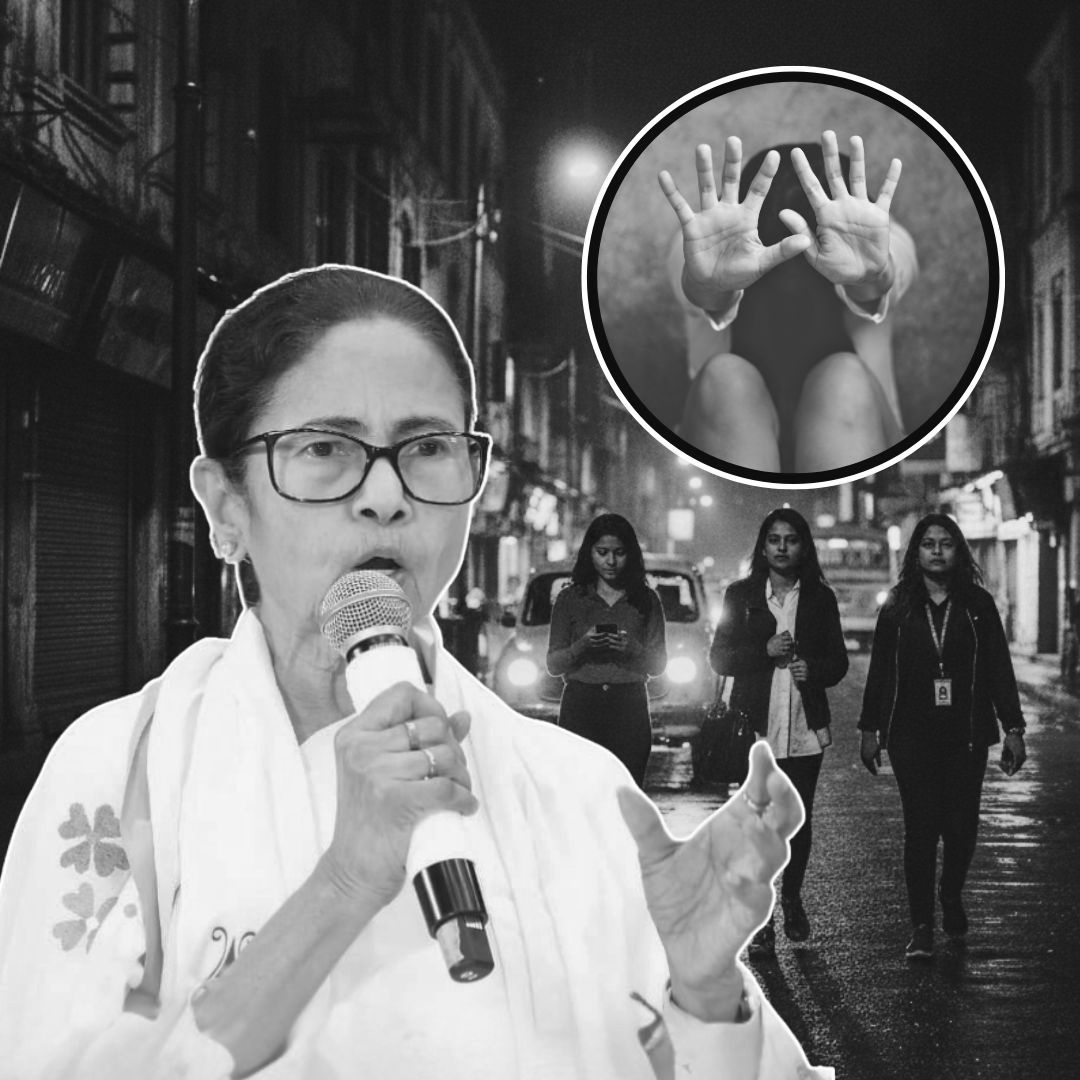
Durgapur gang rape case: Victim’s father apologises to Mamata, urges justice for daughter
The father of the Durgapur gang rape victim has shifted his stance dramatically, moving from sharp criticism of West Bengal’s administration to publicly praising Chief Minister Mamata Banerjee as a “mother-like figure” and seeking her forgiveness. The appeal comes amid his desperate plea for justice for his daughter, a second-year MBBS student from Odisha, who was allegedly gang-raped outside her medical college campus on the evening of October 10 while fetching food with a male friend.
On Wednesday, he told television channels, “Mamata Banerjee is like a mother-like figure to me. If I have said anything wrong, I ask her to forgive me. I will render countless obeisance at her feet. But I ask her to help my daughter get justice.”
Earlier, on Monday, the father had expressed deep frustration and fear for his daughter’s safety, criticising the Chief Minister’s advice that women should avoid going out at night. He had said, “It seems Bengal is under the rule of Aurangzeb. I want to take my daughter back to Odisha. Her life comes first, career later.”
On Wednesday, he indicated that he would consider taking his daughter home once she is declared medically fit. He also reiterated his demand for a Central Bureau of Investigation (CBI) probe into the case, noting that while he believes it would be ideal, the decision ultimately rests with the state administration.
The alleged attack has triggered widespread political and public outrage. Six individuals, including the friend accompanying the victim, have been arrested in connection with the case. The incident has reignited debates over women’s safety in West Bengal, the efficacy of law enforcement, and the political discourse surrounding gender-based violence.
Critically, the father’s reversal, from condemning the state leadership to praising it, reflects the intense pressure victims’ families often face in high-profile cases. While his apology and praise for Mamata Banerjee appear heartfelt, they also underline a broader tension: the struggle of ordinary citizens to secure justice amid a politically charged environment. His call for a CBI investigation signals a lack of complete confidence in local law enforcement, raising questions about whether political affiliations influence the pursuit of justice in sensitive cases.
This case, already polarising public opinion, highlights the delicate balance between personal grief, political narrative, and the urgent need for systemic reforms to ensure women’s safety. As the investigation continues, attention remains on both the le gal proceedings and the state’s response to public demands for accountability.