
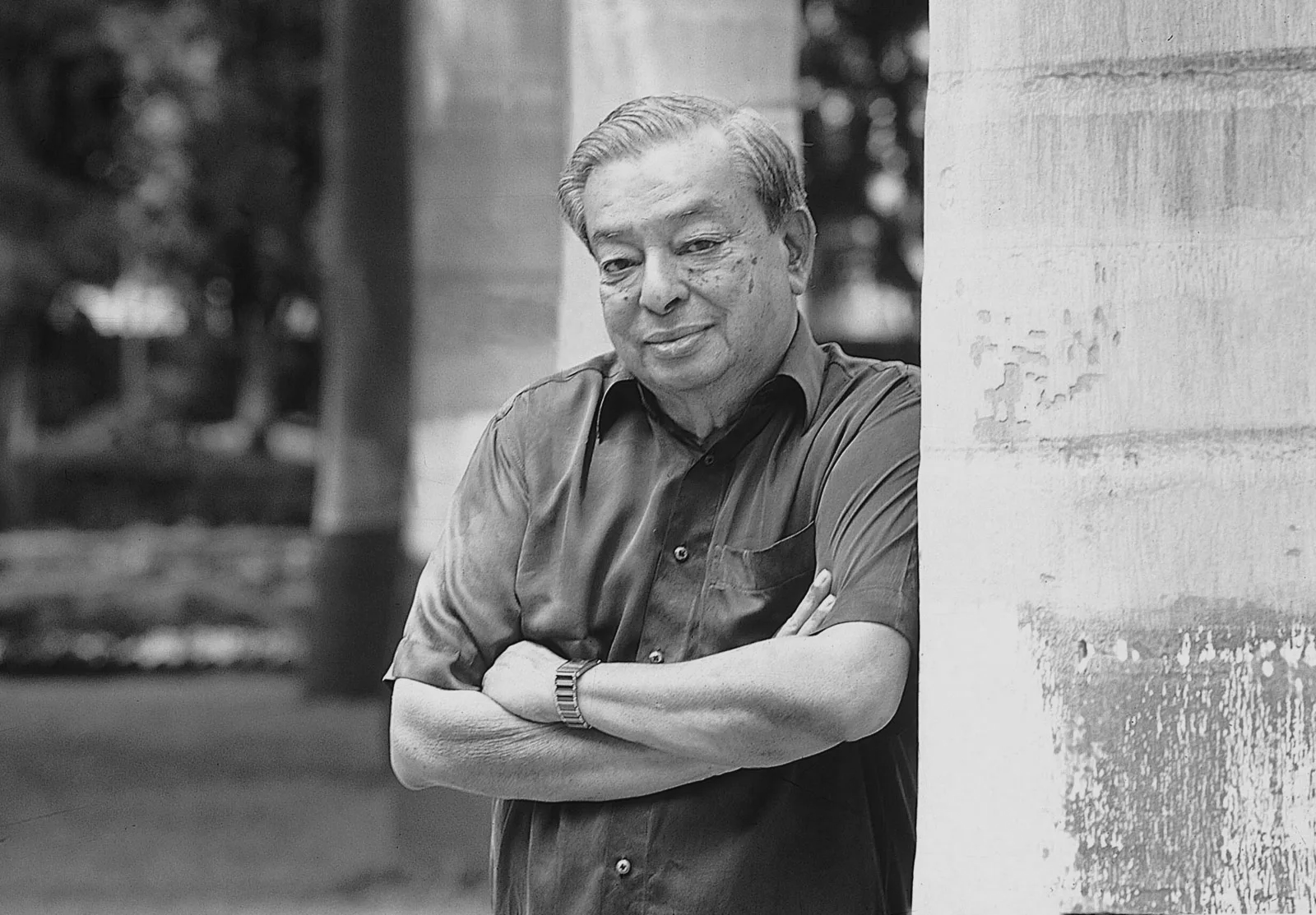
Dr Verghese Kurien: The Engineer who transformed India’s dairy landscape
Often remembered as the Father of the White Revolution, Dr Verghese Kurien stands as one of independent India’s greatest nation-builders, a mechanical engineer who reshaped the country’s rural economy and turned India into the world’s largest milk producer. His life’s work not only powered the growth of Amul but also laid the foundation for a self-sufficient dairy sector that today supports millions of farmers.
Born in 1921 in Kozhikode, Kurien trained as a mechanical engineer before pursuing dairy engineering in the United States. Returning to India, he was posted to the small town of Anand in Gujarat. What began as a routine government assignment soon became a lifetime mission. Witnessing the exploitation of local farmers by private milk contractors, Kurien decided to join hands with Tribhuvandas Patel and the farmers of Kaira district to build a cooperative structure that placed producers at the centre of the value chain.
This cooperative evolved into Amul, a brand that would later become synonymous with quality, fairness and collective ownership. Kurien’s engineering expertise helped modernize the dairy, while his management acumen ensured transparency and efficiency in operations. Under his leadership, Amul grew from a small district cooperative into a national symbol of rural empowerment.
The success of the Anand model soon caught national attention. In 1965, Prime Minister Lal Bahadur Shastri tasked Kurien with replicating this model across the country. As the founding chairman of the National Dairy Development Board, he spearheaded Operation Flood, a pioneering programme that created a nationwide network connecting farmers, cooperatives, processing plants and consumers. It became one of the world’s largest and most successful rural development initiatives.
Operation Flood revolutionised dairy, animal husbandry and rural livelihoods. Millions of farmers, especially women, gained steady incomes, access to veterinary care, modern breeding practices and reliable procurement systems. Milk, once scarce, became widely available across Indian cities, dramatically improving nutrition and food security.
Kurien also believed that professional management was essential for the long-term success of cooperatives. To nurture future leaders for India’s rural institutions, he founded the Institute of Rural Management Anand (IRMA), which went on to become a premier centre for cooperative and development management.
Throughout his life, Kurien remained a strong champion of farmer-owned enterprises. He believed in empowering producers, eliminating middlemen and ensuring that the benefits of modern technology reached rural communities. His work earned him the Padma Shri, Padma Bhushan, Padma Vibhushan, the Ramon Magsaysay Award, the World Food Prize and numerous global honours.
Dr Verghese Kurien passed away in 2012, but his legacy continues to thrive. Every glass of milk consumed across India, every packet of Amul butter on a breakfast table and every cooperative dairy farmer earning a dignified livelihood echoes his vision. He proved that with determination, innovation and compassion, a single engineer could spark a revolution, one that changed the face of rural India forever.