
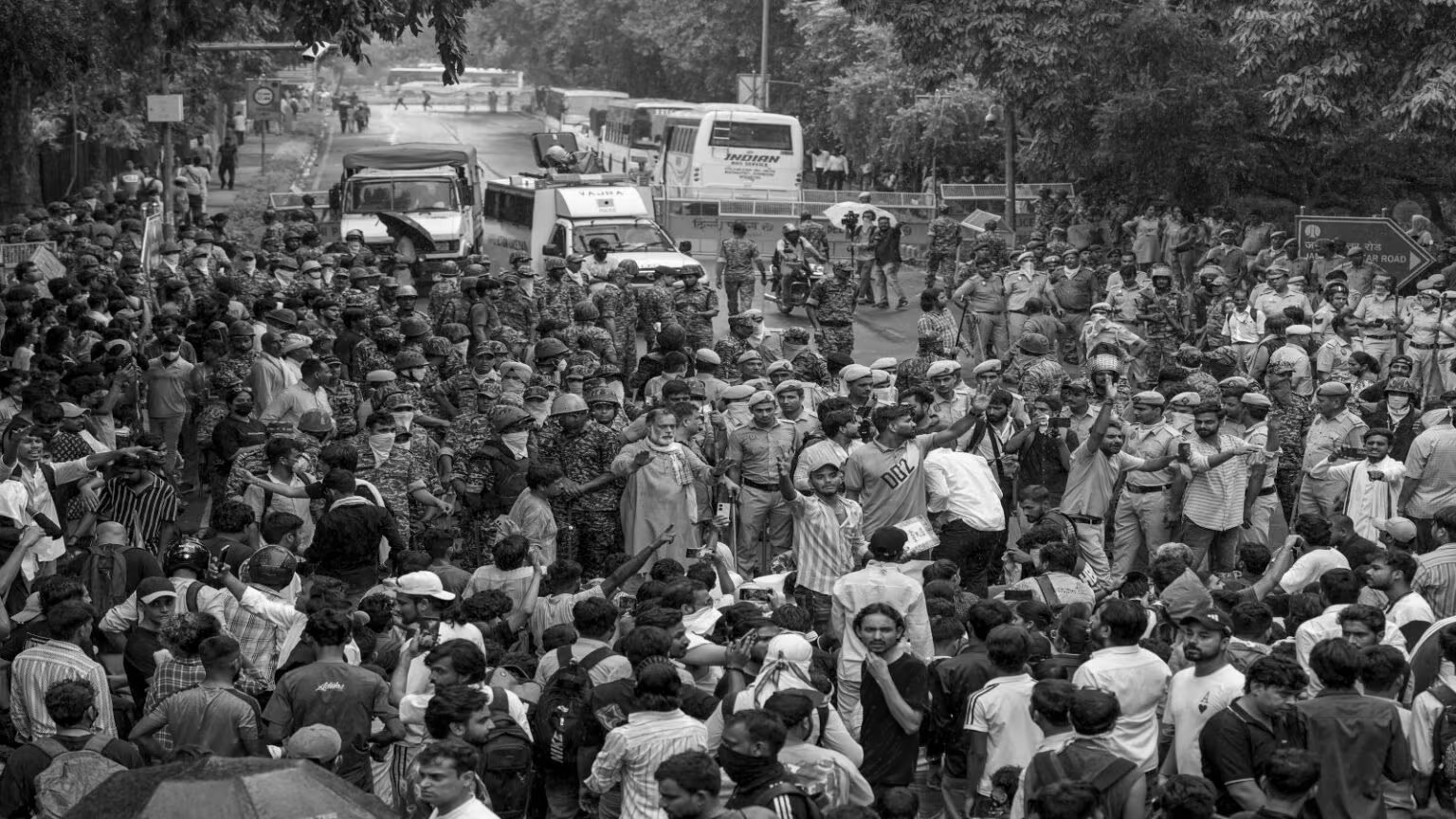
'Don't Waste Our Time': SC Declines Urgent Plea Against Police Action During CJP Protest as Delhi Remains on Edge
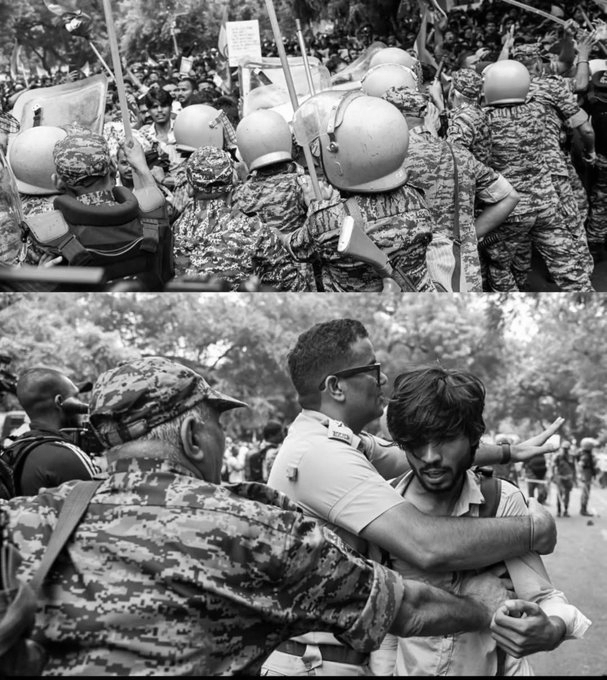
Day three of Parliament's Monsoon Session, and the camp at Jantar Mantar is still standing. Before they were " protesters," they were students. Today, in the middle of it all, one of them may not even survive to tell the story straight, a Rapid Action Force jawan was allegedly chased and assaulted on camera during the CJP march, and police say an FIR has now been registered. That's the headline the government wants you to focus on. Fair enough, violence against anyone in uniform deserves scrutiny. But ask yourself why nobody in power is asking with the same urgency why thousands of students were on that street in the first place, over a paper leak scandal that has reportedly already cost lives and pushed some to the edge of despair.
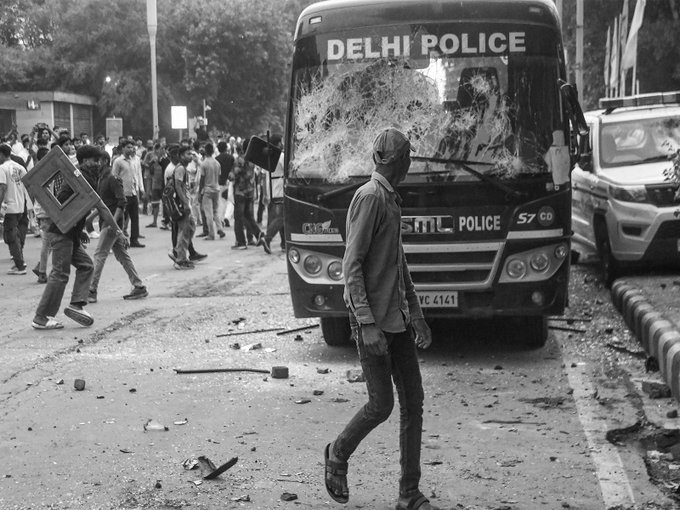
Past midnight, Connaught Place saw a second round of clashes, RAF personnel reportedly targeted again, a police vehicle pelted with stones near Janpath. Two nights of confrontation now, and still, no minister has walked out to actually sit with these students. Instead, the two ministers who did show up, JP Nadda and Jitendra Singh, went to a hospital to meet Sonam Wangchuk, 25 days into a hunger strike, only after a court order forced his shift to better care. That's not compassion. That's damage control, arriving only once a High Court had to intervene.
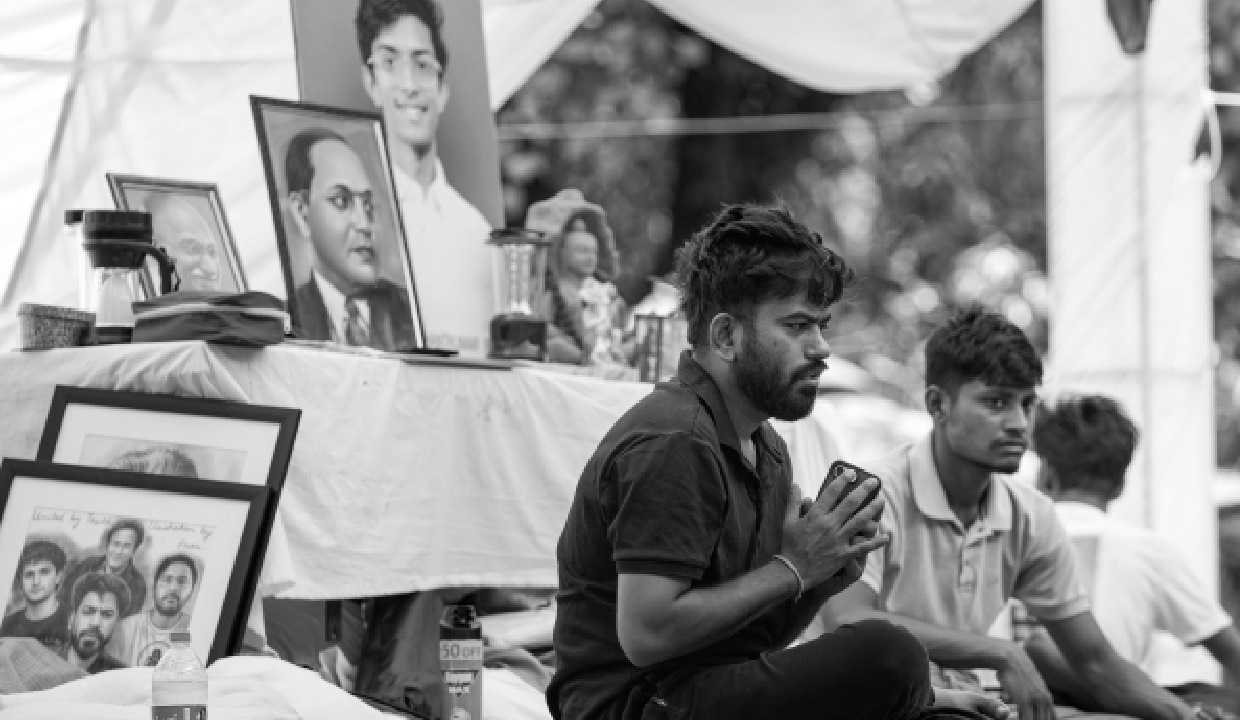
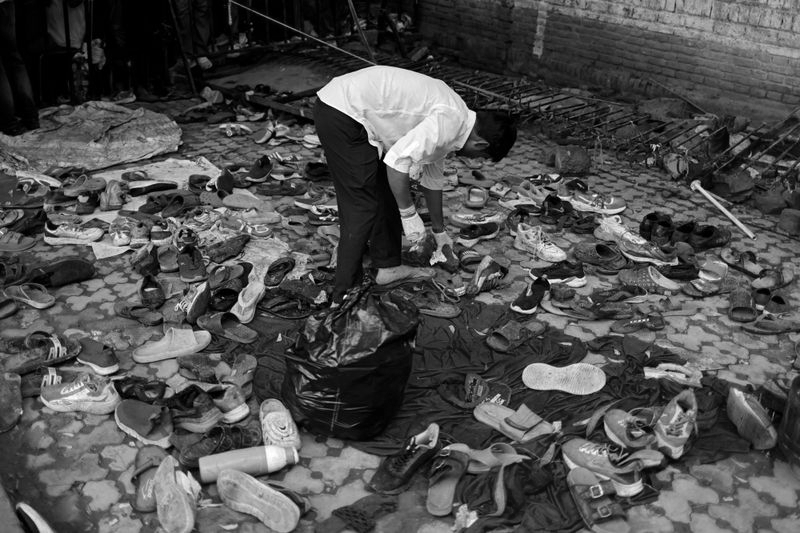
Even Leader of the Opposition Rahul Gandhi wasn't spared. He was detained by Delhi Police during a protest outside the Prime Minister's residence demanding Dharmendra Pradhan's resignation, after asking, according to today's coverage, why 152 paper leaks have produced zero convictions, and demanding the Prime Minister apologise. And yet, undeterred, students who bore visible wounds from the previous day's police action went right back to Jantar Mantar and rebuilt the camp. That image says more about this government's priorities than any press release could. A minister has reportedly gone so far as to call the movement a front for terror groups, not engage with what students are asking, just delegitimise them. That's easier than admitting an exam system meant to decide 24 lakh futures has failed, repeatedly, in plain sight.
Today, the Cockroach Janta Party itself wrote a letter asking Wangchuk to end his fast, worried for his life, while promising the fight for "examination justice" isn't over. Its founder Abhijeet Dipke asked the Prime Minister, plainly, why he's still silent on day twenty-five. That question deserves an answer, not a Mann Ki Baat monologue next month.
Today, in the Lok Sabha, Kiren Rijiju finally said the government is "willing" to discuss the NEET paper leak. Willing, after three days of adjournments, after tear gas, after an FIR, after a hunger strike entering its fourth week. That's not urgency, that's a government cornered into looking reasonable. And in the same breath, the BJP insisted the Centre had remained open to dialogue all along, and that the Opposition is simply spreading a false narrative on the exams. Convenient, when the bruises and the hospital visits tell a different story.
Today, a day after Rahul Gandhi and Mallikarjun Kharge sat in dharna outside the Prime Minister's residence, BJP president Nitin Nabin called it " politics of anarchy," not dissent, and a "black day" for Indian democracy. Perhaps. But nobody in the BJP called the tear gas and lathis on students a black day. Outrage, it seems, depends entirely on who's sitting on the ground and why.
And then there's the Supreme Court, which carries its own strange irony in this story. It was an offhand remark by Chief Justice Surya Kant back in May, about certain individuals behaving like parasitic cockroaches in society, that gave this movement its name in the first place. The Chief Justice later clarified he'd meant people misusing fake degrees, not genuine students or activists, but the label stuck anyway, and the protest wore it as its own. Today, when a lawyer stood before that same Chief Justice with videos of alleged police brutality against those very students, the court that had once found time to coin a phrase about them suddenly had none to spare for their grievance. The bench said plainly it had no interest in watching any footage, and when counsel pressed further, cut him off with a curt "don't waste our time." The institution that named the moment couldn't spare five minutes for the moment itself. If the courts won't look, and the government won't talk, where exactly is a student supposed to take a broken exam system that has already cost lives?
Today, in Indore, a couple carrying nothing but copies of the Constitution walked up to a minister's house and got detained for it. In Maharashtra, a BJP chief dismissed the entire movement as " sponsored." Thousands of miles away, that dismissal rang hollow, activists gathered at Union Square in New York and in San Jose, holding placards for a hunger-striking man most of them will never meet, saying simply that India's students deserve to be treated with fairness and dignity. Similar vigils were held outside Indian missions in London and Dublin. If this is "sponsored," someone owes an explanation for why strangers on four continents felt moved to stand for it.
Somewhere along the way, someone in power forgot what this country is actually built on. Democracy was never meant to be of the government, by the government, for the government. It was meant to be of the people, by the people, for the people, a promise that when citizens speak, especially the young ones who inherit whatever mess is left behind, someone listens. Today, that promise was tear-gassed, lathi-charged, and waved off in a courtroom.
None of this is about Modi or Rahul Gandhi. It's about a government, and now a judiciary, that had an entire day, and every opportunity, to have one honest conversation with its own students, and chose everything else instead.