
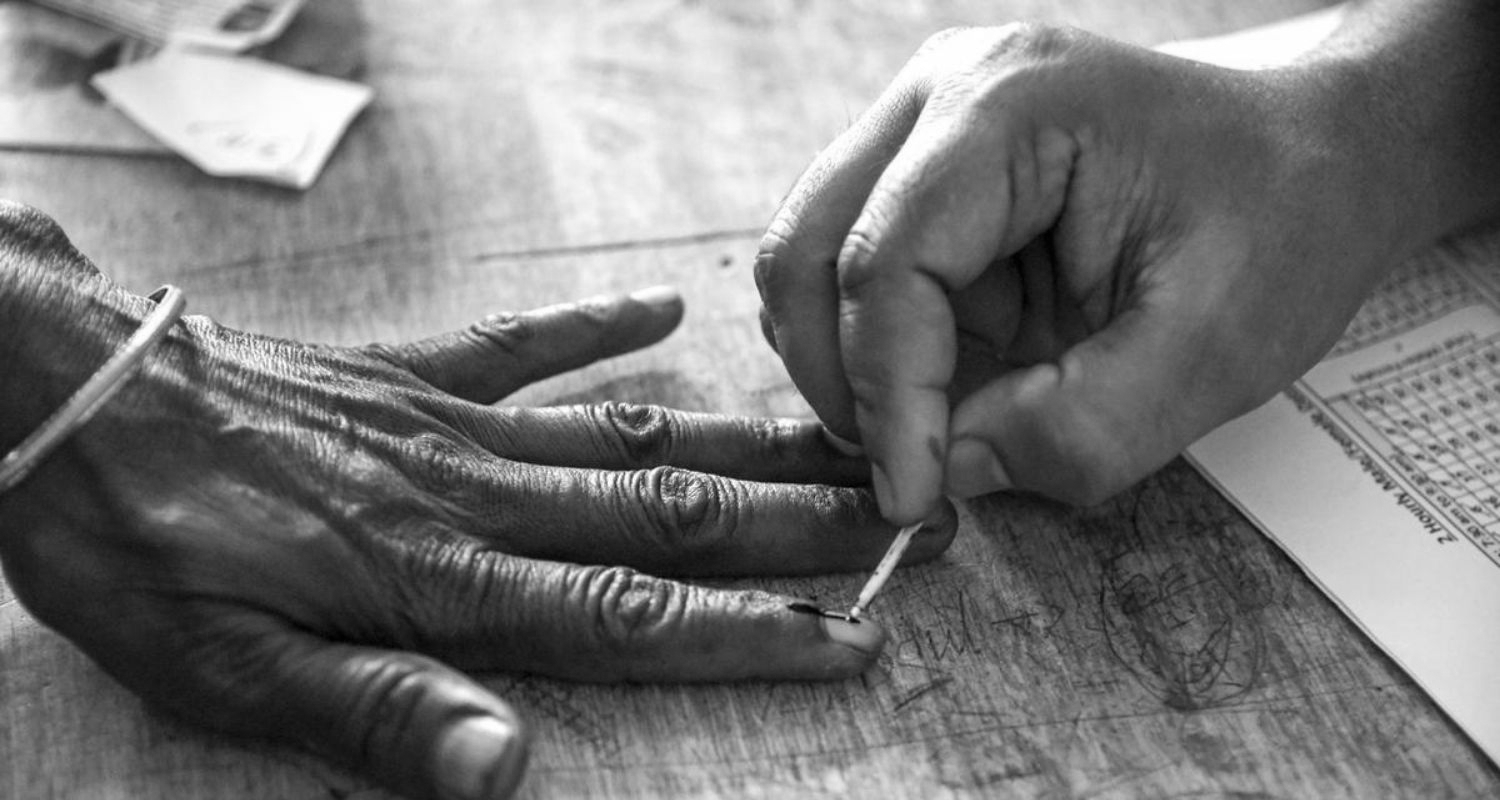
Do you really need documents to vote?
Voting in India has often been associated with a flurry of documents, identity proofs, and endless verification steps. But the reality, especially ahead of the Election Commission’s upcoming Special Intensive Revision (SIR), is far simpler for most voters. According to officials, more than half of the electorate in many states may not need to provide any documents at all. Why? Because they are already listed in the last SIR conducted in their state, and that voter list acts as the official reference point. This means millions of citizens can cast their vote without submitting birth certificates or other supporting proofs.
The SIR, a periodic exercise to update and clean electoral rolls, uses cut-off years depending on the state’s last revision. For example, in Delhi, the last intensive revision was in 2008, while Uttarakhand’s was in 2006. Bihar is using its 2003 voter list as the base. Anyone already listed in these revisions,often around 60% of voters,simply needs to show the relevant portion of the electoral roll when confirming their identity at polling stations. The remaining voters, usually first-time voters or those shifting from outside the state, must submit one of the approved documents proving their date or place of birth. A newly introduced declaration form further simplifies the process, especially for those born between July 1, 1987, and December 2, 2004, asking them to declare their birth details and, in some cases, their parents’ birth details.
While the process sounds straightforward, it has not been free of controversy. Opposition parties have raised concerns that the SIR in states like Bihar could potentially disenfranchise citizens who struggle to produce the necessary documents. The Supreme Court, however, has emphasized that no eligible voter should be left behind, highlighting the delicate balance between verifying identities and safeguarding the fundamental right to vote.
From an analytical perspective, this system reflects both India’s evolving approach to electoral integrity and the challenges of inclusivity in a diverse democracy. On one hand, it allows millions to vote without bureaucratic hurdles, reducing barriers for ordinary citizens. On the other hand, it places the onus on newer or relocated voters to ensure they meet documentation requirements, highlighting the importance of awareness campaigns, efficient state administration, and digital accessibility to voter lists. In short, for a majority, documents are optional,but for some, they remain critical. The SIR is not just an administrative task; it is a test of India’s ability to combine electoral accuracy with democratic fairness.