
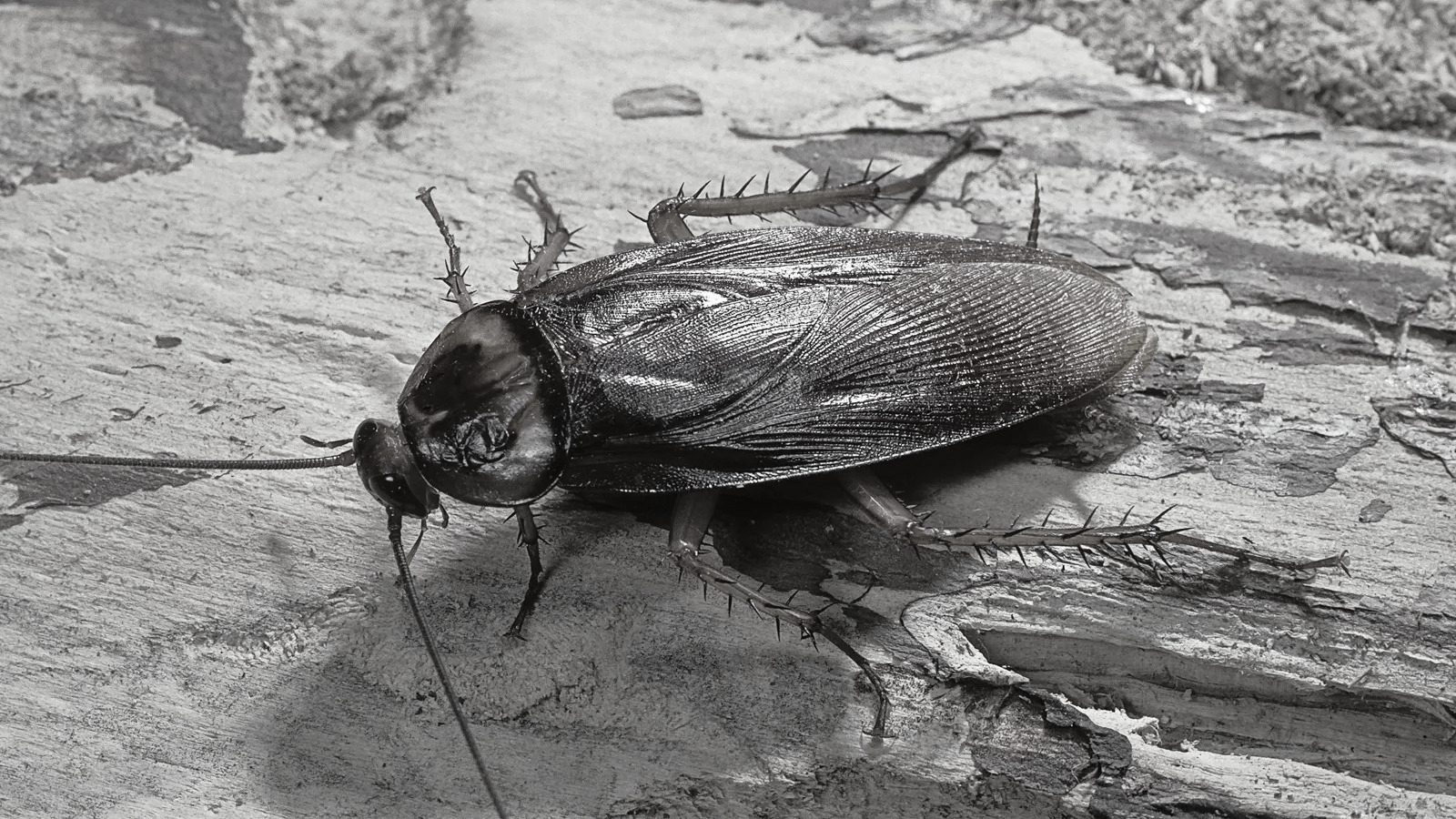
DNA-based discovery puts spotlight on new cockroach species in India
Scientists from the Zoological Survey of India (ZSI) have identified a previously unknown species of cockroach in agricultural regions of the Deccan Peninsula, particularly near Nathachiwadi in Maharashtra’s Pune district. The species, named Neoloboptera peninsularis , derives its name from its presence in Peninsular India.
The discovery is being described as a milestone in Indian taxonomy, marking the first time modern DNA-based techniques have been used in the country to identify a cockroach species. Researchers adopted an integrative taxonomy approach, combining traditional morphological analysis with genetic sequencing to ensure precise classification. The study involved collaboration between ZSI centres in Pune and Chennai, along with scientists from Professor Ramkrishna More Arts, Commerce and Science College in Pune.
ZSI Director Dhriti Banerjee said the finding sets a new benchmark for systematic studies in India, underlining the growing role of advanced scientific tools in biodiversity research.
Scientists noted that Neoloboptera peninsularis differs significantly from commonly known household cockroaches, such as Periplaneta americana and Blattella germanica , which are typically associated with human habitats and considered pests. In contrast, the newly discovered species is found in farm ecosystems and is believed to play a role in natural processes such as decomposition and soil health.
The use of DNA analysis also distinguishes this discovery from earlier classifications, enabling researchers to identify subtle genetic variations that are not visible through physical examination alone.
Prior to this, only two species from the Neoloboptera genus had been recorded in India, in 1865 and 1995. With the addition of N. peninsularis , the total number of documented cockroach species in the country has risen to 190 , accounting for about 3.8 per cent of global diversity.
Experts say the finding underscores India’s rich but still underexplored insect fauna, and highlights the importance of integrating modern scientific techniques in documenting biodiversity.