
DMK against language imposition, not Hindi, clarifies TRB Rajaa
Tamil Nadu Industries Minister T R B Rajaa on Friday clarified that the DMK government has never sought to prevent the use of Hindi in the State and that its stand has consistently been against the imposition of any language , not against linguistic diversity .
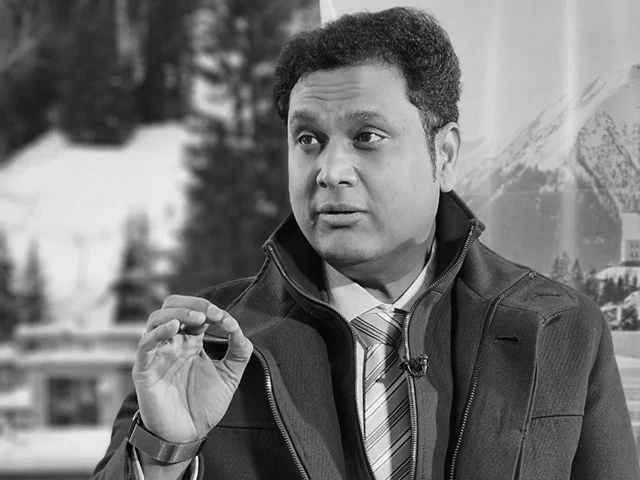
Speaking at the NDTV Tamil Nadu Summit , Rajaa said Tamil Nadu continues to be home to people from across India and abroad, including large Hindi-speaking communities as well as residents from Germany and Japan . He stressed that all linguistic groups have found space and acceptance in the State.
“The government never said it would stop people from speaking in Hindi. That would be wrong. Our only opposition is to forcing any language on people ,” he said, adding that Tamil Nadu has a substantial Hindi-speaking population that lives and works in the State without difficulty.
The minister pointed to the presence of investors from northern and central India as proof that language has never been a barrier to business in Tamil Nadu. He said the State attracts investment because of its infrastructure, skilled workforce, policy stability and ease of doing business , rather than political messaging on language.
“We have many investors from the Hindi-speaking belt and we have no problem with that. What we are reminding everyone is that India has already lost hundreds of languages over time due to linguistic dominance. Every language is vital and deserves protection ,” Rajaa said.
Rajaa’s remarks are being viewed as a clarification or walk back, rather than a policy roll back. The Tamil Nadu government has not introduced any regulation banning Hindi; instead, the statement seeks to counter claims that the DMK administration is hostile to Hindi speakers .
Tamil Nadu has historically followed a two-language policy Tamil and English and has opposed attempts to make a third language compulsory under national education frameworks. State leaders maintain that their resistance is aimed at protecting regional languages and preventing compulsion, not at discouraging voluntary learning or everyday use of Hindi.