
Ditwah: World Bank Approves USD 120 Million Emergency Aid for Sri Lanka
Sri Lanka is gradually transitioning from emergency relief to long-term recovery after Cyclone Ditwah, one of the most devastating weather events to hit the island nation in decades, caused widespread destruction across both urban centres and remote rural communities.
The cyclone formed over the Bay of Bengal on November 26 and made landfall on Sri Lanka’s eastern coast on November 28, triggering torrential rains, flash floods and landslides that continued into early December. The disaster affected all 25 districts of the country, underscoring the national scale of the crisis.
According to official data, at least 644 people were killed and 183 remain missing, while more than 70,000 people are still housed in temporary shelters. Over 6,100 homes were completely destroyed and more than 112,000 suffered partial damage, with roads, bridges, power lines, water systems and public buildings severely impacted.
While flooding inundated parts of Colombo and other major urban centres, the damage was not confined to cities. Rural villages bore the brunt of the disaster as rivers overflowed, hillsides collapsed and agricultural lands were submerged, cutting off entire communities and delaying rescue operations.
Cyclone Ditwah dealt a serious blow to Sri Lanka’s agriculture sector, particularly at a critical stage of the Maha cultivation season. Thousands of hectares of paddy fields were inundated, vegetable crops were washed away, and plantation crops such as tea, rubber and coconut suffered damage from uprooted trees, soil erosion and disrupted transport networks.
Livestock losses, damaged fish ponds and destroyed irrigation systems further compounded the crisis in rural areas, where livelihoods are closely tied to farming and seasonal harvests. Officials estimate that crop losses could run into hundreds of millions of dollars, raising concerns over food security and rural incomes.
In response to the disaster, the Sri Lankan government declared a state of emergency and activated a multi-agency response led by the Disaster Management Centre. Security forces were deployed nationwide to carry out search-and-rescue operations, evacuations and relief distribution in affected regions.
Thousands of safety shelters were opened for displaced families, while mobile medical teams provided emergency healthcare and disease-prevention services. Authorities also prioritised restoring road connectivity, electricity, drinking water and telecommunications to stabilise daily life in affected areas.
As relief operations continue, the government has rolled out a phased reconstruction framework focusing on immediate restoration, medium-term rebuilding and long-term resilience. Damage and needs assessments are being conducted with development partners to guide the reconstruction of roads, bridges, schools, hospitals, irrigation systems and water supply networks.
Officials have emphasised a “build back better” approach, aiming to rebuild infrastructure to higher safety and climate-resilience standards to reduce the impact of future cyclones, floods and landslides.
Sri Lanka’s recovery efforts have received strong international support. The World Bank announced USD 120 million in emergency assistance by repurposing funds from ongoing projects to help restore essential services and infrastructure in the worst-affected areas.
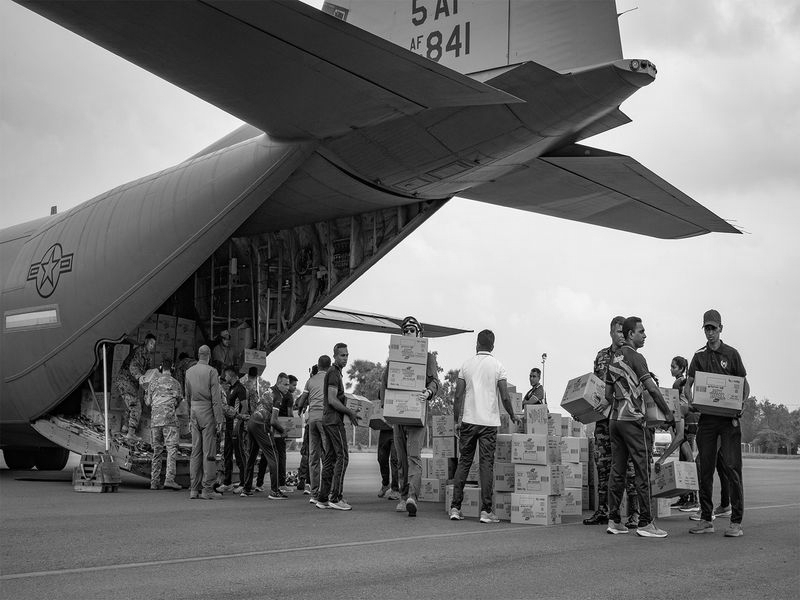
India extended assistance under Operation Sagar Bandhu, delivering humanitarian supplies, essential medicines, food items and engineering support, while Indian military and air assets helped restore connectivity in isolated regions.
The United Nations released USD 4.5 million from its Central Emergency Response Fund and launched an international appeal for USD 35 million, while the UN Population Fund separately announced an USD 8 million appeal to support women and girls affected by the disaster.
The Sri Lankan government has said all international assistance will be channelled through existing public financial systems to ensure coordination, transparency and accountability. Funds will be prioritised for restoring critical infrastructure, rehabilitating health and education facilities, reviving agriculture and supporting housing repairs and livelihoods.
While emergency conditions are easing, officials caution that full recovery will take considerable time. The scale of destruction has highlighted Sri Lanka’s vulnerability to extreme weather events, reinforcing the need for climate-resilient development and sustained international cooperation to rebuild stronger and safer communities.