
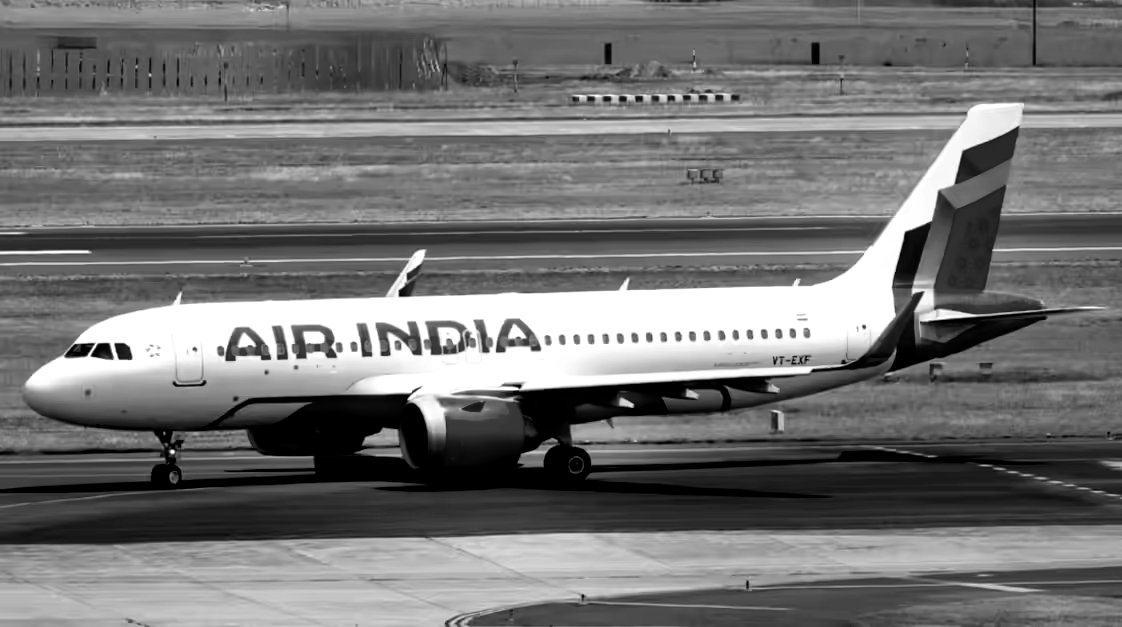
DGCA investigates Air India for operating A320neo without valid airworthiness certificate
The Directorate General of Civil Aviation (DGCA) has launched an investigation into Air India for operating an Airbus A320 neo aircraft on at least eight routes despite the lapse of its Airworthiness Review Certificate (ARC), a mandatory document required for an aircraft to remain in commercial service. The regulator confirmed on Tuesday that the airline personnel responsible for the lapse have been de-rostered until the completion of the probe. Air India had informed the DGCA on November 26 that the aircraft, which was originally part of the erstwhile Vistara fleet, had been released for operations without a valid ARC. The aircraft had been grounded for an engine change, during which its ARC expired, but it was subsequently put back into service on eight revenue sectors.
Following the disclosure, the DGCA ordered the aircraft to be grounded immediately and initiated a detailed investigation to determine how the lapse occurred. Air India has also commenced an internal probe, as directed by the regulator, to identify gaps in its internal systems and implement corrective measures aimed at preventing similar violations in the future. The incident comes at a time when regulatory oversight is already under scrutiny following the merger of Vistara with Air India in November 2024, a transition during which several aircraft were scheduled for their first ARC renewals under DGCA supervision rather than through delegated authority.
An Airworthiness Review Certificate is issued once every twelve months after a comprehensive review of an aircraft’s maintenance records, physical condition, and overall compliance with all airworthiness standards. The DGCA grants or renews an ARC only after verifying that the aircraft’s maintenance history is complete, that no defects remain unaddressed, that all mandatory airworthiness directives have been complied with, and that the aircraft's configuration, weight-and-balance documents, and associated certifications are fully up to date. The ARC serves as a validation of the aircraft’s primary Certificate of Airworthiness. Under established norms, Air India has been delegated the authority to issue ARCs for its fleet, although the DGCA retains responsibility for oversight, monitoring, and random audits to ensure that renewals are being completed accurately and on schedule.
Industry observers have noted that the incident raises questions not only about Air India’s procedural control but also about the DGCA’s own surveillance mechanisms. While the airline failed to renew the ARC on time, the regulator also did not identify the missing renewal in its oversight cycle, despite having taken the decision to personally issue the first ARC renewals for all merged Vistara aircraft. The DGCA stated that it had successfully renewed ARCs for 69 of the 70 Vistara-origin aircraft after confirming satisfactory compliance. However, the aircraft involved in the incident was grounded for an engine change, during which the ARC expired, and the lapse went unnoticed both by the airline’s engineering team and the regulator’s monitoring system.
The DGCA said that the aircraft was released back into service after the engine replacement, even though its certification had lapsed. This has prompted the regulator to examine whether the engineering, maintenance, and operations staff involved had followed the mandated checks before returning the aircraft to flight. The investigation will also assess whether the DGCA’s existing surveillance and tracking mechanisms are sufficiently robust to flag ARCs that are nearing expiry, particularly during fleet transitions and maintenance-related groundings. The regulator is expected to evaluate whether the delegation of ARC issuance authority to airlines requires revision to prevent future oversight gaps.
Air India has stated that it is cooperating fully with the regulatory probe and conducting its own internal review to strengthen procedures and ensure that no aircraft is returned to service without all mandatory certifications. The outcome of the DGCA’s investigation is expected to have broader implications for certification protocols across Indian carriers, especially as the country’s aviation sector undergoes rapid expansion, consolidation, and fleet modernisation.