
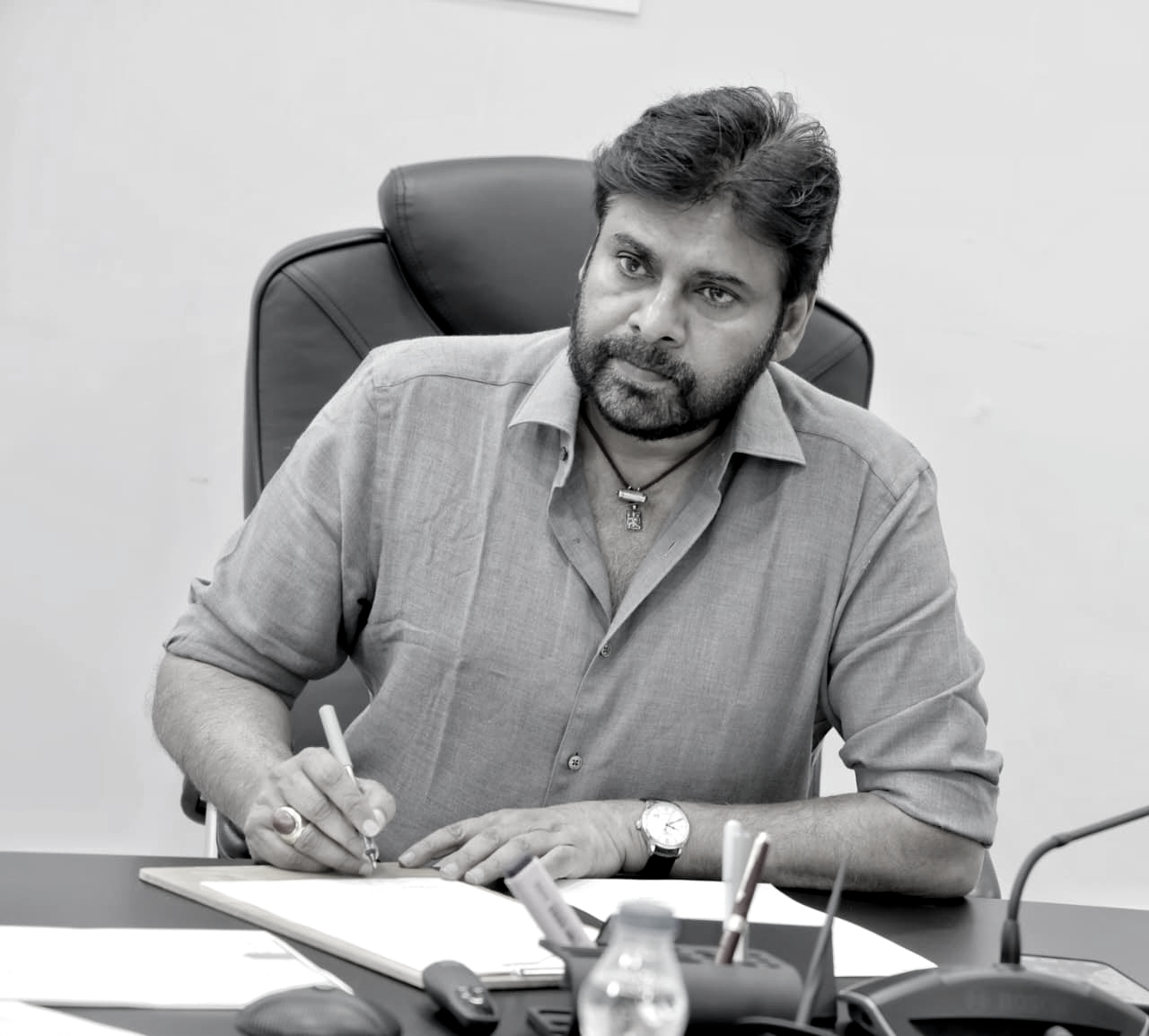
Deputy CM Pawan Kalyan orders advance arrangements for pilgrims in key temples
A statewide inspection of temples across Andhra Pradesh has been ordered by Deputy Chief Minister Pawan Kalyan, following the tragic stampede at the Sri Venkateswara Swamy Temple in Kasibugga, Srikakulam district, which claimed nine lives on November 1, 2025.
The instructions were issued after preliminary reports revealed that the private temple, where the incident occurred, had been built only a few months ago and had not received official permissions. It was found that the temple lacked proper crowd control arrangements and had only a single point serving as both entry and exit, which caused chaos when thousands of devotees gathered for Ekadashi celebrations. A steel railing collapsed during the rush, triggering panic and resulting in the deaths of eight women and a child, while several others were injured.
Immediate relief operations were undertaken by the district administration, and an inquiry was ordered into the causes of the incident. Deputy Chief Minister Pawan Kalyan, who also holds the Endowments portfolio, expressed deep sorrow over the tragedy and directed officials to ensure strict adherence to safety protocols at all temples, including those under private management. It was instructed that structural safety checks, crowd-flow management plans, and emergency response systems be made mandatory before any major religious gathering.
The Kasibugga stampede was the third major temple-related fatal incident reported in Andhra Pradesh this year. Earlier, in January 2025, a stampede at a temporary ticket counter in Tirupati had left six devotees dead and around 40 injured during the distribution of Vaikunta Dwara Darshanam tickets. Another tragic incident occurred in April 2025 at the Simhachalam Temple in Visakhapatnam, where seven people died after a rain-soaked retaining wall collapsed near a crowded queue complex.
Investigations into all three incidents have revealed a pattern of overcrowding, poor infrastructure, and lack of preparedness. Officials have acknowledged that many temples—particularly smaller or privately managed ones—are often operated without sufficient crowd-control measures, medical aid, or designated entry and exit routes.
In the wake of these findings, the State government led by Chief Minister N. Chandrababu Naidu has directed that a comprehensive temple safety audit be carried out across all districts. District collectors, superintendents of police, and Endowments Department officials have been asked to submit reports on structural safety, traffic arrangements, and medical support systems at major temples.
A proposal for a new Temple Safety Standard Code 2025 has also been prepared to regulate large gatherings, particularly during religious festivals. Under this initiative, all temples—whether government-administered or privately managed—will be required to obtain prior approval and demonstrate preparedness through verified safety measures such as CCTV surveillance, barricade checks, and emergency evacuation plans.
Officials have stated that these steps are being taken to prevent the recurrence of tragedies like the Kasibugga stampede, which exposed serious lapses in regulation and crowd management. It was emphasized that public safety must remain the top priority during religious events that attract large numbers of devotees across the State.