
Deputy CM Pawan Kalyan calls for real-time monitoring of Elephant movements
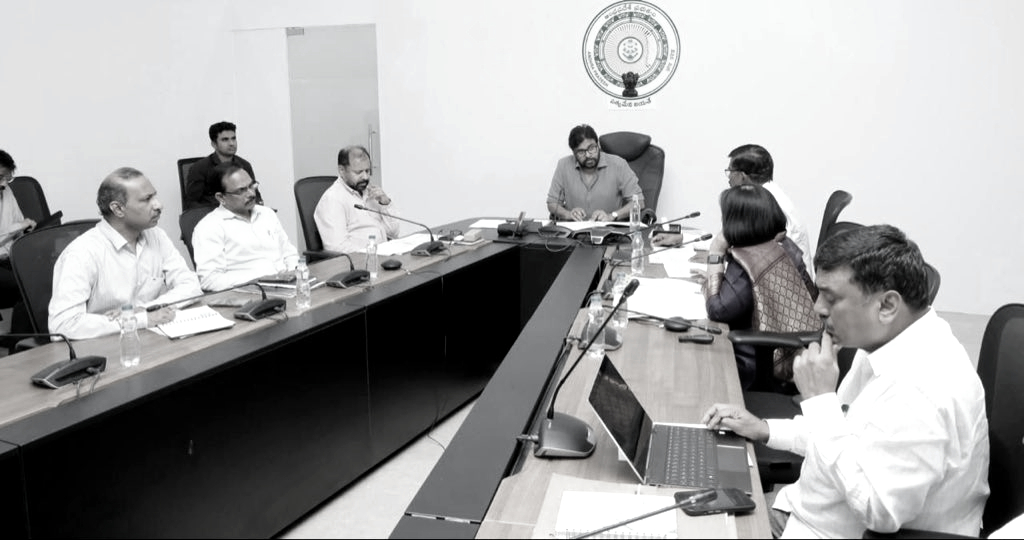
Andhra Pradesh Deputy Chief Minister and Minister for Forest and Environment Pawan Kalyan has instructed the officials to intensify efforts to manage wild elephant movements from Odisha into the border areas of Parvathipuram Manyam district. At the State Wildlife Board Standing Committee meeting held at the camp office in Mangalagiri on Thursday, he instructed officials to prepare detailed reports on crop damage, property loss, and human casualties caused by elephant incursions and emphasized the need for continuous monitoring and preventive measures.
“Farmers in Manyam are facing severe difficulties due to two groups of elephants entering from Odisha, destroying crops, and posing risks to human life,” the Deputy Chief Minister said. “It is essential to track these herds regularly and, based on timely field reports, redirect them safely back into forests. Coordination with the Odisha government may also be required to ensure that cross-border movements are managed effectively without harming the animals.”
Human-Elephant conflicts on the rise
Human-elephant conflicts have been increasing across Andhra Pradesh due to habitat loss, crop-foraging behavior, and changes in migratory patterns from neighboring states like Odisha, Tamil Nadu, and Karnataka. According to official reports:
• Chittoor District (2013–2024): At least 26 people, including several farmers, were killed while keeping night watch over their crops.
• Tirupati District:
• April 2025: 72-year-old farmer trampled in Chinnagottigallu mandal
• May 2024: Farm worker trampled in a mango orchard in Thavanampalle mandal
• June 2024: Farmer killed in Ramakuppam mandal
• Parvathipuram-Manyam District:
• October 2024: 74-year-old farmer trampled in Seetanagaram mandal
• August 2024: 62-year-old man trampled near a banana plantation in Komarada
These incidents highlight the urgent need for preventive action, particularly in border districts where elephants enter from Odisha.
Monitoring and preventive measures
The state is implementing a multi-pronged strategy to manage human-elephant conflicts, combining technology, community participation, and ecological interventions:
• Technological Surveillance: GPS collars on matriarch and key male elephants, drones, infrared cameras, and AI-based detection systems provide real-time alerts to forest officials and villagers. Kerala’s Amrita Elephant Watch Alert system serves as a model for AI-based tracking.
• Community-Based Monitoring: Local villagers are trained as “Elephant Response Teams” or “Haathi Mitra Dal” to track herds, alert residents, and help drive elephants away safely. In Manyam, SMS alerts inform farmers of approaching herds.
• Physical and Bio-Barriers: Elephant-proof trenches, solar fences, beehive fences, and planting repellent crops such as chili, lemongrass, and bitter gourd around farms act as deterrents.
• Rapid Response Teams: Anti-depredation squads respond to incidents to safely drive elephants back into forests and coordinate with local authorities for crowd management.
• Inter-State Coordination: Since elephants often cross state borders, the Andhra Pradesh Forest Department coordinates with Odisha, Tamil Nadu, and Karnataka to ensure herd management and protection of migration corridors.
Long-Term ecological solutions
• Habitat Restoration: Expanding forests and restoring natural corridors help elephants access water and food without entering agricultural areas.
• Secure Migration Corridors: Protecting traditional elephant pathways, including purchasing private lands along corridors when necessary.
• Enrichment Activities: Artificial water sources and fodder trees within forests can help keep elephants within their natural habitat.
• Awareness and Education: Farmers receive training on elephant behavior, safety protocols, and non-lethal deterrence methods.
• Agricultural Practices: Planting buffer crops and switching to crops unpalatable to elephants reduce the risk of crop raids.
Deputy Chief Minister Pawan Kalyan emphasized that these combined strategies safeguard both human communities and elephant populations, ensuring ecological balance and the safety of farmers.
Other Key agendas at the Wildlife board meeting
The meeting also focused on forest land acquisition for infrastructure projects:
• NH-67 (Badvel–Nellore): 34.67 hectares within an eco-sensitive zone proposed for transfer.
• Bangalore–Kadapa–Vijayawada Express Corridor: 40.86 hectares from Nagarjuna Sagar Tiger Reserve and Sri Venkateswara National Park for construction, requiring approvals from the National Tiger Conservation Authority and Wildlife India.
• Proposals will be presented at the National Wildlife Board Standing Committee meeting on October 29, chaired by Prime Minister Narendra Modi.
Additionally, a proposal to designate the rare Tirumala Limenitis Blue Tiger butterfly as Andhra Pradesh’s state butterfly was discussed, highlighting the state’s focus on biodiversity conservation.
Officials present included higher officials from different departments who were in the meeting.
With rising human-elephant conflicts in North Andhra, the state government is balancing conservation priorities with farmer safety. By combining technology, community involvement, habitat restoration, and inter-state coordination, Andhra Pradesh aims to minimize crop damage, prevent human fatalities, and maintain ecological harmony, reflecting a scientifically informed, humane, and sustainable approach to wildlife management.