
Denmark Imposes drone ban ahead of EU summit
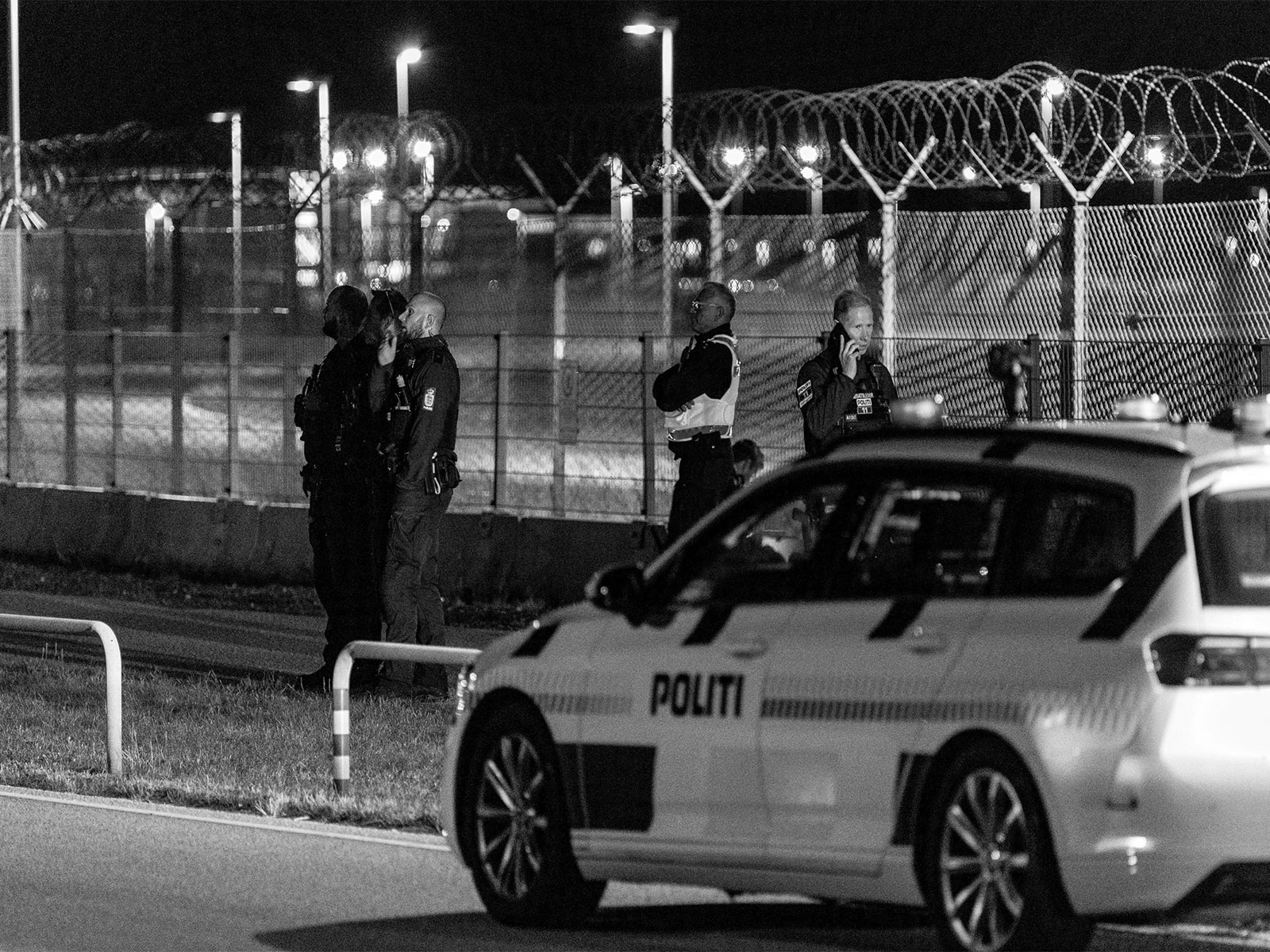
Denmark has heightened security across its military and civilian sectors after fresh reports of drone activity over sensitive sites, days before European Union leaders gather in Copenhagen for a crucial summit. The unexplained incidents, coupled with wider geopolitical tensions, have prompted NATO to strengthen surveillance in the Baltic Sea region under its “Baltic Sentry” initiative.
The Danish Defence Ministry confirmed on Sunday that multiple drones had been observed at armed forces’ locations overnight. While specific numbers and locations were withheld for operational security, the ministry said “several capacities” had been deployed in response. This latest development follows a week marked by sightings of unidentified drones near Danish airports and military bases, sparking concern over airspace security in northern Europe. Authorities have recorded hundreds of civilian reports of possible drones, though not all have been verified.
NATO response and allied support
On Saturday, NATO officials meeting in Riga, Latvia, announced enhanced vigilance measures across the Baltic. Alliance spokesperson Col. Martin O’Donnell said new “multi-domain assets” including ships, aircraft, and electronic surveillance will be deployed in the region, with Denmark central to the effort. “We are in constant contact with Danish officials following these incidents,” O’Donnell said.
Backing Denmark directly, Germany dispatched its air-defence frigate Hamburg to Copenhagen and agreed to provide counter-small unmanned aircraft systems (C-sUAS) technology, which uses radar, optics, and acoustic detection. Sweden also pledged to lend military anti-drone capabilities, details of which have not been disclosed.
Civilian drone ban during EU summit
In a separate move, Denmark’s Transport Ministry announced a temporary ban on all civilian drone flights from Monday through Friday. The prohibition, coinciding with the EU summit, is intended to “remove the risk that enemy drones can be confused with legal drones and vice versa,” Transport Minister Thomas Danielsen said. Exemptions will apply to military, police, emergency, and health-related drones. Violators face fines or imprisonment for up to two years.
Domestic debate and security measures
Justice Minister Peter Hummelgaard described the recent flyovers as deliberate attempts to “sow fear and division.” He added that Denmark is exploring additional counter-measures, including legal frameworks to allow infrastructure operators to neutralize hostile drones. Public concern remains high, with authorities urging citizens to continue reporting unusual activity. Officials have stressed that public vigilance is critical, given the difficulty in distinguishing between recreational drones and potentially hostile devices.
Attribution and regional tensions
While investigators have not identified the source of the drones, Danish Prime Minister Mette Frederiksen and NATO Secretary-General Jens Stoltenberg last week said Russian involvement could not be ruled out. The Russian Embassy in Copenhagen strongly denied the accusations.
Regional rhetoric has escalated in recent days. Belarusian President Alexander Lukashenko warned that any attempt by NATO to shoot down Russian or Belarusian aircraft would trigger an “immediate response.” At the UN General Assembly, Russian Foreign Minister Sergey Lavrov reiterated that Moscow does not intend to attack Europe, but vowed a “decisive response” to any perceived aggression.
As Copenhagen prepares to host EU leaders, the drone incidents highlight the growing challenge of defending European airspace against emerging threats. For Denmark, the situation underscores both its strategic vulnerability in the Baltic and its reliance on NATO allies to deter hostile actions. With NATO bolstering its eastern flank and Denmark tightening domestic security, the coming week is expected to test the country’s preparedness in the face of unconventional, and still unexplained, provocations.