
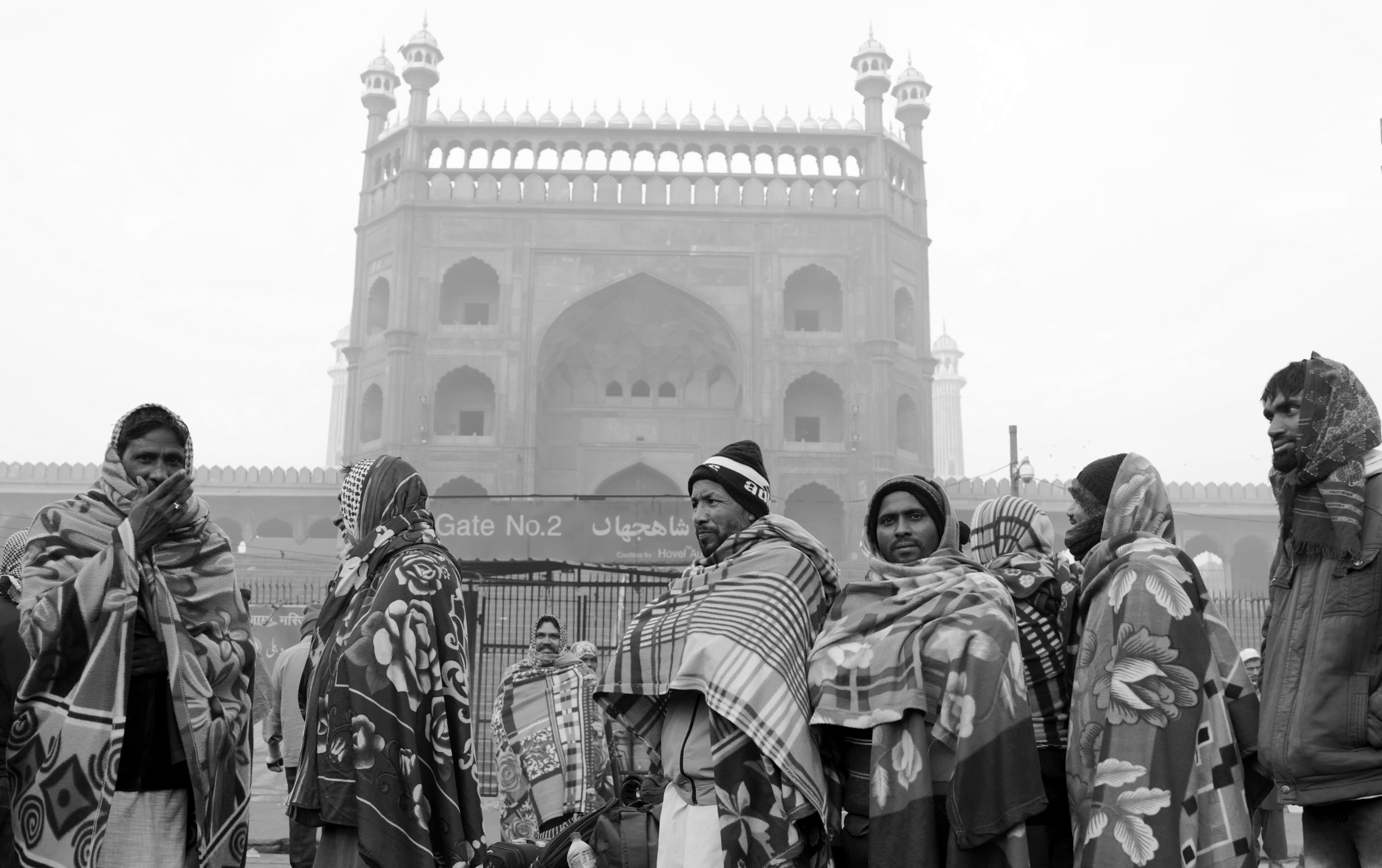
Delhi records coldest January morning in three years as cold wave raises health concerns
Delhi on Tuesday recorded its coldest January morning in three years as the minimum temperature dropped to 3 degrees Celsius, significantly below the seasonal average, the India Meteorological Department (IMD) said.
Safdarjung, the city’s primary observatory, logged a minimum temperature of 3°C, which was 4.4 degrees below normal. Palam recorded 4°C (3.3 degrees below normal), Lodhi Road 3°C (three degrees below normal), The Ridge 4.4°C (3.7 degrees below normal) and Ayanagar 3.2°C (3.9 degrees below normal), IMD data showed.
According to the weather department, Delhi had last experienced a colder January morning on January 16, 2023, when the minimum temperature dipped to 1.4 degrees Celsius. Cold wave conditions are declared when minimum temperatures fall between 4.5 and 6.4 degrees below normal.
The IMD said cold wave conditions are likely to persist over the national capital on Wednesday as well, while the maximum temperature during the day is expected to hover around 20 degrees Celsius.
Prolonged cold conditions can pose serious health risks, particularly to elderly people, children, and those with respiratory or cardiac ailments. Exposure to extreme cold increases the risk of hypothermia, frostbite, respiratory infections, and aggravation of chronic illnesses, doctors warn. The cold weather can also affect homeless populations and daily wage workers who remain exposed for long hours. Additionally, persistent cold can intensify high‑pressure conditions, trap pollutants near the ground, and worsen air quality, potentially causing respiratory problems and exacerbating conditions such as asthma and bronchitis.
Meanwhile, Delhi’s air quality slipped into the ‘very poor’ category, with the Air Quality Index (AQI) recorded at 337, according to Central Pollution Control Board (CPCB) data. As many as 29 monitoring stations reported ‘very poor’ air quality, while one station, Anand Vihar, recorded ‘severe’ pollution with an AQI of 411.
Meteorologists said calm winds and low temperatures during winter prevent the dispersion of pollutants, leading to a build-up of particulate matter and worsening air quality.