
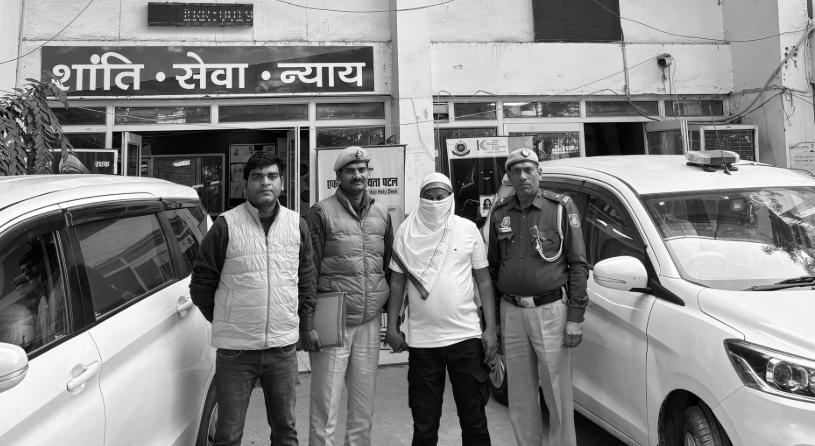
Delhi man arrested after firing over parking dispute, rising parking violence raises alarm
A seemingly trivial quarrel over car parking in northeast Delhi’s Seelampur escalated into gunfire early Saturday, highlighting a growing problem in the city. Md Sahid, 38, allegedly fired outside his home following an argument with his brother over parking. Fortunately, no one was injured, but the incident underscores a worrying trend of parking-related violence in Delhi.
Parking conflicts are increasingly erupting into physical confrontations, sometimes leading to serious injury or death. In 2025 alone, Delhi police received over 7,000 complaints related to parking disputes, nearly doubling the figures from the previous year. At least three deaths have been linked to such conflicts, reflecting an alarming rise in violence stemming from urban congestion and scarce parking spaces.
For everyday residents, the problem is more than inconvenience. Footpaths and pedestrian areas are frequently blocked by illegally parked vehicles, forcing citizens onto busy roads and heightening risks of accidents. Neighbours often clash over street space, with minor disagreements escalating into threats, harassment, or even physical attacks.
Delhi is not alone in facing this crisis. Cities like Gurugram, Mohali, and other fast-growing urban centres have reported similar incidents, with fatalities recorded over parking disputes. The combination of rising vehicle ownership, inadequate parking infrastructure, and aggressive behaviour is turning a civic necessity into a flashpoint for violence.
Experts say the solution lies in a multi-pronged approach: expanding public and community parking, regulating vehicle registration to ensure availability, promoting shared parking, and establishing local grievance mechanisms to resolve disputes before they escalate.
The Seelampur incident is a stark reminder that parking is no longer a minor civic issue, it has become a matter of public safety, urban planning, and social harmony. Without systemic reforms, Delhi and other rapidly urbanising cities risk more such tragedies in the future.