
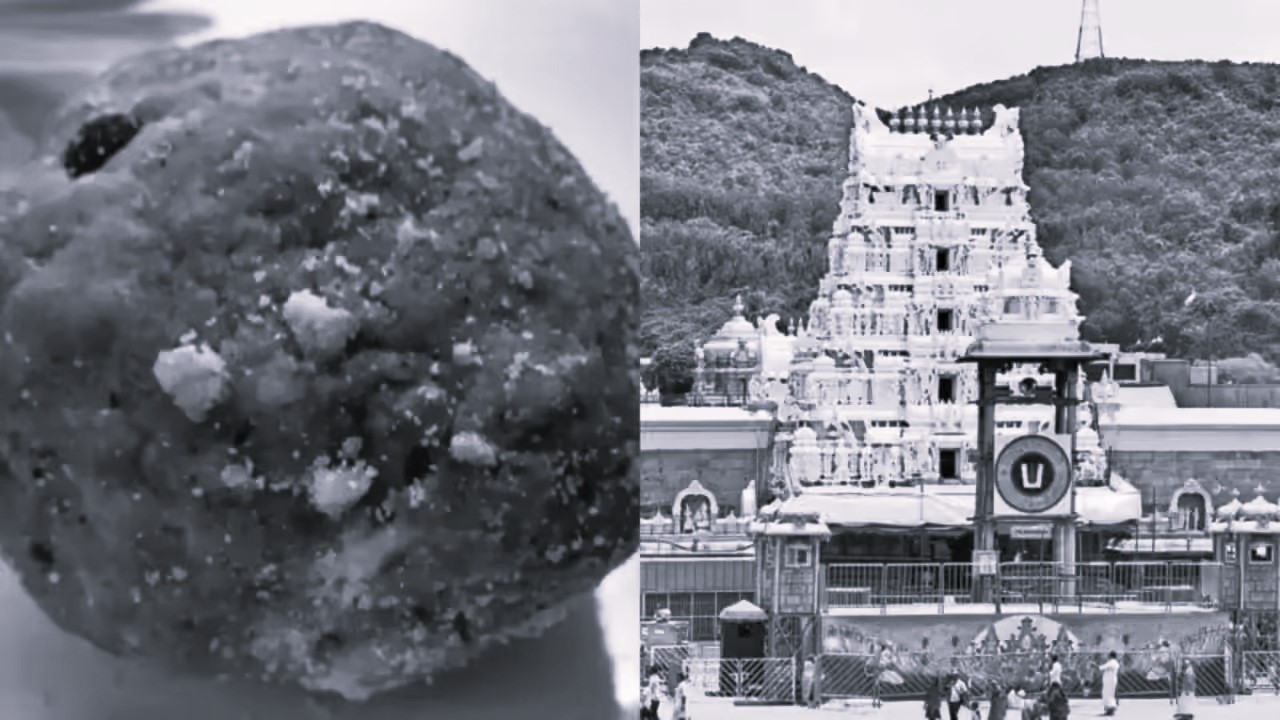
Delhi High Court rejects plea to stay reports on Tirumala Laddu controversy
The Delhi High Court has refused to immediately halt news reports claiming that substandard ghee was used in the preparation of the famous Tirumala Tirupati laddu. The petition seeking a stay was filed by former TTD chairman Y.V. Subba Reddy. The court said it cannot stop the publication of these reports at this stage and will decide on the matter only after hearing all parties.
Subba Reddy, who served as TTD chairman during the Y.S. Jagan Mohan Reddy government between June 2019 and August 2023, argued that the allegations were hurting devotees’ sentiments and spreading false information that could tarnish the sanctity of the Tirumala temple.
However, Justice Amit Bansal, who heard the petition, ruled on December 23 that interim injunctions cannot be granted without giving the other side a chance to present their arguments, except in extremely urgent and rare situations. The court stressed that the respondents must have an opportunity to defend themselves before any legal restrictions can be imposed.
The court also warned that any new reports or social media posts related to the controversy would be closely monitored. If these are found to be objectionable, the publishers could face legal consequences. Subba Reddy’s lawyer, senior advocate Dayan Krishnan, pointed out that the matter is already under consideration in the Supreme Court and that such reports during ongoing proceedings were inappropriate.
The controversy dates back to allegations made by former Andhra Pradesh Chief Minister N. Chandrababu Naidu, claiming that ghee containing animal fat was used in the preparation of Tirumala laddus. The Telugu Desam Party had cited lab reports to support these claims, which the ruling YSR Congress Party dismissed as politically motivated misinformation.
The Delhi High Court has now adjourned further hearings on the petition to January 29, 2026. Until then, no interim order will be in place to stop reporting on the issue, keeping the debate alive in public discourse.