
Delhi HC set to decide IndiGo refunds, support rules on Dec 10
The IndiGo flight crisis, now entering its seventh day, has left lakhs of passengers stranded and disrupted travel plans nationwide, with over 562 flights cancelled from six metro airports on Monday, sources said. Bengaluru accounted for 150 cancellations alone, with 74 departures and 76 arrivals grounded. Delhi saw 83 departures and 60 arrivals cancelled, while Mumbai and Hyderabad reported 98 and 112 cancellations respectively. Chennai had 56 cancellations, and Kolkata only two. Sources noted that the total cancellations exceeded government projections, which had estimated 500 flights would be cancelled.
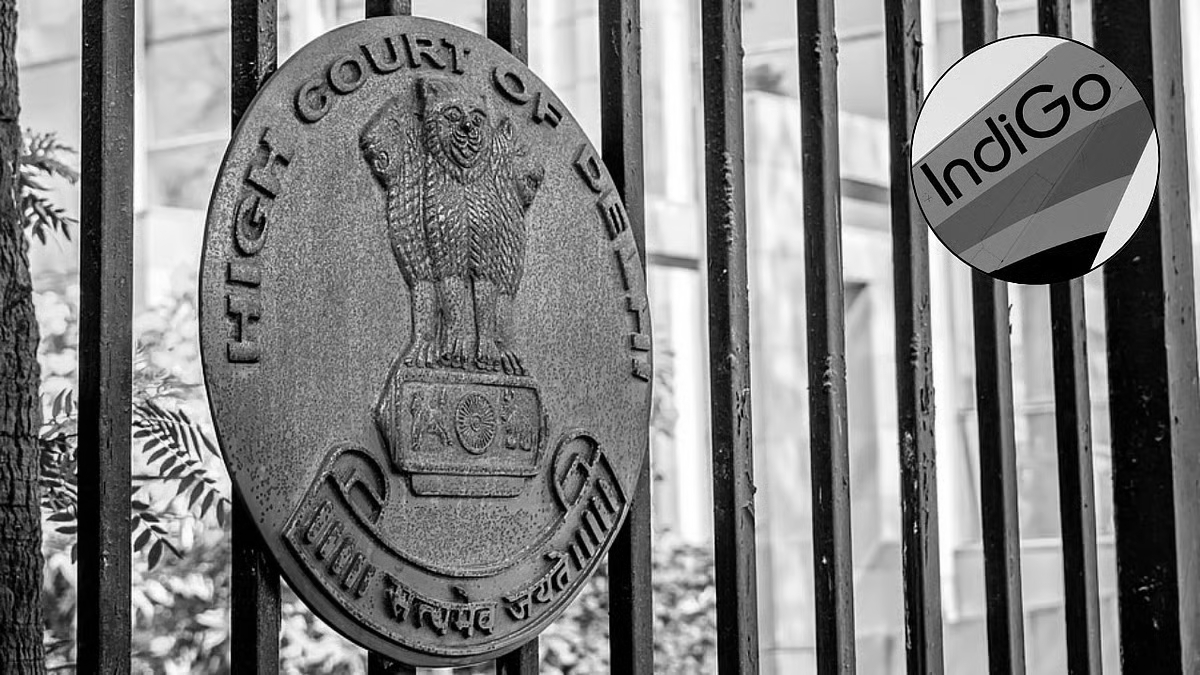
In the latest development, the Delhi High Court (DHC) said the public interest litigation (PIL) concerning the crisis will be listed for hearing on Wednesday, December 10. The PIL seeks directions for the Centre and airlines to provide immediate support, refunds, and structured protections to affected passengers, citing “inhumane” airport conditions and systemic operational failures.
On Monday, IndiGo cancelled over 250 flights specifically from Delhi and Bengaluru airports. At Delhi airport, 134 flights were cancelled 75 departures and 59 arrivals while Bengaluru accounted for 117 cancellations 65 arrivals and 62 departures . The airline, partially owned by Rahul Bhatia, has faced intense criticism for hundreds of flight cancellations since December 2, which stranded lakhs of travellers nationwide.
In a related development, aviation safety regulator DGCA extended the deadline for IndiGo CEO Pieter Elbers and Chief Operating Officer and Accountable Manager Isidro Porqueras to respond to its show-cause notice until 6 pm Monday. The notice, initially issued on Saturday, highlighted significant lapses in planning, oversight, and resource management and required replies within 24 hours.
The disruptions stem from new flight duty and time limitation (FDTL) norms for pilots, introduced in two phases July 1 and November 1 affecting all domestic carriers. The latest norms increased weekly rest periods to 48 hours, extended night duty hours, and limited the number of night landings to two, down from six. Initially opposed by IndiGo and Air India, the DGCA implemented the norms following Delhi High Court directives, albeit with a delay of over a year and with certain variations for specific airlines. IndiGo has temporarily secured relaxations in the second-phase norms until February 10 to stabilise operations.
Passengers stranded at airports reported long waits, minimal access to food or seating, and poor communication regarding cancellations. For the first three days of the crisis, IndiGo did not publicly acknowledge the scale of the disruption. It was only on Friday, when 1,600 flights were cancelled, a record in Indian aviation history, that CEO Pieter Elbers released a video apologising for the inconvenience, without specifying the exact number of cancellations for that day.
The Delhi High Court hearing could potentially set binding guidelines for airlines on refunds, rebooking, and passenger support during mass disruptions, while also prompting regulatory oversight to prevent similar crises in the future.
The unfolding IndiGo crisis highlights the challenges of balancing regulatory compliance, operational planning, and passenger welfare, with millions of travellers awaiting resolution.