
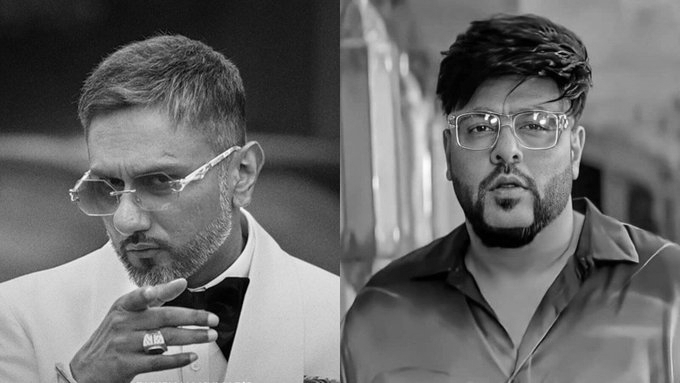
Delhi HC directs removal of 'vulgar', 'derogatory' song by Honey Singh, Badshah
The Delhi High Court on Thursday ordered the removal of a controversial song titled “Volume 1” , allegedly linked to rappers Yo Yo Honey Singh and Badshah , observing that its lyrics were grossly vulgar, obscene and derogatory towards women .
Hearing a petition filed by Hindu Shakti Dal , Justice Purushaindra Kumar Kaurav said the court’s conscience was shaken after listening to the track and that its content could not be justified under the guise of artistic freedom. The judge noted that the lyrics lacked any meaningful artistic or social value and instead reduced women to objects of ridicule.
The song, released in the mid-2000s under the duo’s early music collective Mafia Mundeer , has resurfaced online in recent years and accumulated millions of views across social media and streaming platforms .
In its order, the court said allowing the song to remain available on platforms accessible to minors was unacceptable in a society governed by the rule of law. The bench directed the artists and any person claiming rights to the track or its remixed or alternate versions to immediately remove it from online platforms and social media.
The court also asked the central government to issue appropriate directions for taking down additional URLs of the song identified by the petitioner.
According to the petition, the track was originally released as an “underground” song around 2006–2007 and contains lyrics that allegedly insult women and promote violent or degrading attitudes toward them. The plea argued that because the artists enjoy a large fan following , they should take responsibility and issue a public apology.
During the hearing, the petitioner’s counsel said that although both artists have previously denied singing the track, Honey Singh had reportedly performed parts of the song at a concert in Delhi , which revived the controversy over its authorship.
The petition also sought directions for removing the track from platforms such as YouTube and Spotify . The case has been listed for further hearing on May 7 .
The order has also reignited debate about the accountability of artists and digital platforms in hosting content that may be offensive or harmful, particularly when such material remains accessible to younger audiences years after its original release.